South Florida storms hit hard. If you own a home here, getting a free MSFH wind mitigation inspection is your smartest move. It unlocks up to $10,000 in matching state grant funds. The Florida Department of Financial Services runs the My Safe Florida Home (MSFH) program to help homeowners harden their properties against hurricanes. Get the inspection. Find your weak points. Then, hire a licensed roofing contractor to handle the heavy lifting. A proper hurricane upgrade slashes your insurance premiums and brings your property in line with rigorous Florida building codes.
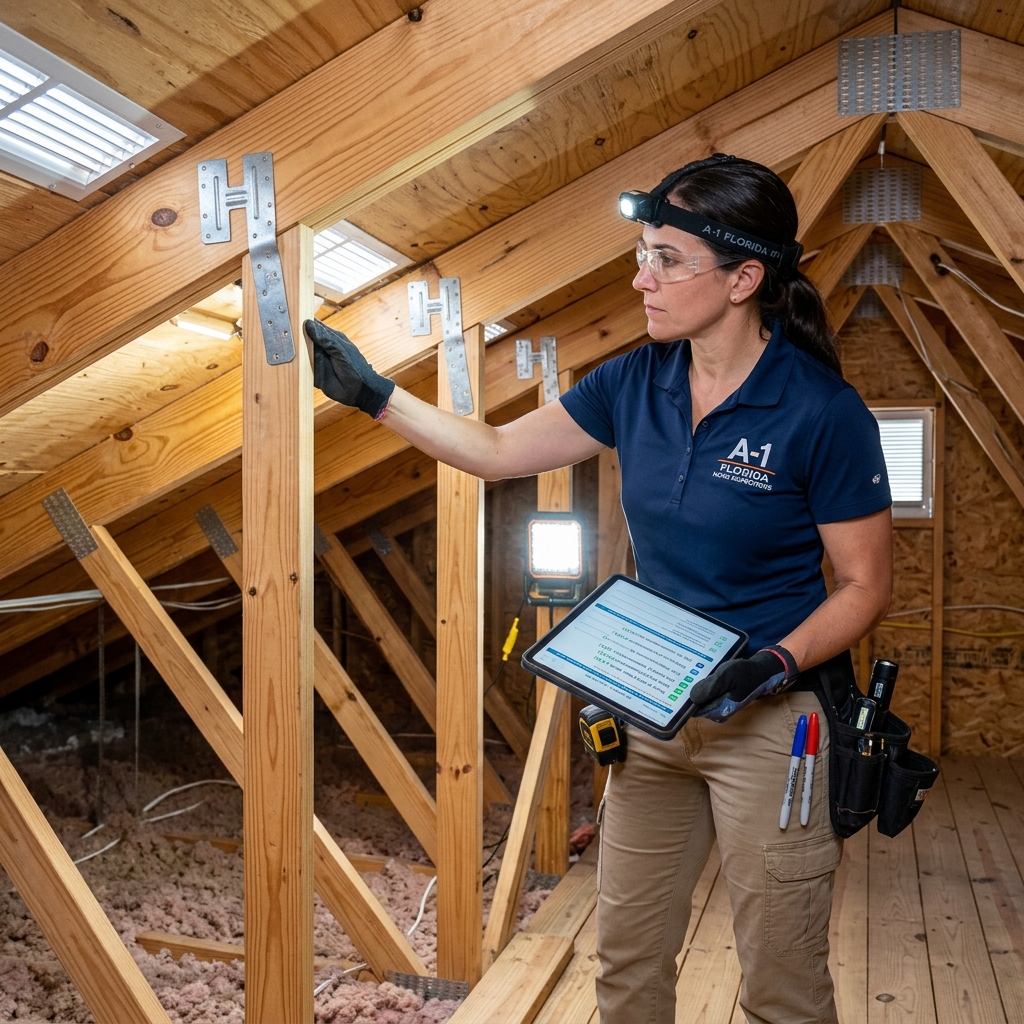
Think of the MSFH wind mitigation inspection as a stress test for your roof. A state-certified inspector will climb into your attic and check your deck attachments, underlayment, and nail spacing. They want to know exactly what happens when 130-mph winds hit your house. You need this report to tap into the state's 2-to-1 matching grant.
Table of Contents
- Eligibility for the My Safe Florida Home Program
- Step-by-Step Application Process
- What the Wind Mitigation Inspection Evaluates
- Selecting a Contractor and Starting Construction
- Inspection and Grant Process Summary Table
- Frequently Asked Questions
Eligibility for the My Safe Florida Home Program
You have to meet the state's rules to get the cash. Your property must be a single-family detached home or townhouse holding an active Florida Homestead Exemption. Usually, the insured value caps at $700,000. But if you live in high-velocity hurricane zones (HVHZ) like Broward or Palm Beach counties, the limit bumps up to $800,000. Finally, your house needs to predate the strict 2002 building code updates.
Step-by-Step Application Process
Follow the process exactly. Skipping steps means losing out on grant money.
1. Submit Your Online Application
Start by booking your MSFH wind mitigation inspection through the program portal. The online form is straightforward. You verify your ownership, property value, and homestead status. Upload your tax bill or property appraiser record to prove your home's value falls under the cap.
2. Coordinate the Free Inspection
Once approved, the state sends an inspector to perform the MSFH wind mitigation inspection. You don't pay a dime. The inspector will check your exterior and crawl into the attic to evaluate your truss connections and underlayment.
What the Wind Mitigation Inspection Evaluates
The physical assessment pulls no punches. The MSFH wind mitigation inspection digs into your roof's age and structural grip. Inspectors check whether your trusses attach to the wall plates with clips, straps, or weak toenails. They measure deck nail spacing. They also check for a secondary water barrier—your last line of defense if shingles blow off into the neighbor's yard.
You get a detailed wind-resistance rating at the end. This MSFH wind mitigation inspection report shows exactly where your roof falls short. It lays out a roadmap for upgrades, telling you whether you need better truss attachments or a new water barrier.
Selecting a Contractor and Starting Construction
Hand that MSFH wind mitigation inspection report to a pro. You need an accurate quote for code-compliant retrofits. Do not hire a handyman for this. A registered, licensed roofing contractor knows how to install approved materials, like hurricane-resistant standing seam metal roofing. They ensure every nail and strap meets strict Florida building codes so your roof stays put during the next Category 4 strike.
Pre-Construction Grant Approval
Listen closely. Completing the MSFH wind mitigation inspection is mandatory before you touch a hammer. You cannot start construction or sign a contract until the My Safe Florida Home program officially approves your grant. Jump the gun, and you forfeit every cent of the state's money.
Unlocking Insurance Discounts and Final Steps
A massive roof upgrade following your MSFH wind mitigation inspection secures your property. It also forces insurance companies to drop your premiums. The contractor you hire must be registered with the program. Once they finish the job, they hand over the final invoice and signed building permits.
The state isn't taking your word for it. They will send an inspector for a final verification to confirm the wind-resistance upgrades are real. They check the newly installed materials. They verify the roof deck and truss connections. Once you pass, the program cuts your reimbursement check.
Inspection and Grant Process Summary Table
Here is how the timeline and costs break down:
| Step | Process Description | Average Timeline | Homeowner Cost |
|---|---|---|---|
| 1. Application | Submit proof of homestead exemption and home value online. | 1 – 2 Weeks | Free |
| 2. Initial Inspection | Free MSFH wind mitigation inspection is scheduled and completed by a state-assigned inspector. | 2 – 4 Weeks | Free |
| 3. Contractor Quotes | Obtain 2+ quotes from a licensed roofing contractor. | 1 – 2 Weeks | Free |
| 4. Grant Approval | Receive formal approval from the state to begin retrofits. | 2 – 3 Weeks | Free |
| 5. Construction | Perform hurricane upgrade (e.g., roof replacement). | 1 – 2 Weeks | Out-of-pocket (reimbursable) |
| 6. Final Verification | State performs final verification inspection to release funds. | 2 – 4 Weeks | Free |
Frequently Asked Questions
How do I apply for the MSFH wind mitigation inspection?
Log onto the official My Safe Florida Home website. Submit your proof of residency, home value, and homestead exemption.
Is the MSFH wind mitigation inspection free?
Yes. The state covers the entire cost of the initial inspection for eligible single-family homeowners.
What are the benefits of the wind mitigation report?
The report pinpoints your structural flaws and lists recommended upgrades. This qualifies you for up to $10,000 in matching grants and deep insurance discounts.
Related Services and Local Coverage
Whether you need an honest inspection, an emergency patch, or a total roof replacement, our crew handles it. Check out our residential roofing services and commercial roofing capabilities.
Diversified Roofing Solutions serves property owners all across South Florida. See our service areas in Palm Beach County, Martin County, Broward County, and St. Lucie County.