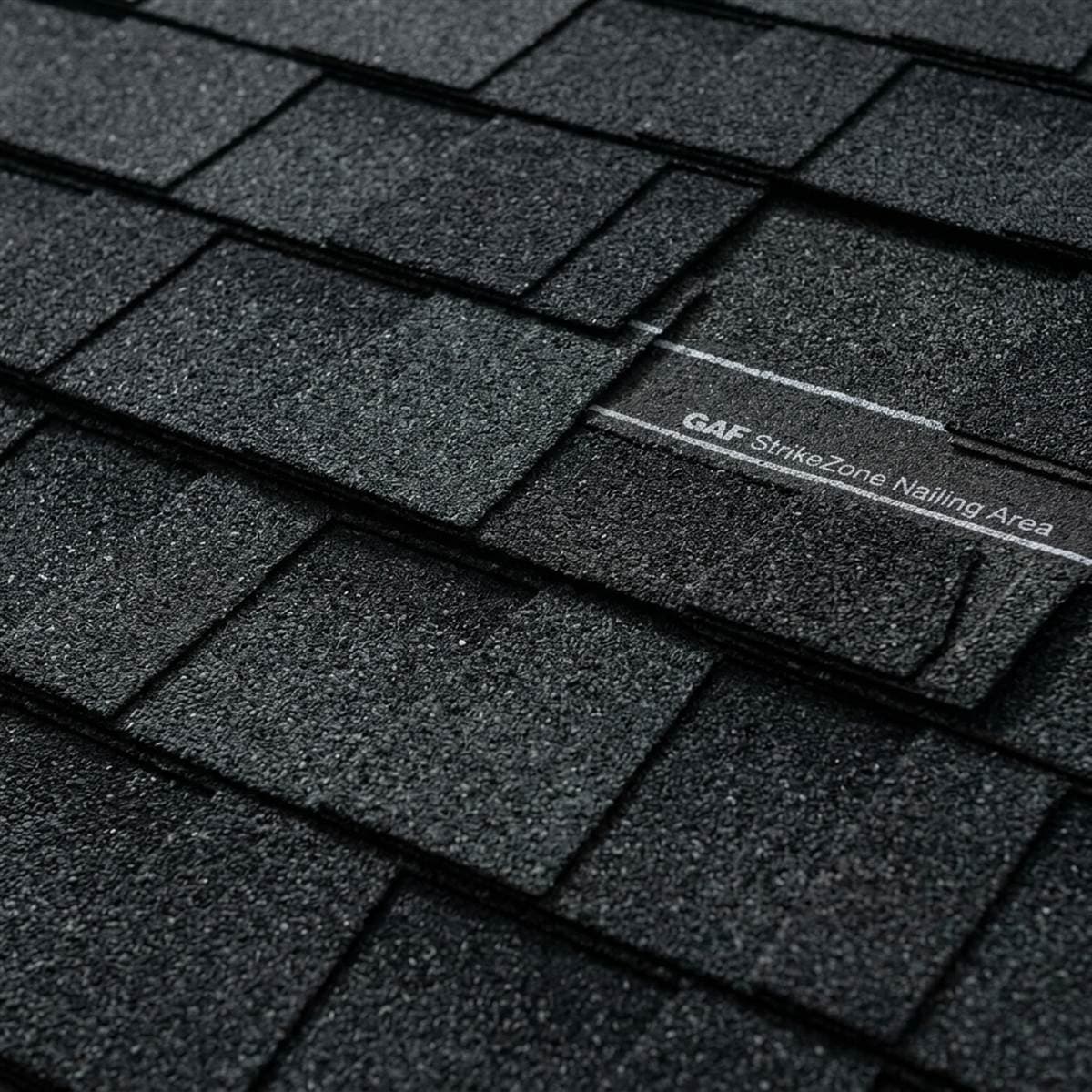
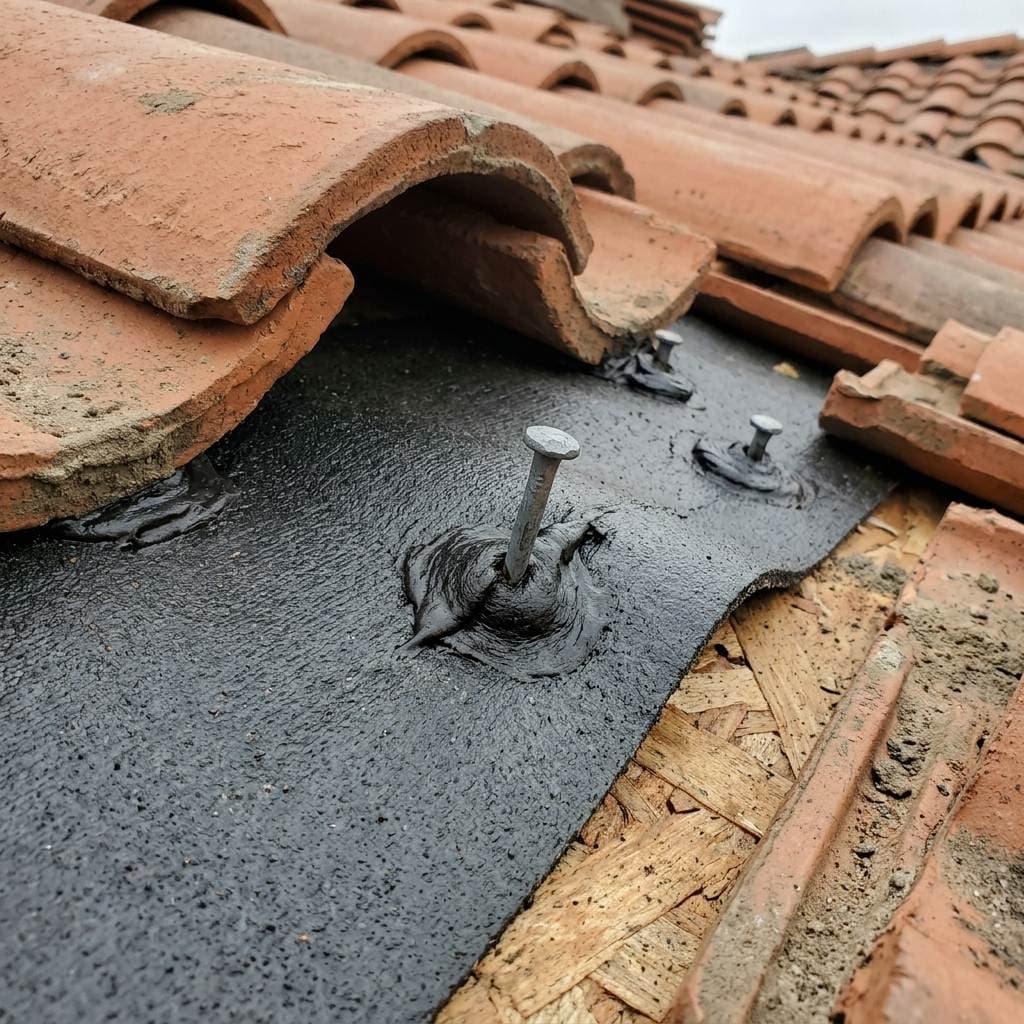
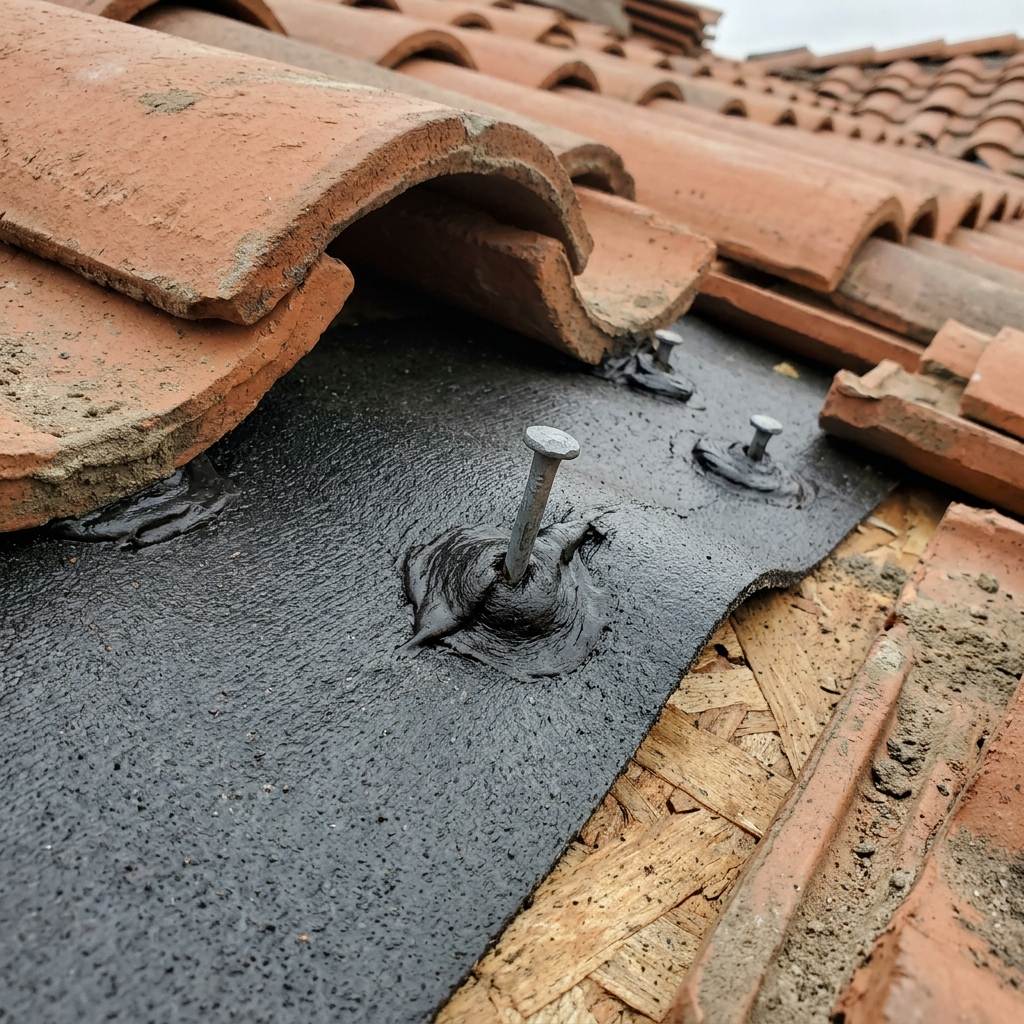
Your shingles or metal panels are only the first line of defense against a storm. If hurricane winds strip your tiles, your house depends entirely on the high-wind roof underlayment underneath. A high-quality high-wind roof underlayment seals around nails, fuses to the wood decking, and acts as a secondary water resistance (SWR) barrier. Selecting the right high-wind roof underlayment is the single most important decision you will make to protect your rafters from water intrusion.
Secondary Water Barrier Standards
Florida building codes mandate that all new roofs install a qualified secondary water barrier. A premium high-wind roof underlayment satisfies this rule perfectly.
We recommend:
- Peel-and-Stick Membranes: Self-adhered modified bitumen that sticks directly to the plywood.
- High-Temp Underlayments: Required under metal roofs to handle temperatures exceeding 240 degrees.
- Self-Sealing Properties: The underlayment grips the shank of nails, preventing water from dripping through holes.
We install top-tier GAF and CertainTeed high-wind roof underlayment products on every home. Learn more about our residential shingle roofing systems to understand our complete weather-proofing package.
Frequently Asked Questions
Why is a high-wind roof underlayment necessary?
It serves as a secondary water barrier (SWR), sealing around nail penetrations and preventing rain from entering your home if the primary shingles blow off.
What is the best material for high-wind roof underlayment?
Self-adhering, high-temperature modified bitumen membranes are recommended because they fuse directly to the wood decking and resist heat degradation.