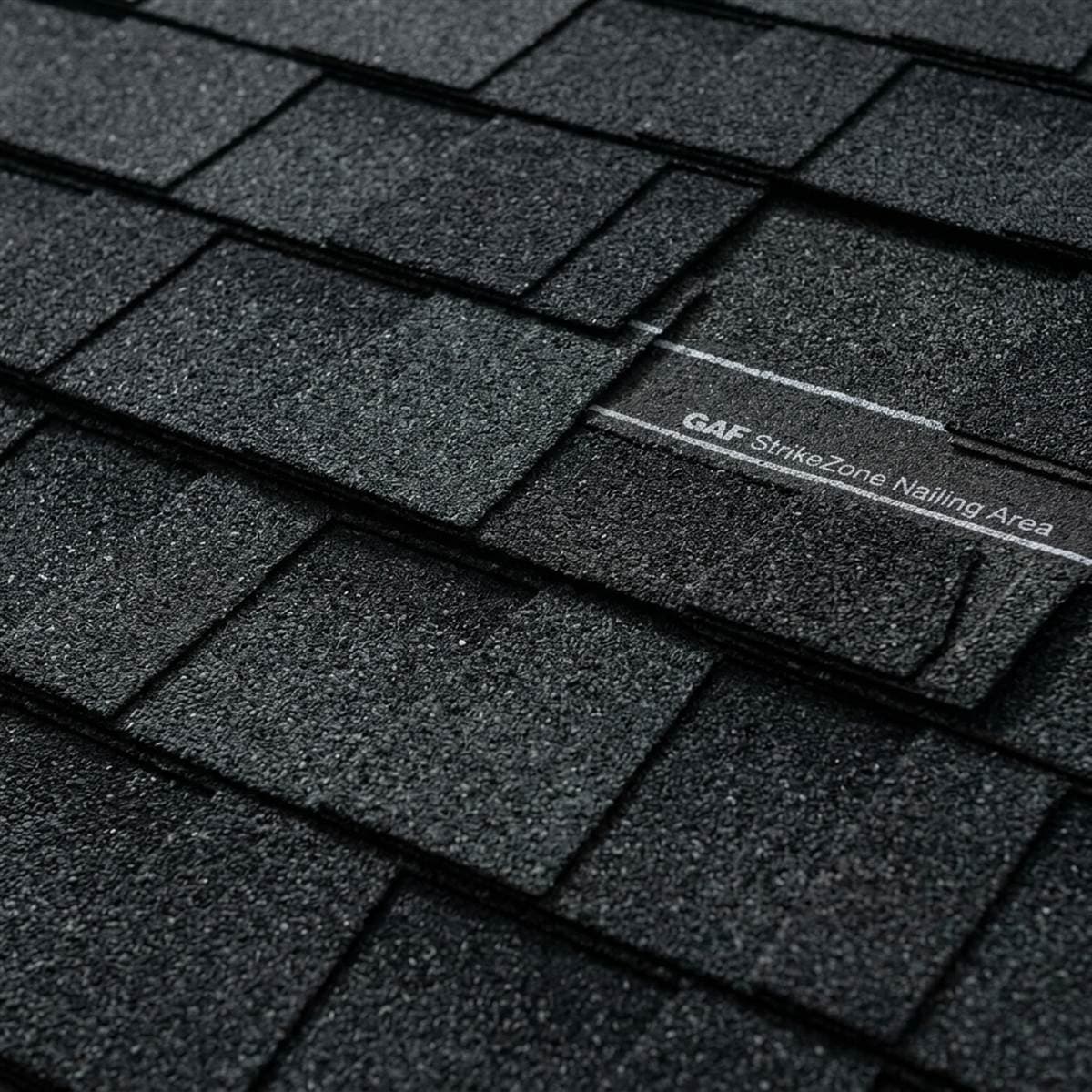
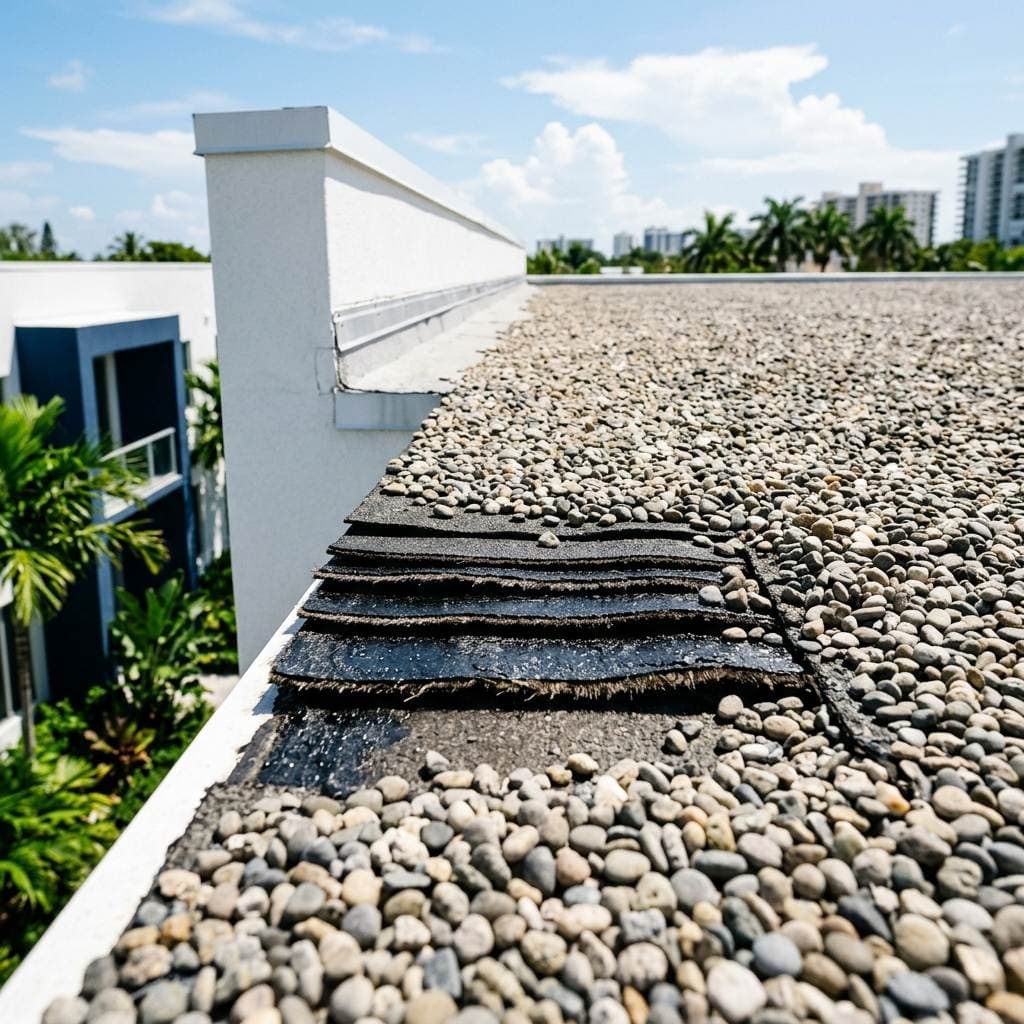
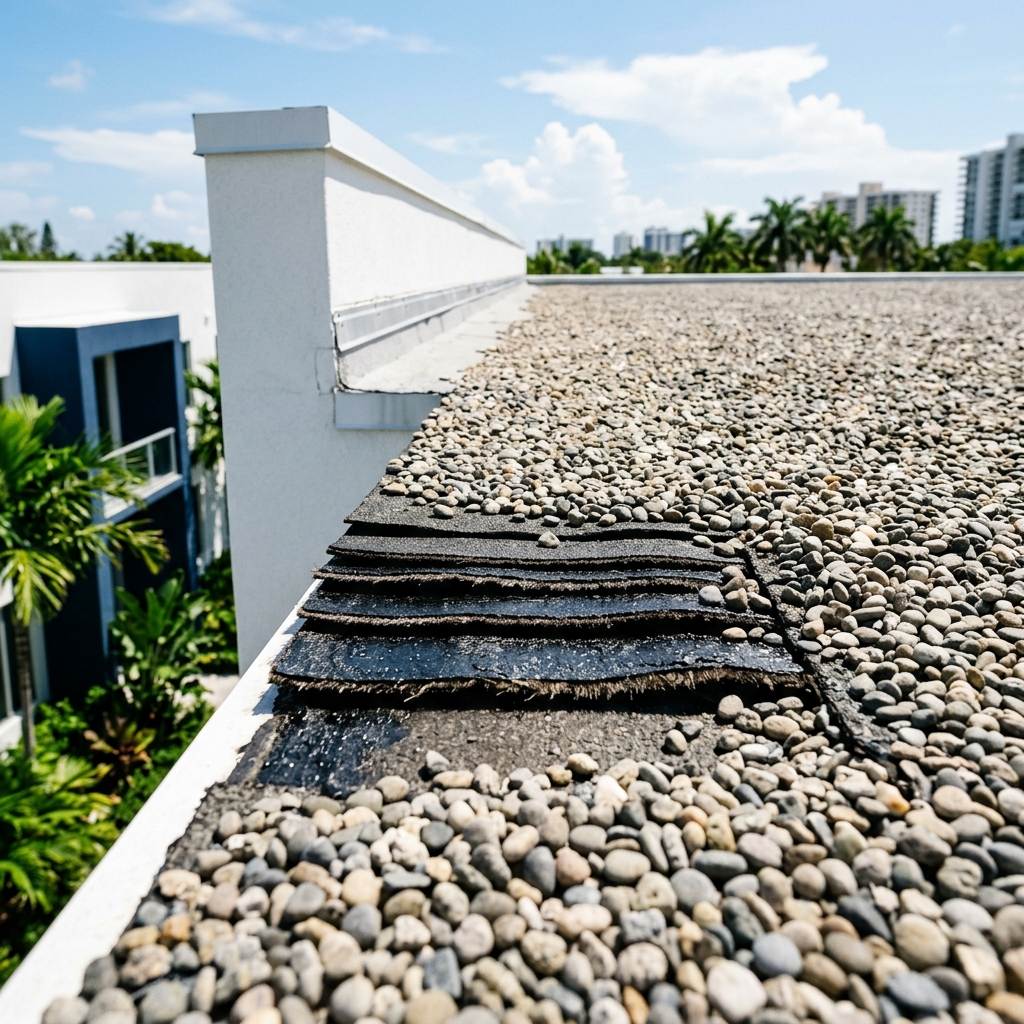
When South Florida hurricane season ramps up, you need a roof that fights back. Installing built up roofing systems gives your commercial property unmatched structural armor against flying debris and heavy impacts. You probably know them as BUR or tar-and-gravel roofs. These hardcore assemblies rely on multiple layers of asphalt-saturated ply sheets, fused tight with boiling hot bitumen. They top it off with a heavy aggregate gravel surface. This creates an incredibly thick, bulletproof shield. For property managers across Palm Beach, Martin, and Broward counties, upgrading to built up roofing systems stops catastrophic punctures dead in their tracks and locks in stable insurance rates.
Multi-Layered Protection of Built Up Roofing Systems
The true strength of built up roofing systems comes from extreme redundancy. Modern single-ply sheets offer just one thin layer of waterproofing. Standard BUR systems stack three, four, or even five ply sheets together.
When you hire certified specialists to install commercial built up roofing systems, you aren't just getting a roof. You are securing a multi-ply asphalt fortress engineered specifically to handle South Florida's thermal shock and tropical storm cycles.
Hot Asphalt Bitumen and Fiber Reinforcement Plies
Hot asphalt bitumen is the ultimate glue inside built up roofing systems. Roofers embed heavy fiberglass ply sheets directly into the liquid asphalt, building a massive composite deck layer by layer. This redundant design guarantees that even if the top gravel washes away, the underlying built up roofing systems stay bone dry.
- Bituminous Binding: Hot liquid asphalt fuses the plies into one continuous seal, eliminating any chance of air pocket leaks.
- Reinforcement Mats: Woven fiberglass sheets deliver insane tensile strength and natural Class-A fire resistance.
- Redundant Shielding: A leak has to fight through four separate barriers before it ever reaches your interior ceiling.
Storm Debris and Impact Resistance of BUR Decks
When 120-mph winds start throwing clay tiles, tree branches, and sheet metal, the brute strength of built up roofing systems pays off instantly. The heavy gravel surface acts as a literal shock absorber. It disperses the impact energy before it ever reaches the waterproofing plies. This mechanical armor defends your building envelope far better than any single-ply TPO or PVC sheet on the market.
- Shock Absorption: Loose gravel takes the hit, dispersing kinetic energy from flying storm debris.
- Puncture Resistance: A multi-ply asphalt composite laughs at sharp, wind-blown metal shards.
- UV Shielding: The aggregate layer completely blocks the sun, stopping UV rays from baking the asphalt.
Gravel Surfacing and Wind Scour Protection
Heavy gravel embedded deep into asphalt stops wind scour from peeling back membrane edges. If your building sits on the coast, specifying gravel-surfaced built up roofing systems guarantees your panels won't tear off during a massive uplift event. Regional building codes demand this level of wind scour resistance for a reason.
Life Cycle Maintenance and Restoration of BUR Systems
You have to maintain it to maximize it. Keeping your drains clear and booking semi-annual inspections easily pushes the service life of your built up roofing systems past 30 years. Standing water dissolves asphalt over time, so you must keep those scuppers clean. When the roof finally shows its age, applying a white reflective silicone coating restores the built up roofing systems entirely, instantly turning a dark asphalt deck into a highly efficient cool roof.
Coating Application and Landfill Waste Prevention
Liquid restoration coatings seal up microscopic stress cracks and add decades to the service life of built up roofing systems. You avoid the massive cost of a full tear-off. Plus, keeping old asphalt out of the local landfill scores you sustainable building credits.
Commercial Flat Roof Debris & Wind Resistance Comparison
Here is how built-up asphalt stacks up against the newer single-ply options:
| Performance metric | Built Up Roofing (BUR) | TPO Single-Ply Membrane | PVC Single-Ply Membrane |
|---|---|---|---|
| System Composition | 3 - 5 Plies + Gravel Topcoat | 1 Ply (Thermoplastic sheet) | 1 Ply (Thermoplastic sheet) |
| Debris Impact Resistance | Very High (Gravel protected) | Moderate (Scrim reinforced) | Moderate (Scrim reinforced) |
| Puncture Limit | Excellent (> 65 ft-lbs) | Moderate (25 - 35 ft-lbs) | Moderate (25 - 35 ft-lbs) |
| Wind Scour Resistance | Elite (Heavy gravel weight) | High (Requires perimeter plates) | High (Requires perimeter plates) |
| Average System Thickness | 250 - 320 Mils | 60 - 80 Mils | 50 - 80 Mils |
| Expected Lifespan | 25 - 35 Years | 15 - 25 Years | 20 - 30 Years |
Conclusion on BUR Systems
At the end of the day, a tar-and-gravel roof remains the most puncture-resistant flat deck you can put on a commercial asset. Call a local roofing specialist to figure out if a heavy built-up configuration makes sense for your property.
Local Service & Contact Signals
Diversified Roofing Solutions provides certified flat roof inspections, maintenance, and installations across South Florida. Contact our Jupiter headquarters for emergency support or a free commercial flat roof assessment.
Diversified Roofing Solutions, Inc.
📍 1829 Park Ln S, Suite 8, Jupiter, FL 33458
📞 (561) 841-5676
✉️ info@diversifiedroofingfl.com
Local Service Areas & Regional Coverage
Diversified Roofing Solutions provides certified residential and commercial roofing services across South Florida and the Treasure Coast, including Palm Beach County, Martin County, Broward County, and St. Lucie County.