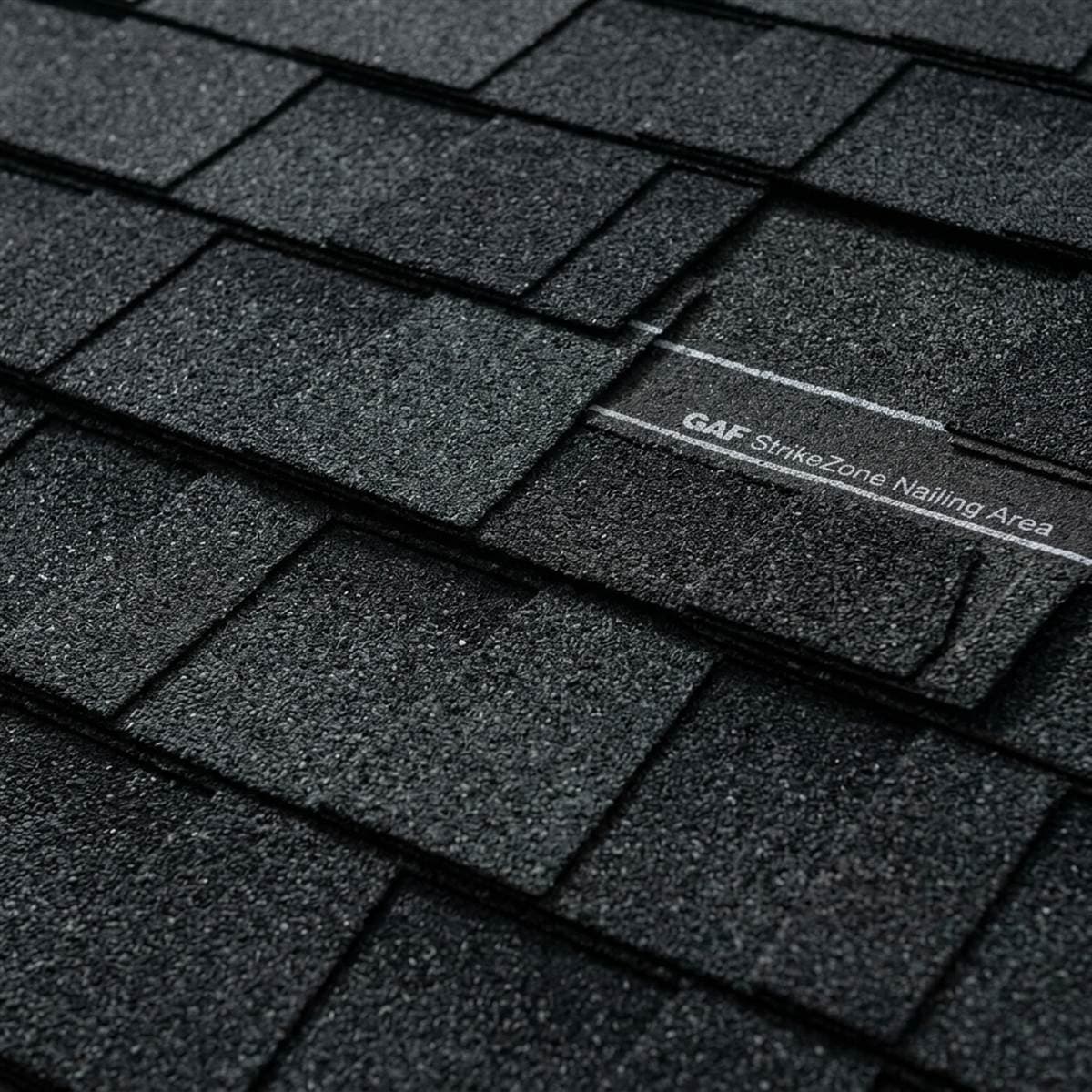
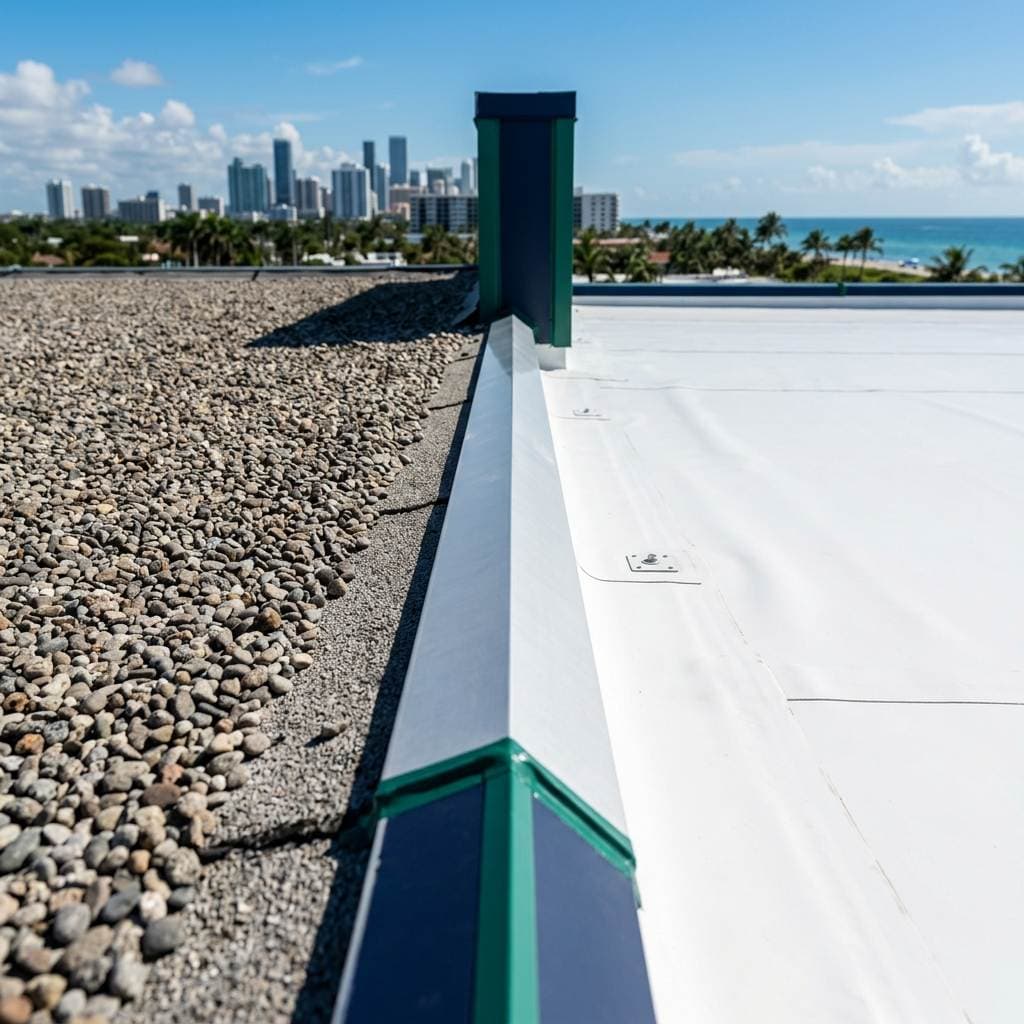
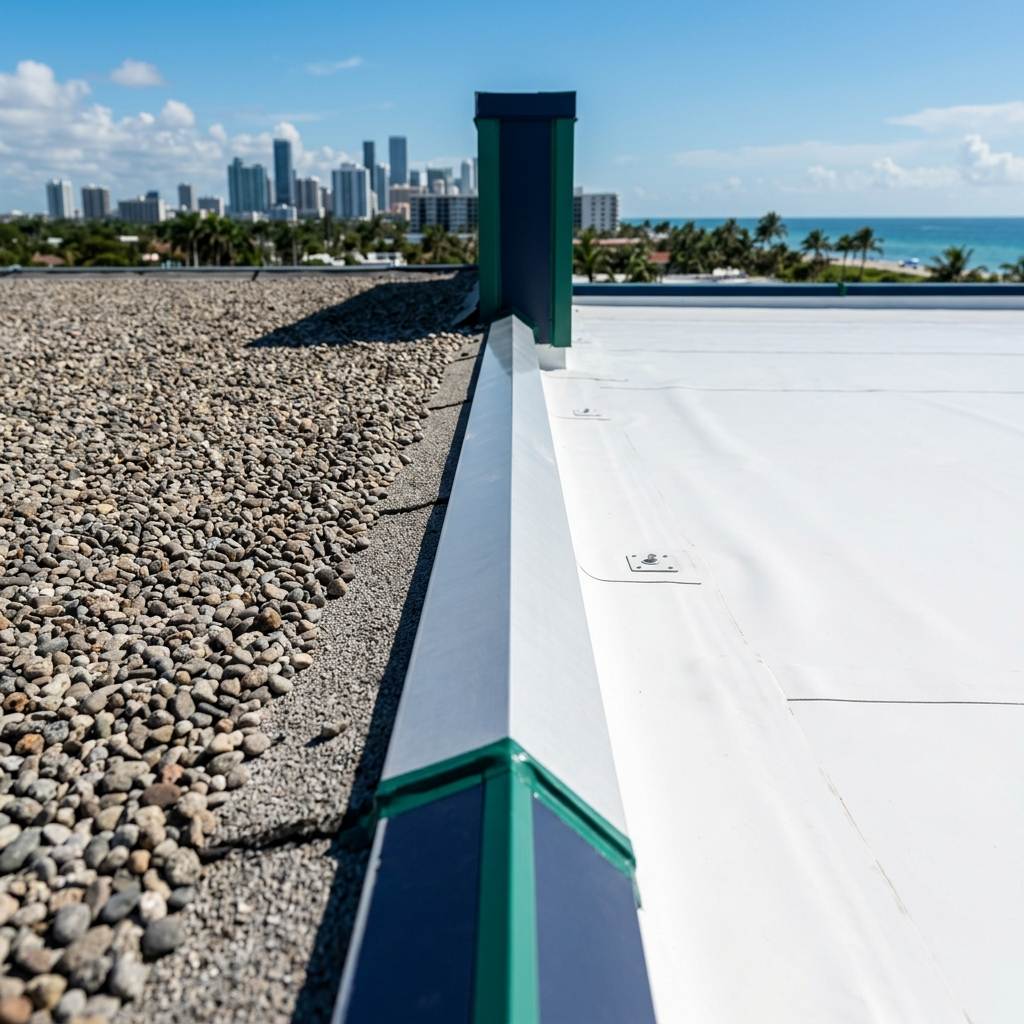
If your commercial building sees heavy HVAC maintenance traffic or sits right in the path of South Florida's hurricane zones, you need to compare the puncture resistance of commercial BUR roofing against modern single-ply membranes. Built-Up Roofing (BUR) stacks multiple layers of asphalt-saturated felts and buries them under a heavy gravel topcoat to absorb physical blows. Thermoplastic sheets like TPO and PVC only give you a single layer of defense. They are far more vulnerable to mechanical cuts and tool drops. Knowing exactly how commercial BUR roofing shakes off flying storm debris and daily foot traffic dictates how well you protect your assets across Palm Beach, Martin, and Broward counties.
Redundant Layering Advantage of Commercial BUR Roofing
The biggest reason commercial BUR roofing dominates single-ply membranes in puncture testing is raw thickness. Single-ply membranes rely entirely on one 60-mil or 80-mil sheet. A standard BUR assembly literally builds a custom deck, laminating three to five separate ply sheets into a single, impenetrable block.
When you hire local experts to install commercial built up roofing systems, you get a thick, redundant asphalt barrier. It stops moisture dead. It blocks UV degradation. Most importantly, it shrugs off localized mechanical punctures across the entire surface.
Asphalt Ply Sheets and Interply Bitumen Layers
During the build, roofing crews mop boiling hot asphalt bitumen between each ply sheet. This fuses the felts into a solid, waterproof mass. Because of this redundant thickness, a localized surface cut won't compromise the entire commercial BUR roofing assembly. If your roof holds massive rooftop mechanical units, the multi-layered strength of commercial BUR roofing gives you serious peace of mind when careless technicians drop tools.
- Redundant Bitumen Plies: Even if the top ply tears, multiple backup layers keep the water out.
- Woven Fiberglass Felts: These deliver extreme dimensional stability under high mechanical stress.
- Edge Delamination Resistance: Hot bitumen chemically binds the sheets, preventing wind uplift forces from ripping them apart.
Aggregate Gravel Topcoats: Shielding Commercial BUR Roofing
That final layer of aggregate gravel acts as a literal shield. It breaks the impact force of storm debris long before it ever touches the base plies. The loose rock works like a shock absorber, defending commercial BUR roofing from shattered tiles, hail, and snapping branches. Single-ply membranes don't have this stone barrier. They leave the bare polymer completely exposed to a direct hit.
Puncture Ratings and Mechanical Testing Standards
Under strict ASTM puncture resistance testing, commercial BUR roofing assemblies routinely brush off impact energy exceeding 60 foot-pounds. That elite rating makes commercial BUR roofing the gold standard for facilities that demand constant rooftop access. Stopping punctures stops the moisture saturation that ruins expensive commercial insulation.
Single-Ply Membranes: Vulnerabilities and Maintenance Costs
Single-ply sheets might offer a cheaper initial price tag, but their one-layer design cannot match the physical redundancy of commercial BUR roofing. A dropped utility knife or a sharp HVAC panel edge slices right through a TPO membrane. You instantly have an active leak. Fixing these micro-punctures demands constant inspections, driving up your lifetime operational costs compared to a rugged commercial BUR roofing system.
Walkway Protection Pads and Safety Maintenance
If you install a single-ply roof, you have to glue down thick rubber walkway pads in high-traffic zones to stop puncture leaks. You don't need those on a BUR deck. The dense gravel wear coat of commercial BUR roofing lets your maintenance crews walk anywhere safely. You never have to restrict their access paths.
Lifecycle Cost Analysis and Investment Return
Look at the lifecycle numbers. Commercial BUR roofing delivers incredible long-term value, routinely lasting up to 35 years. The brutal durability of commercial BUR roofing eliminates constant emergency leak calls, totally offsetting its higher upfront labor costs. Smart property owners in Stuart, West Palm Beach, and Fort Lauderdale choose built-up assemblies to lock down their capital investments.
Restoration and Renewable Liquid Membrane Options
You can extend the system's life even further before the asphalt finally degrades. Slapping an elastomeric coating over an aging commercial BUR roofing deck restores its puncture resistance and maxes out its energy efficiency.
Puncture & Traffic Resistance comparison Matrix
Here is how the physical limits of built-up systems compare to standard single-ply sheets:
| Performance Metric | Built-Up Asphalt (BUR) | TPO Single-Ply Membrane | PVC Single-Ply Membrane |
|---|---|---|---|
| Puncture Resistance (ASTM) | Very High (> 60 ft-lbs) | Moderate (25 - 35 ft-lbs) | Moderate (25 - 35 ft-lbs) |
| Aggregate Protection | Yes (Thick Gravel Layer) | No (Bare polymer) | No (Bare polymer) |
| Walkway Requirements | None (Full deck traffic) | Mandatory in service paths | Mandatory in service paths |
| Average System Thickness | 250 - 320 Mils | 60 - 80 Mils | 50 - 80 Mils |
| Average Installed Cost | Moderate ($6.50 - $9.50 / sq ft) | Lower ($5.50 - $8.50 / sq ft) | Higher ($7.50 - $11.50 / sq ft) |
| Expected Service Life | 25 - 35 Years | 15 - 25 Years | 20 - 30 Years |
Conclusion on System Puncture Resistance
Choosing the right flat roof means taking a hard look at your actual traffic patterns and local hurricane risks. Call a certified commercial roofing partner to find out if a heavy-duty built-up system is the best move for your facility.
Local Service & Contact Signals
Diversified Roofing Solutions provides certified flat roof inspections, maintenance, and installations across South Florida. Contact our Jupiter headquarters for emergency support or a free commercial flat roof assessment.
Diversified Roofing Solutions, Inc.
📍 1829 Park Ln S, Suite 8, Jupiter, FL 33458
📞 (561) 841-5676
✉️ info@diversifiedroofingfl.com
[!TIP] Planning a Roof Replacement? Use our interactive Florida Roof Replacement Cost Calculator to get an instant satellite measurement and pricing estimate for your property.
Local Service Areas & Regional Coverage
Diversified Roofing Solutions provides certified residential and commercial roofing services across South Florida and the Treasure Coast, including Palm Beach County, Martin County, Broward County, and St. Lucie County.