Building on the water is a dream, but the salt air will eat your home alive if you make the wrong choices. When it comes to coastal metal roofing, picking the exact right alloy is the only way to stop massive corrosion. In South Florida's brutal marine environment, the choice always comes down to Aluminum or Galvalume. Both metals deliver hardcore wind resistance, but they react to salt spray in totally different ways. Pick the wrong alloy for your coastal metal roofing, and you will face rapid rusting, instantly voided warranties, and structural failure across Palm Beach, Martin, and Broward counties.
Understanding Aluminum as a Coastal Metal Roofing Material
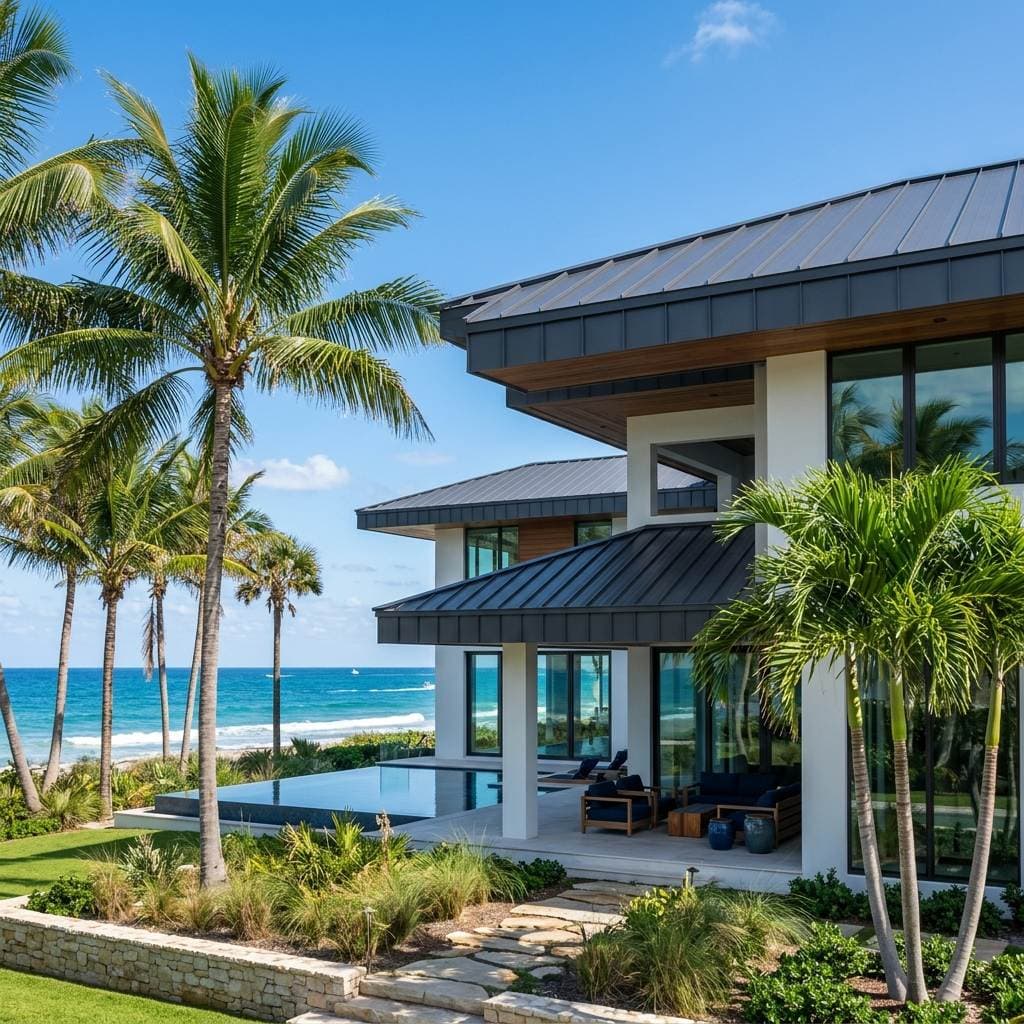
Aluminum is the undisputed heavyweight champion of coastal metal roofing. It simply does not rust like steel. When exposed to oxygen and heavy saltwater moisture, aluminum generates a tough barrier of aluminum oxide. This natural shield stops deep corrosion entirely, making it the ultimate choice for beachfront estates.
Homeowners who demand coastal standing seam metal roofs built from marine-grade aluminum lock in an impervious defense against saltwater. You keep your structural integrity. You keep that flawless, high-end look.
Marine-Grade Aluminum Alloys and Salt Spray Performance
For serious marine jobs, roofers use 3000- or 5000-series aluminum alloys. If your home sits within 1,500 feet of the breaking surf, aluminum is literally the only coastal metal roofing material that premium manufacturers will actually warranty. This total chemical immunity easily justifies the higher upfront price tag.
- Alloy 3105: The standard residential powerhouse. Highly formable and incredibly resistant to coastal air.
- Alloy 5052: The high-strength marine upgrade. Specified directly for extreme wind-load zones.
- Kynar 500 Paint Finish: The ultimate topcoat. It stops UV fading and blocks salt spray from sticking to the panels.
Evaluating Galvalume for Coastal Metal Roofing
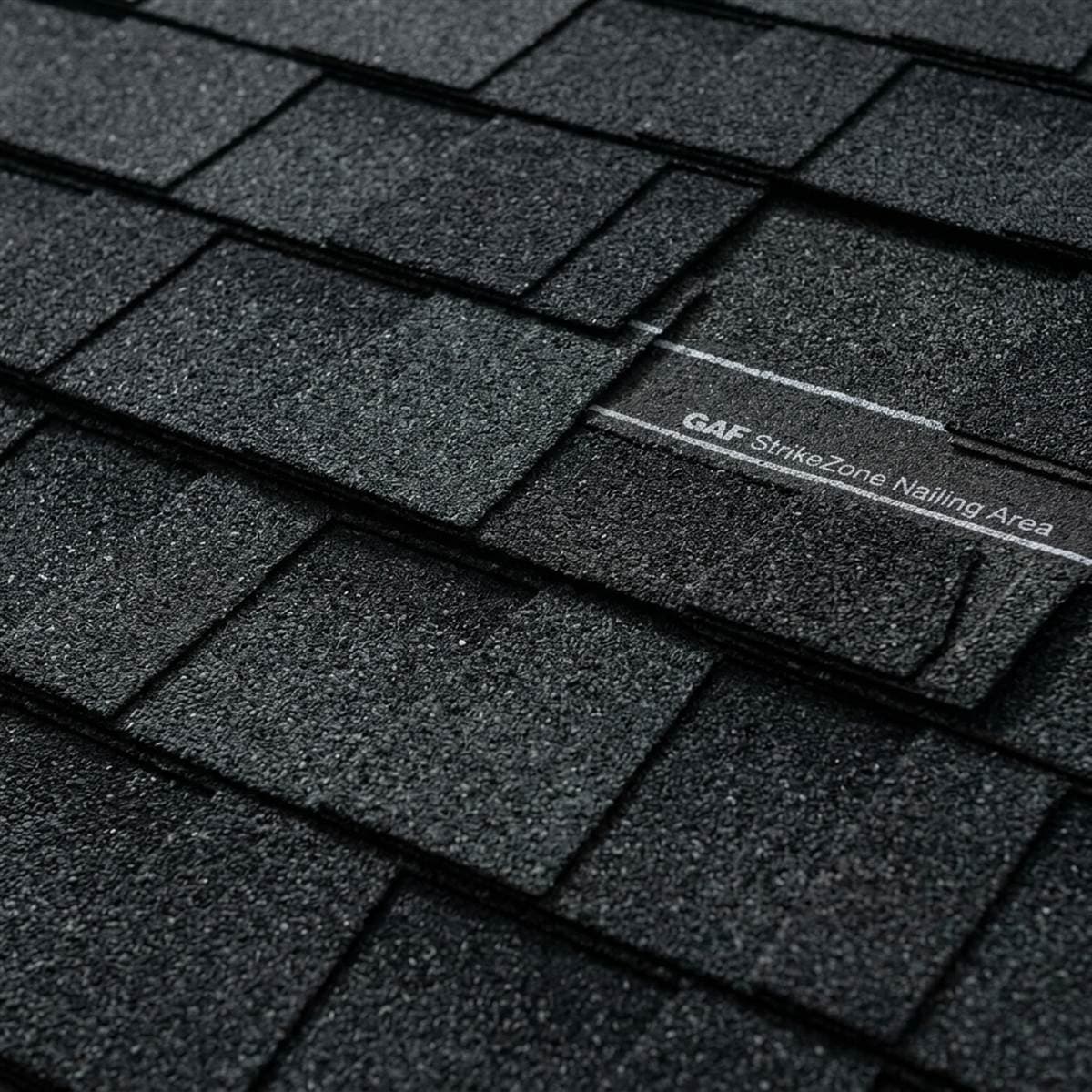
Galvalume is a steel core coated in a heavy blend of 55% aluminum and 45% zinc. It is an amazing, durable option—if you live inland. Trying to use Galvalume for coastal metal roofing right on the shoreline is a massive gamble. The heavy salt fog attacks the zinc-iron boundary, causing the panels to rust out from the edges.
- Barrier Protection: The aluminum in the coating acts as a physical shield over the steel core.
- Galvanic Protection: The zinc acts as a sacrificial layer, dissolving to protect the steel from rusting.
- Saltwater Vulnerability: The constant salt spray forces the zinc to dissolve way too fast, leaving the raw steel exposed to the ocean.
Corrosion Rates and Edge Cut Rusting in Galvalume
During installation, roofers have to cut the panels. On a Galvalume system, those exposed, raw steel edges face the ocean air directly. If you install Galvalume coastal metal roofing near the beach, those cut edges rust violently, peeling the paint right off the deck. That is exactly why manufacturers flat-out refuse to warranty Galvalume near salt water.
Choosing the Right Alloy: Distance from Saltwater
Your property's exact distance from the water dictates your coastal metal roofing material. If you are within 1,500 feet of salt water, aluminum is mandatory. Period. It guarantees rust-free performance and locks in your warranty. If you live further inland, Galvalume becomes a highly durable, cost-effective coastal metal roofing choice that will easily last decades.
Mechanical Specifications and Thickness Options
The thickness of the metal matters just as much as the alloy itself. Standard residential aluminum panels run 0.032 or 0.040 inches thick, giving you massive structural rigidity. For Galvalume systems, 24-gauge steel is the gold standard for stopping wind uplift and impact damage.
Maintenance and Lifespan of Coastal Metal Roofing
Want to double the life of your roof? Hose it off. Rinsing your coastal metal roofing with fresh water removes the heavy salt deposits that accumulate after storms. Even premium marine-grade alloys can pit if salt sits in the crevices for years. Rinsing the deck ensures your coastal metal roofing hits that legendary 50-year mark.
Architectural Aesthetics and Painting Systems
Modern Kynar 500 paint systems completely dominate the market for chalk and fade resistance on coastal metal roofing. Choosing a lighter color turns your roof into a mirror, bouncing the sun's heat back into the sky and slashing your cooling costs.
Material Comparison Matrix
Here is how the top sloped metal systems stack up in coastal zones:
| Performance Metric | Marine-Grade Aluminum | Galvalume Steel |
|---|---|---|
| Primary Alloy | 99% Pure Aluminum (3105/5052) | Steel + 55% Al / 45% Zn Coating |
| Waterfront Warranty | Yes (Full finish warranty included) | No (Typically restricted within 1,500 ft) |
| Saltwater Corrosion | Impervious (No red rust) | Vulnerable (Edge cut oxidation) |
| Structural Rigidity | Moderate (Requires solid deck) | High (Structural spanning ability) |
| Average Service Life | 50+ Years (Coastal) | 30 - 40 Years (Inland) |
| Relative Cost | Higher (1.3x - 1.5x of steel) | Moderate |
Conclusion on Coastal Metal Roofing Alloys
Do not guess. The choice between aluminum and Galvalume comes down to a tape measure and your exact proximity to the salt water. Call a certified local contractor. Let them dial in the exact coastal metal roofing system required to protect your home and secure your warranty.
Local Service & Contact Signals
Diversified Roofing Solutions provides certified sloped and flat roof inspections, maintenance, and installations across South Florida. Contact our Jupiter headquarters for emergency support or a free sloped roof assessment.
Diversified Roofing Solutions, Inc.
📍 1829 Park Ln S, Suite 8, Jupiter, FL 33458
📞 (561) 841-5676
✉️ info@diversifiedroofingfl.com
[!TIP] Planning a Roof Replacement? Use our interactive Florida Roof Replacement Cost Calculator to get an instant satellite measurement and pricing estimate for your property.
Local Service Areas & Regional Coverage
Diversified Roofing Solutions provides certified residential and commercial roofing services across South Florida and the Treasure Coast, including Palm Beach County, Martin County, Broward County, and St. Lucie County.