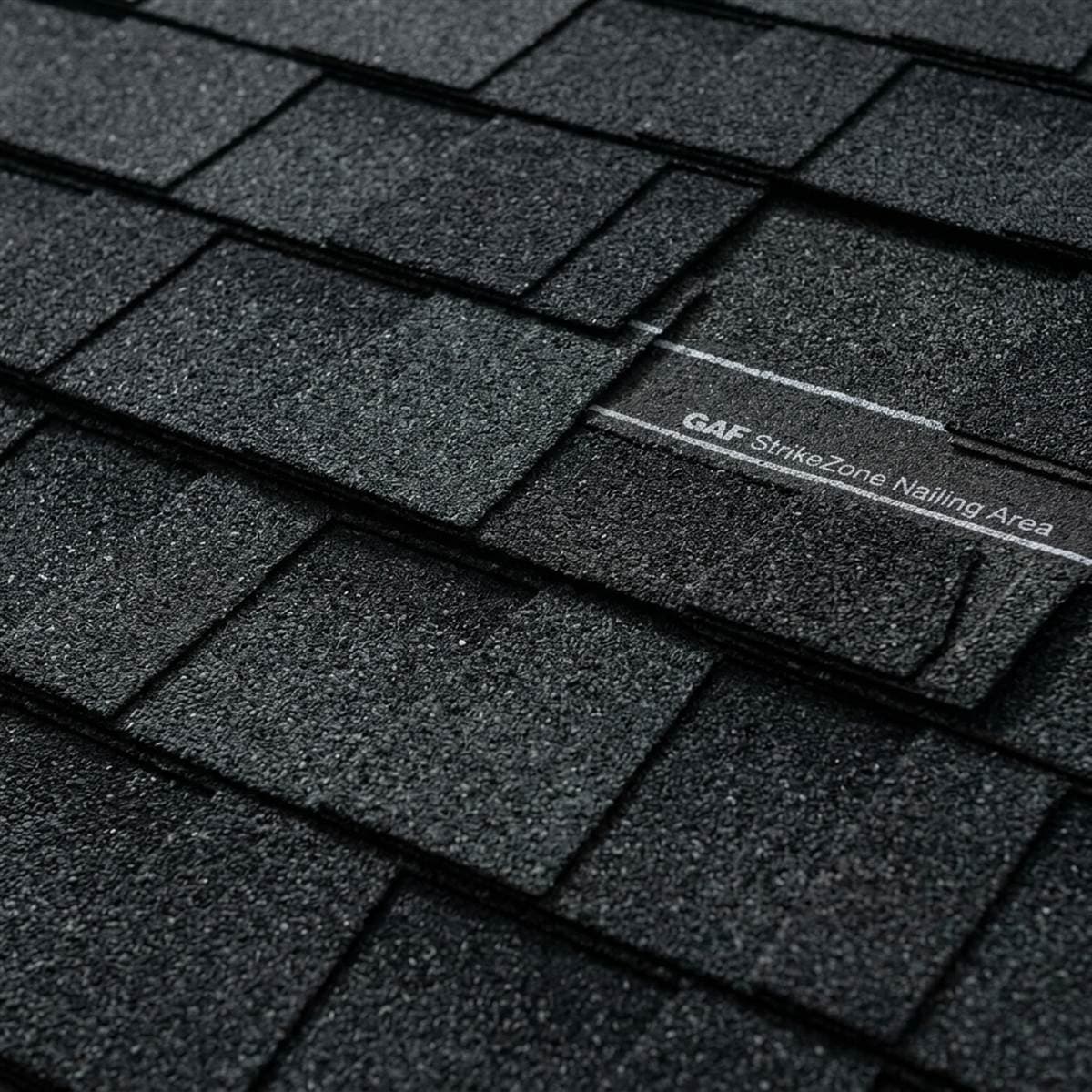
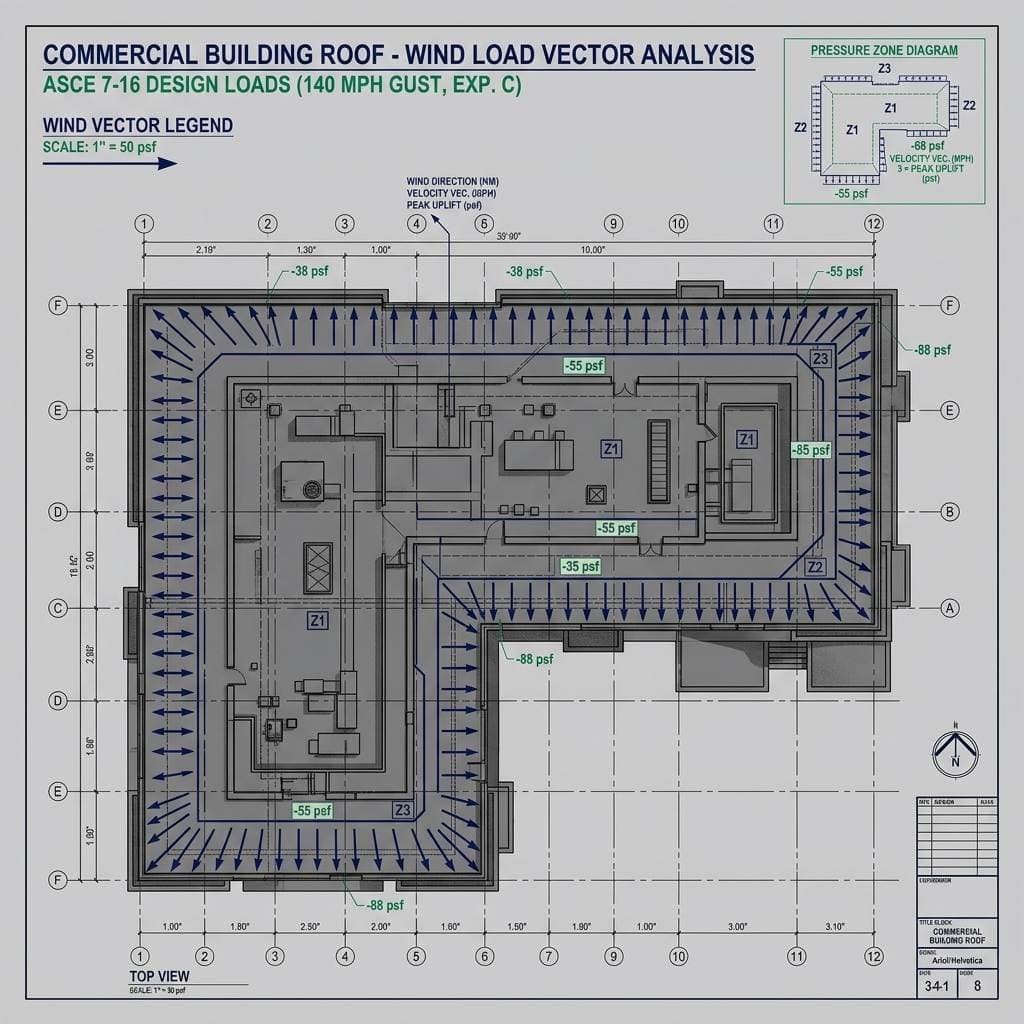
The high-wind environments of South Florida demand construction practices that can withstand tropical systems. The latest Florida HVHZ roofing codes set the gold standard for structural protection, mandating systems designed to withstand wind uplift forces exceeding 170+ MPH. Building code revisions require strict adherence to wind-mitigation technologies, and complying with these updated Florida HVHZ roofing codes is essential for protecting your property and securing property insurance discounts.
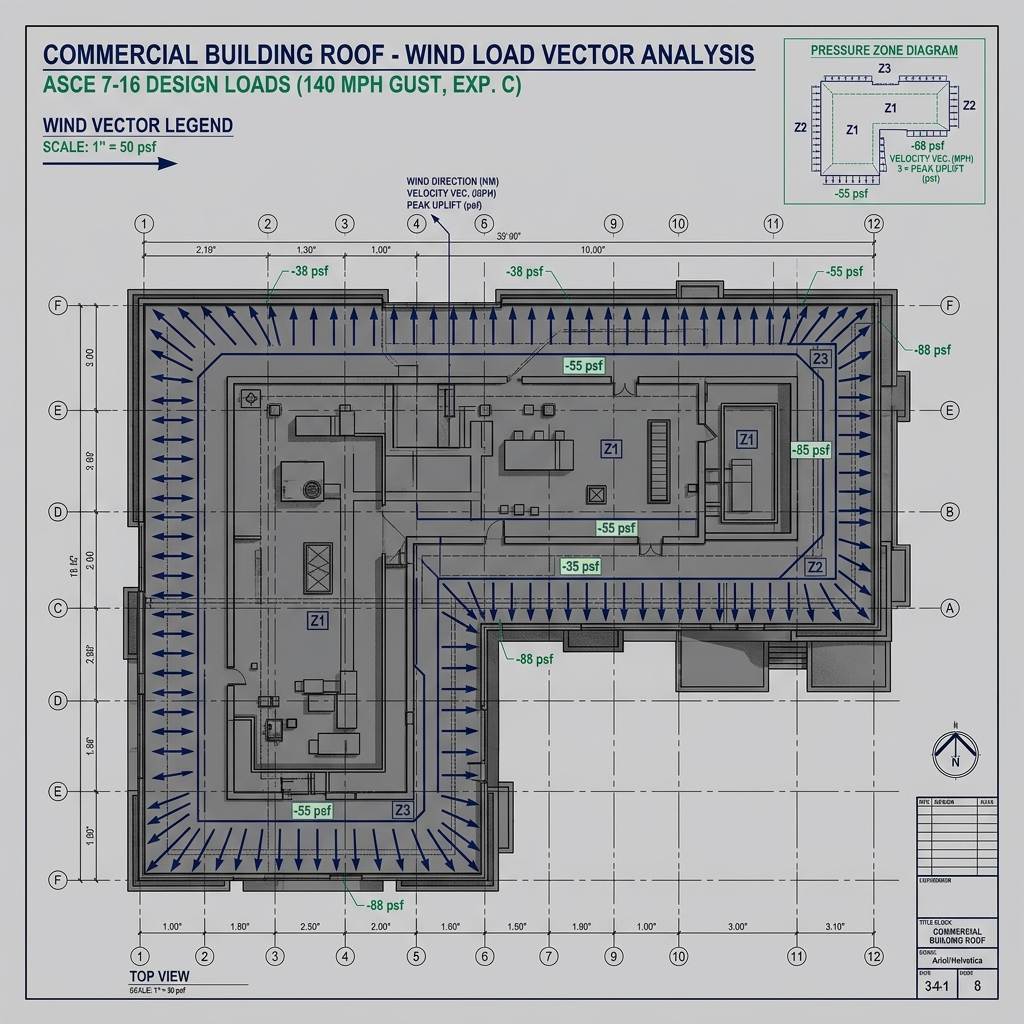
Structural Enhancements and Uplift Compliance
Under the strict Florida HVHZ roofing codes, every roof replacement must secure the structural decking using ring-shank nails driven in close patterns. Staples are no longer permitted on plywood sheets.
Key components of code compliance include:
- Secondary Water Barrier (SWR): A self-adhered peel-and-stick underlayment applied directly to the decking.
- Enhanced Nail Schedules: Precise fastener spacing along the joints to resist uplift.
- Drip Edge Reinforcement: Heavy-duty aluminum drip edges fastened at close intervals.
Our team at Diversified Roofing specializes in implementing systems that fully satisfy these Florida HVHZ roofing codes requirements. If you want to review options, learn about our premium standing seam metal roofing services in Jupiter.
Frequently Asked Questions
What are the current Florida HVHZ roofing codes requirements?
The current codes mandate that all new roofing installations withstand winds up to 170+ MPH, feature secondary water resistance (SWR) underlayments, and utilize wind-uplift certified fasteners.
How do I ensure compliance with Florida HVHZ roofing codes?
Property owners must hire state-certified roofing contractors, secure appropriate building permits, and pass multi-point municipal wind-mitigation inspections.