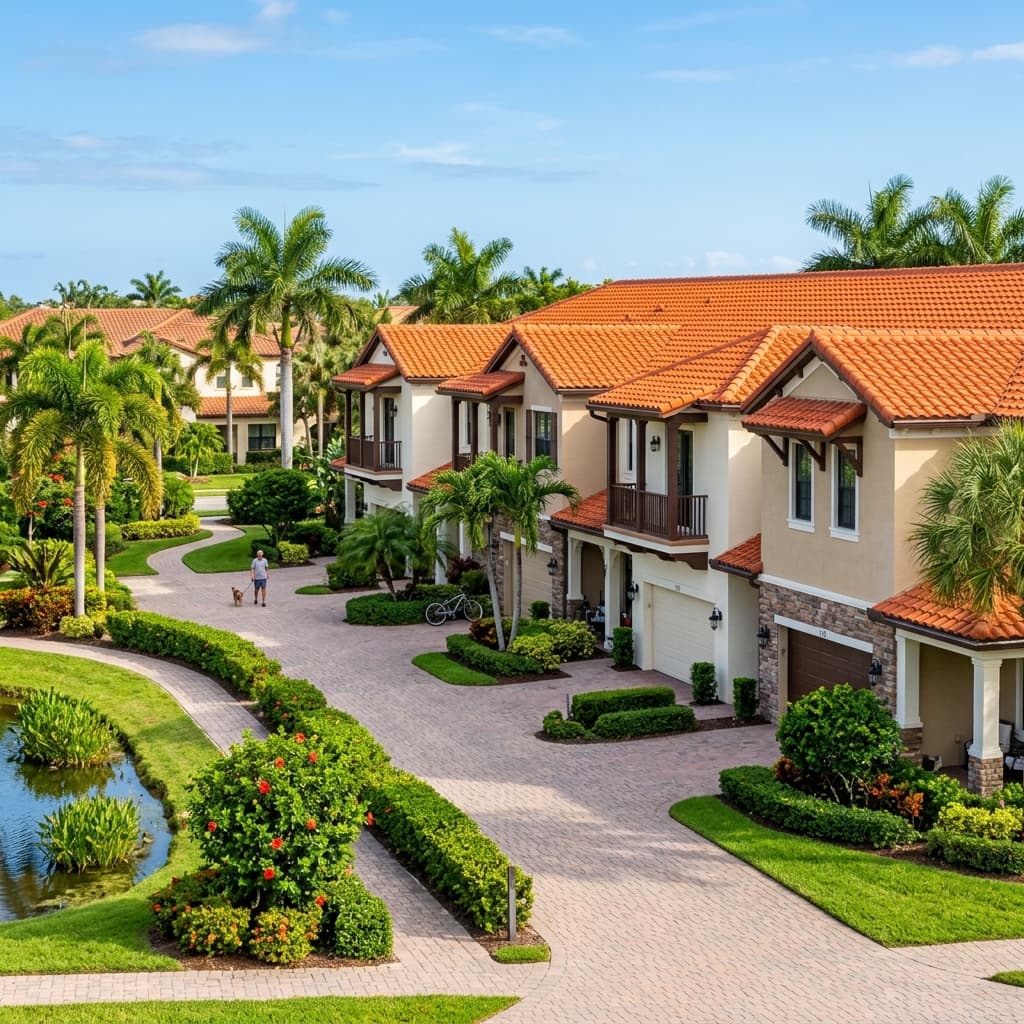
As the fourth quarter begins, Homeowners Association (HOA) boards across South Florida face their most daunting annual task: finalizing the budget for the upcoming year. For communities approaching the 15-to-20-year mark, the most significant line item on that budget is often a community-wide roof replacement.
Replacing roofs across dozens of multi-family units or townhomes requires immense logistical and financial planning. Here is how HOA boards can accurately forecast and budget for roof replacements during their Q4 planning sessions.
Step 1: Update Your Reserve Study
A Reserve Study is the financial roadmap for your HOA. It estimates the remaining useful life of common elements (like roofs) and calculates how much money needs to be set aside annually to fund their eventual replacement.
However, if your Reserve Study is more than three years old, its cost estimates are likely drastically outdated due to recent inflation in building materials and labor. Before finalizing the Q4 budget, the board must cross-reference the Reserve Study with current market data.
Step 2: Secure Real-Time Roofing Estimates
To avoid levying massive, unexpected special assessments on residents, you need accurate, real-time numbers. In Q4, the HOA board should invite a licensed, certified roofing contractor to inspect a representative sample of the community's buildings.
The contractor will provide an actionable estimate that includes:
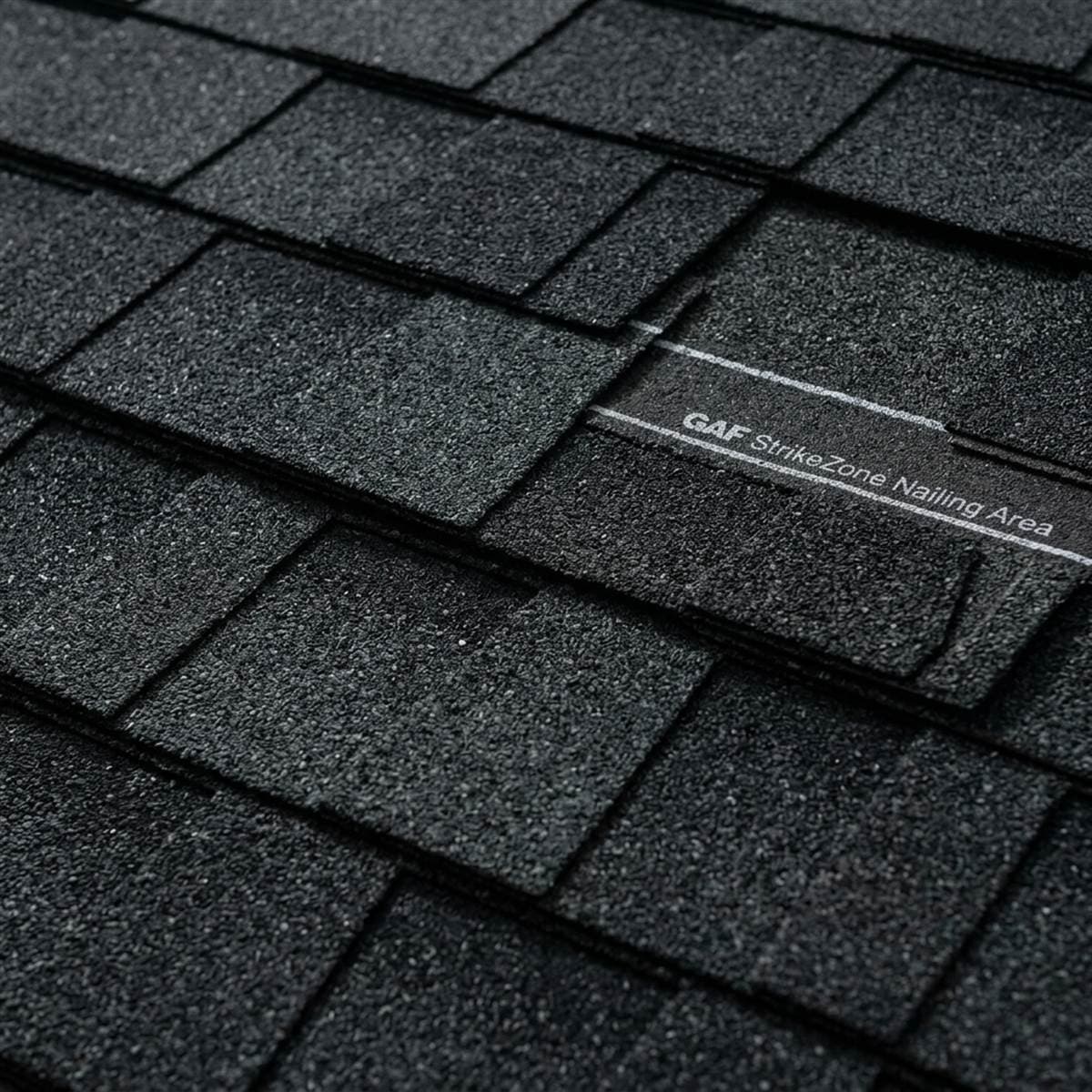
- Tear-off and Disposal: The cost to remove the existing shingles, tiles, or flat roofing.
- Decking Repairs: An estimated allowance for replacing rotted plywood decking (which is almost always required in Florida).
- New Materials and Labor: The cost of installing the new underlayment, flashing, and top-layer materials.
Pro Tip: Always ask the contractor to include a 10-15% contingency line item in the estimate for hidden structural damages that cannot be seen until the old roof is removed.
Step 3: Factor in Insurance and Code Changes
Florida building codes are notoriously strict and constantly evolving, especially regarding wind-load requirements. A roof replaced 20 years ago will not meet today's codes.
When budgeting, the board must account for the cost of bringing the new roofs up to current Florida Building Code standards. The silver lining? Installing a code-compliant roof with secondary water barriers and upgraded fasteners will significantly lower the community's master insurance premiums.
Step 4: Schedule for the Dry Season
By finalizing the budget and selecting a contractor in Q4, the HOA can schedule the actual roof replacement for Q1 (January through March). This is the optimal window in South Florida, as the weather is cool and dry. Avoiding the summer rainy season ensures the project stays on schedule and minimizes disruption for the residents.
If your HOA board is currently navigating Q4 budget season, Diversified Roofing Solutions can help. We specialize in large-scale HOA and multi-family roof replacements. Contact us today for a comprehensive community inspection and accurate budgeting estimate.