The Urgent Need for Storm Hardening in Older Subdivisions
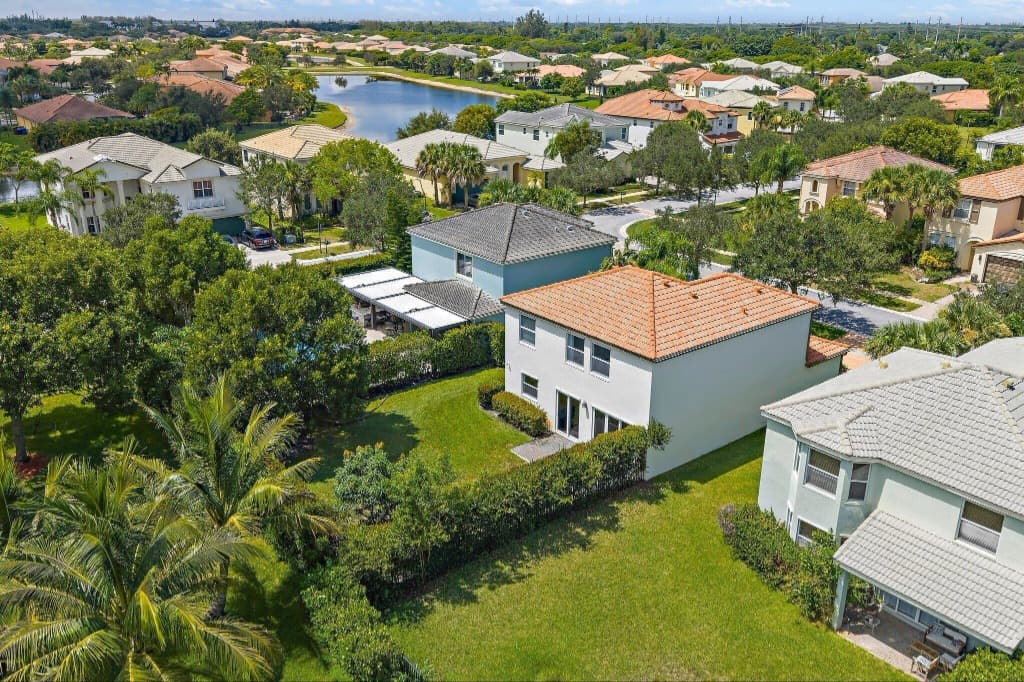
Older Florida developments, particularly those built before the modernized Florida Building Code rolled out in 2002, are highly vulnerable to hurricane-force winds. When evaluating these older subdivisions, it is clear that prioritizing hurricane mitigation for HOA communities is no longer optional. These communities feature aging underlayment, standard ring-shank nails instead of hurricane straps, and structural joints that fail modern wind load demands.
To fix these vulnerabilities, aggressive HOA boards are launching neighborhood storm hardening projects. These initiatives drastically improve the overall resilience of the community by modernizing the building envelopes. Investing in hurricane mitigation for HOA communities preserves structural integrity and protects the association's financial reserves. When multiple adjacent properties are reinforced simultaneously, the community secures lower construction mobilization costs and massive negotiating power with commercial insurers.
Fiduciary Duties, Reserve Funding, and Association Compliance
Florida laws regarding condominium and homeowner associations have tightened aggressively. Under Senate Bill 4-D and recent updates, boards must execute strict structural safety protocols, especially for multi-story or attached-unit properties. To maintain association compliance, boards must take the lead in researching the best methods of hurricane mitigation for HOA communities.
With the mandatory rollout of Structural Integrity Reserve Studies (SIRS), associations are legally required to fund reserves for deferred maintenance of critical systems, notably roofs. This financial mandate makes planning for hurricane mitigation for HOA communities a matter of absolute legal and fiduciary necessity. Boards must balance reserve budgets with the urgent need for community roof upgrades to avoid sudden, crippling special assessments on homeowners.
Key considerations for maintaining compliance include:
- SIRS Requirements: Ensuring all structural components with a lifespan under 30 years are fully funded. No exceptions.
- Uniform Design Standards: Matching shingle, tile, or metal systems to the association's original design guidelines.
- Permitting and Inspections: Partnering with contractors who secure municipal permits and conduct third-party wind mitigation inspections flawlessly.
Designing a Successful Community Outreach Strategy
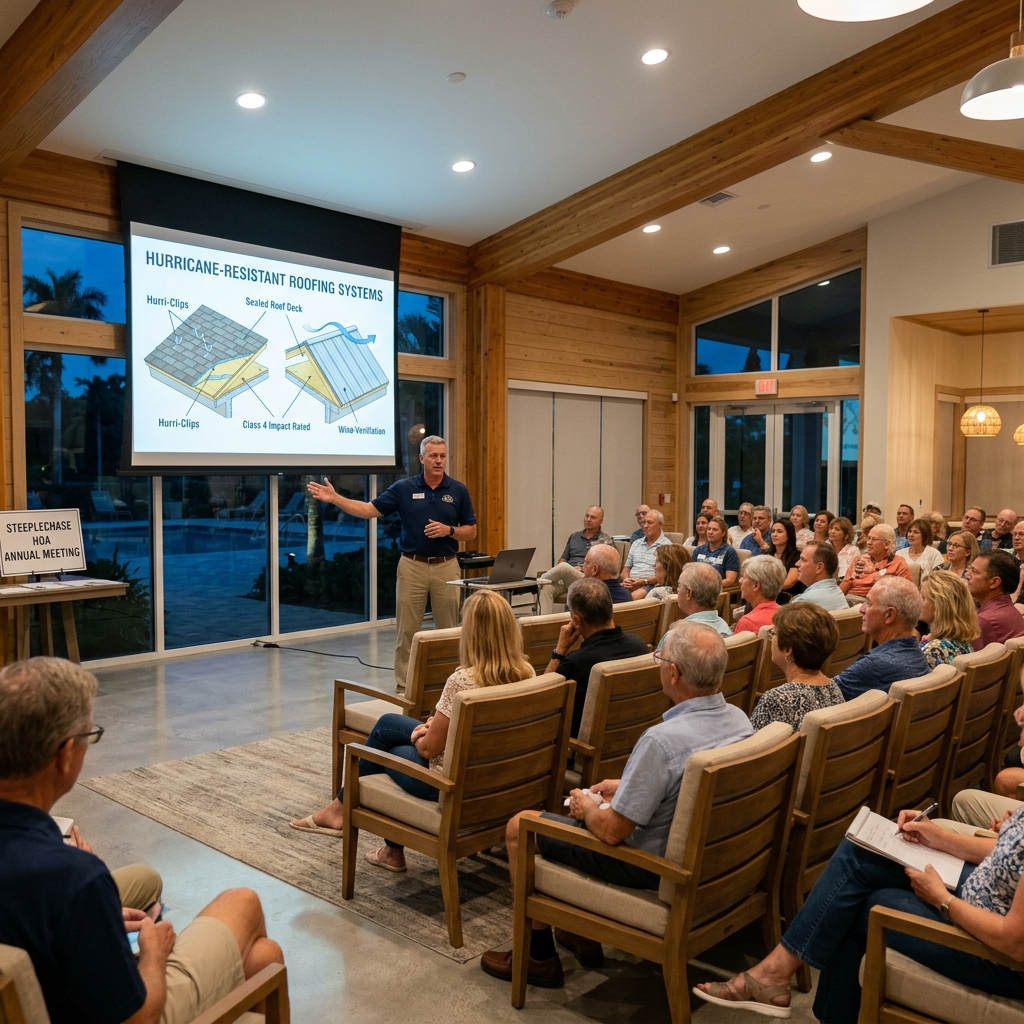
Homeowners hesitate to support major capital improvements because they fear upfront costs. Educating homeowners during board meetings is mandatory. Implementing hurricane mitigation for HOA communities requires community-wide buy-in. Board members must lead with transparency and education, not administrative threats.
Presentations highlighting the massive insurance savings tied to hurricane mitigation for HOA communities are highly successful in shifting resident perspectives. When homeowners realize that a wind mitigation certificate triggers immediate discounts on their individual HO-6 or property insurance policies, resistance turns to support. Outreach strategies must include:
- Interactive Town Halls: Hosting open forums where residents can hammer structural engineers or roofing experts with direct questions.
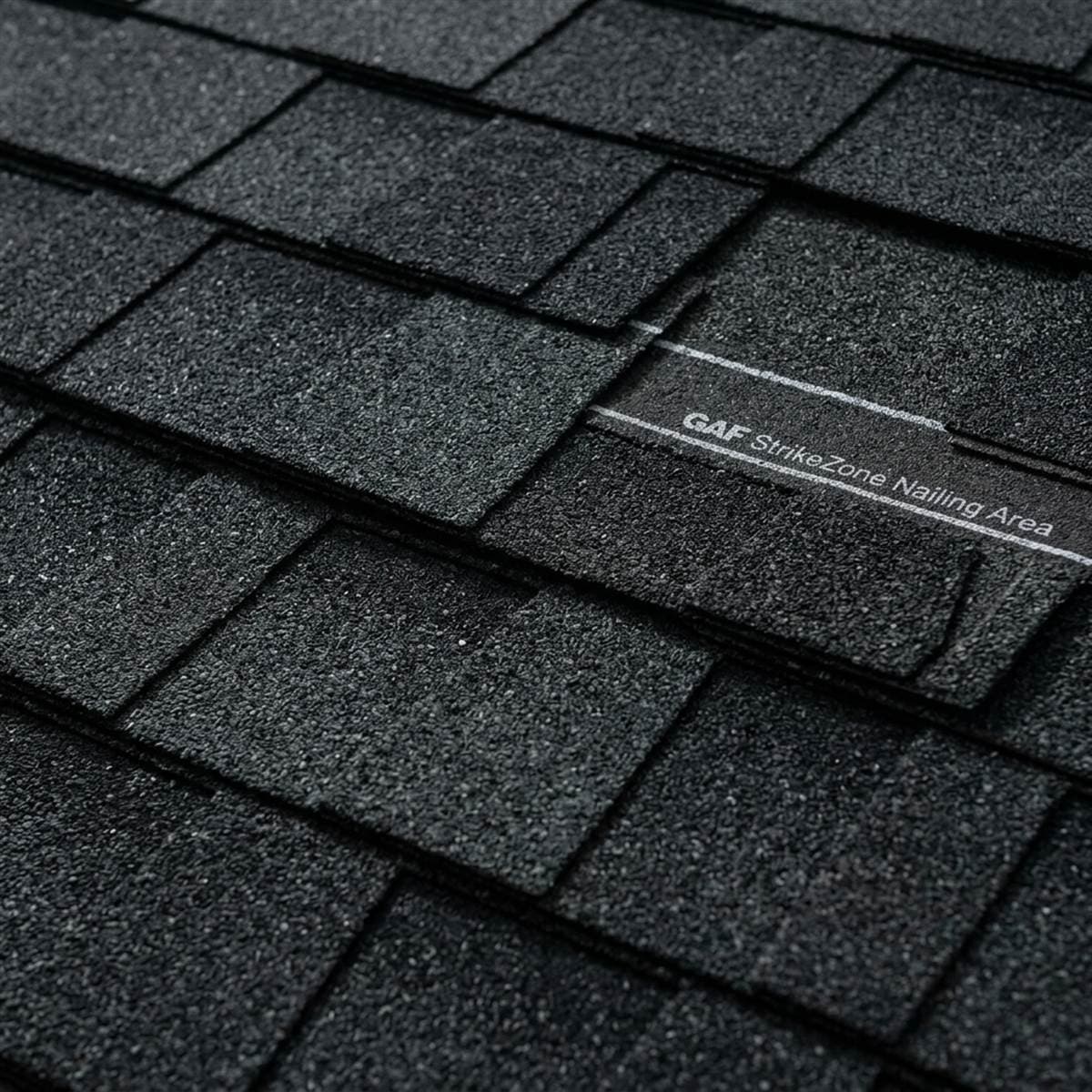
- Clear Visual Aids: Displaying physical mock-ups of advanced underlayments, secondary water barriers, and ring-shank nail patterns.
- Comparative Financial Summaries: Presenting brutal data on the cost of emergency disaster repairs versus planned upgrades.
Wind Mitigation Process & Estimated Costs
To help your board draft a roadmap, we built a structured overview of the timeline and pricing for executing hurricane mitigation for HOA communities. By breaking down the components of hurricane mitigation for HOA communities, boards can present clear, digestible facts to their homeowners.
The table below outlines the phase-by-phase process for planning and installing residential and multi-family storm upgrades.
| Project Phase | Core Actions & Structural Upgrades | Key Hardening Benefits | Estimated Cost Range (Per Unit) |
|---|---|---|---|
| Phase 1: Engineering Assessment | Wind-load calculation, deck thickness checks, fastener audit, and reserve study alignment. | Identifies structural weak points and defines technical specifications. | $250 – $600 |
| Phase 2: Deck Attachment & Fasteners | Re-nailing roof deck using 8d ring-shank nails spaced at 6 inches on center. | Doubles the roof deck's resistance to uplift forces. | $1,500 – $2,500 |
| Phase 3: Secondary Water Barrier (SWB) | Installation of self-adhering polymer-modified bitumen or synthetic underlayment. | Prevents water intrusion even if the primary roof covering is blown off. | $2,000 – $3,500 |
| Phase 4: Cladding Replacement | Installation of wind-rated architectural shingles, clay tiles, or standing seam metal. | Provides high-impact debris protection and primary wind resistance. | $8,500 – $18,000+ |
| Phase 5: Final Wind Mitigation Inspection | Certified OIR-B1-1802 inspection to verify all upgrades. | Unlocks maximum insurance premium discounts. | $150 – $300 |
While initial costs look substantial, the long-term ROI of comprehensive hurricane mitigation for HOA communities destroys the risk of inaction. A storm-hardened community experiences far less downtime and property damage after major South Florida landfalls, protecting the long-term solvency of the association.
Partnering with Certified Multi-Family Specialists
Executing a large-scale roofing project across a subdivision or condominium complex requires aggressive logistics, precise staging plans, and ruthless municipal coordination. Working with a licensed, commercial contractor ensures that all engineering reports, wind load calculations, and construction phases for hurricane mitigation for HOA communities are handled perfectly.
Diversified Roofing Solutions specializes in assisting HOA boards with community-wide wind mitigation initiatives, reserve study planning, and resident education sessions. For boards preparing for these updates, scheduling a professional assessment for multi-family roof replacement services is the mandatory first step to securing your neighborhood's future.
Call our expert team today to schedule an educational presentation on hurricane mitigation for HOA communities for your next board meeting.
Related Services and Local Coverage
Whether you need a routine inspection, emergency leak repair, or a complete roof replacement, our team executes. Learn more about our comprehensive residential roofing services and commercial roofing capabilities.
Diversified Roofing Solutions proudly serves properties across South Florida and the Treasure Coast. Explore our service areas in Palm Beach County, Martin County, Broward County, and St. Lucie County.