To protect South Florida homes from catastrophic storms, investing in a professional hurricane roof reinforcement is the single most critical step a property owner can take. Structural failures during high-wind events usually start at the roof deck or perimeter joints. Upgrading your roof system with wind-resistant underlayment, hurricane straps, and robust fastening patterns mitigates the risk of catastrophic roof blow-offs. For homeowners in Palm Beach, Martin, and Broward counties, implementing a certified hurricane roof reinforcement secures the building envelope, protects occupants, and preserves property value.
Table of Contents
- What Is Hurricane Roof Reinforcement and Why Does It Matter?
- How Do Hurricane Clips and Straps Prevent Roof Uplift?
- What Are the Best Underlayment Options for Wind Defense?
- How Does Metal Roofing Compare to Asphalt Shingles in Storms?
- How Do Local Wind Codes Affect Structural Roof Design?
- Related Services
What Is Hurricane Roof Reinforcement and Why Does It Matter?
A structured hurricane roof reinforcement system is a combination of engineering upgrades designed to lock your roof framing, decking, and outer covering into a unified, wind-resistant fortress. This reinforcement stops high-velocity winds from creating internal pressure that peels shingles and rips off rafters.
By installing wind-rated mechanical fasteners and secondary water barriers, property owners slash their vulnerability to severe tropical storms. This is how you survive hurricane season in Palm Beach and Martin counties—and how you qualify for massive discounts on your property insurance premiums.
The Mechanics of Wind Uplift and Pressure Zones
When tropical storms slam into the coast, high-velocity winds create brutal low pressure above your roof. The storm literally tries to suck the roof off the building. Without a verified hurricane roof reinforcement system, this upward suction force tears off roof sections and allows driving rain to flood your ceilings. Proactive installation of a certified hurricane roof reinforcement eliminates this vulnerability.
- Zone 1 (Field): The interior roof surface, subject to standard, steady wind forces.
- Zone 2 (Perimeter): Elevated suction forces require up to 50% tighter fastener density along the edges.
- Zone 3 (Corners): Extreme turbulence here requires the absolute tightest plate spacing to prevent sheet tearing.
How Do Hurricane Clips and Straps Prevent Roof Uplift?
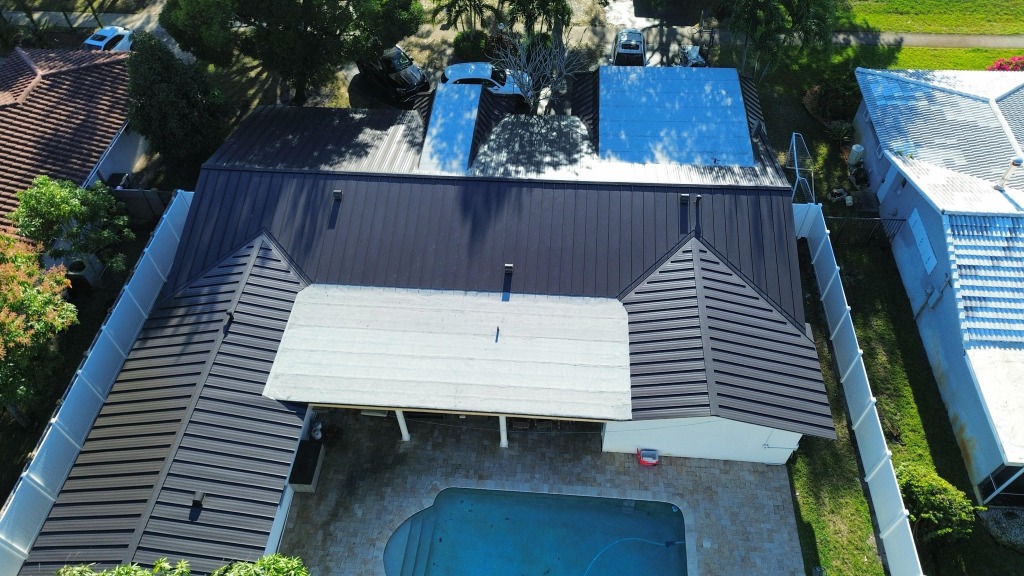
Hurricane clips and straps are heavy steel connectors. They anchor your roof trusses directly to the concrete tie-beam or structural wood framing. This crucial component of hurricane roof reinforcement guarantees your entire roof structure remains attached to the walls under maximum wind pressures.
Unlike older toe-nailing methods that fail under stress, modern metal connectors distribute the tension load down the structural walls. They stop the roof from detaching during violent wind shear cycles.
Retrofitting Options for Existing Homes
For older Florida homes built before modern building codes, completing a retrofitted hurricane roof reinforcement using hurricane ties is highly recommended. Technicians install these metal connectors during a roof replacement, reinforcing the critical roof-to-wall connection. Selecting a professional hurricane roof reinforcement retrofitting program protects your home from uplift forces without the massive expense of rebuilding the framing.
What Are the Best Underlayment Options for Wind Defense?
High-temperature self-adhering underlayment acts as a secondary water barrier directly applied to your wood roof deck. If Category 4 winds blow your shingles off, this secondary seal ensures the deck remains watertight. It is a critical, non-negotiable layer in your overall hurricane roof reinforcement design.
This peel-and-stick membrane aggressively seals around every roofing nail, preventing leaks even if the outer shingles or tiles peel away entirely.
Puncture-Resistant Secondary Water Barriers
Self-adhering modified bitumen underlayments seal around roofing nails perfectly. Integrating this secondary water resistance (SWR) barrier during a hurricane roof reinforcement project provides absolute peace of mind. It secures maximum wind mitigation insurance discounts.
- Self-Adhered Membranes: Apply directly to the deck, creating a continuous, watertight seal.
- Synthetic Underlayments: Deliver massive tear resistance compared to cheap organic felt.
- Self-Sealing Properties: Grip fasteners tightly to stop water intrusion at the nail points.
How Does Metal Roofing Compare to Asphalt Shingles in Storms?
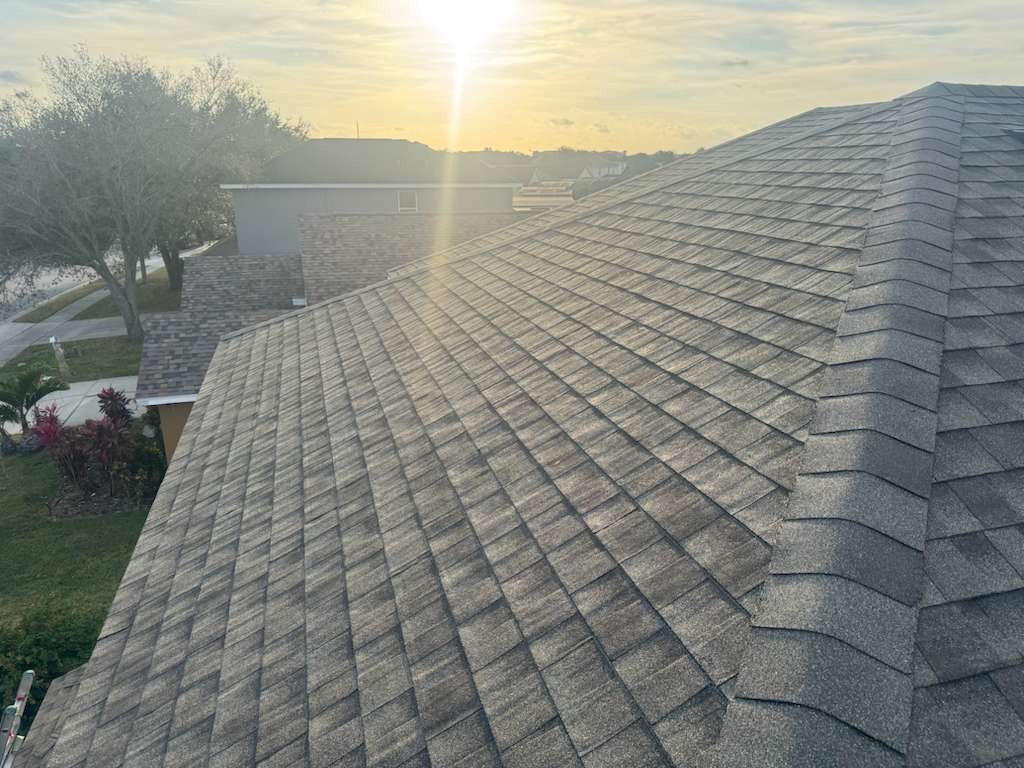
Metal roofing systems deliver the highest wind resistance. Interlocking standing seam panels are rated for winds up to 180 MPH. While asphalt shingles are cost-effective, they are inherently more vulnerable to wind lifting. Metal panels are the ultimate choice for a hurricane roof reinforcement project.
The comparative performance parameters below highlight why premium materials provide superior defense in South Florida.
| Roofing Material Class | Wind Uplift Resistance | Average Lifespan | Impact Resistance Rating | Salt Spray Protection | Workmanship Warranty |
|---|---|---|---|---|---|
| Standing Seam Metal | Up to 180 MPH | 50 - 70+ Years | UL 2218 Class 4 (Elite) | Excellent (Aluminum) | 25 Years (System) |
| Architectural Shingle | Up to 130 MPH | 15 - 20 Years | UL 2218 Class 3 | Moderate | 10 - 15 Years |
| Clay Barrel Tile | Up to 150 MPH | 50 - 80 Years | Class 3 (Brittle) | Excellent | 20 Years |
| Commercial TPO Flat | Up to 160 MPH | 20 - 25 Years | Class 4 | Excellent | 20 Years (NDL) |
How Do Local Wind Codes Affect Structural Roof Design?
Under the unforgiving Florida Building Code, roofing systems in high-velocity hurricane zones (HVHZ) must meet strict uplift resistance standards. Every professional hurricane roof reinforcement project must comply with ASCE 7 engineering wind contours. This ensures the roof can survive maximum local wind loads.
These calculations dictate your exact fastener spacing, deck attachment specs, and the testing requirements for all component approvals.
Regional Wind Load Standards in South Florida
Broward County mandates roofs rated for 170+ MPH. Palm Beach and Martin counties require 160+ MPH ratings. Incorporating these strict standards into your hurricane roof reinforcement design ensures complete compliance with local building departments. Structuring your hurricane roof reinforcement according to local code guarantees structural safety and prevents costly inspection failures.
Related Services
To review our complete range of certified storm-defense solutions, explore these links:
- Learn about our premium Metal Roofing in Palm Beach County systems designed for coastal wind protection.
- Request an inspection for Residential Shingle Repair in Jupiter to patch wind damage.
- Upgrade your commercial property with high-performance TPO Flat Roof Replacement services.
- Extend the lifespan of your flat deck with elastomeric Commercial Roof Coatings.
Image Generation Prompt
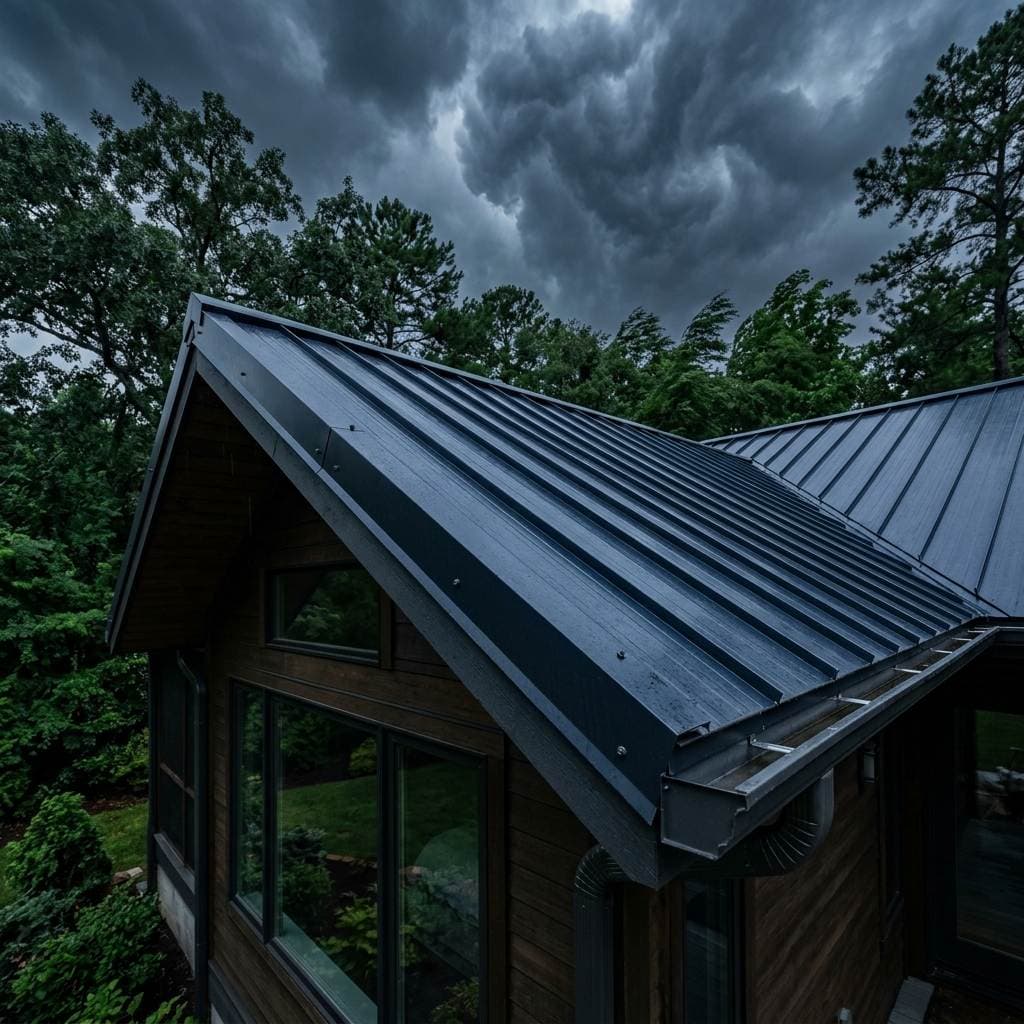
AI Image Prompt: A professional architectural close-up of a modern residential home featuring a newly reinforced metal standing seam roof under a dramatic stormy sky. Focus on the clean lines of the interlocking panels and heavy-duty hurricane-resistant trim. Minimalist composition with deep navy and emerald green accents, low angle perspective, clean and crisp.
[!TIP] Planning a Roof Replacement? Use our interactive Florida Roof Replacement Cost Calculator to get an instant satellite measurement and pricing estimate for your property.
Local Service Areas & Regional Coverage
Diversified Roofing Solutions provides certified residential and commercial roofing services across South Florida and the Treasure Coast, including Palm Beach County, Martin County, Broward County, and St. Lucie County.