To protect South Florida homes from thermal stress and catastrophic deck rot, establishing proper attic ventilation is an absolute, non-negotiable engineering standard. In our warm and humid climate, trapped attic heat easily hits 160°F. It literally bakes roofing shingles from underneath and causes premature aging. By combining continuous soffit intake vents with ridge exhaust systems, you create a natural airflow loop that keeps attic temperatures close to ambient outside levels. For homeowners in Palm Beach, Martin, and Broward counties, investing in proper attic ventilation prevents moisture buildup, slashes cooling bills, and protects the structural deck.
Table of Contents
- Why Is Proper Attic Ventilation Essential for Roof Durability?
- How Intake and Exhaust Vents Create Passive Airflow
- The Consequences of Trapped Attic Heat and Moisture
- Comparing Ventilation Systems: Ridge vs. Powered Fans
- How Ventilation Lowers South Florida Cooling Costs
- Related Services
Why Is Proper Attic Ventilation Essential for Roof Durability?
A system based on proper attic ventilation is essential because it regulates roof surface temperatures. It prevents the extreme thermal cycles that destroy asphalt shingles, dry out expensive underlayments, and cause roof sheathing panels to warp and lift.
Continuous passive airflow cools the decking, protecting asphalt adhesives and preventing premature shingle buckling.
Mitigating Heat Storage in Roof Systems
Attic spaces act as massive thermal storage batteries during brutal Florida summer days. Without proper attic ventilation, this heat transfers directly down into your living rooms and up through the decking, accelerating shingle granule loss. Installing proper attic ventilation breaks this heat transfer loop completely.
- Radiant Heat Transfer: High attic heat radiates downward through your ceiling drywall, stressing your AC.
- Deck Expansion: Excessive heat causes framing lumber to expand and pull nails out of the decking.
- Underlayment Ageing: High temperatures dry out underlayments, causing cracks and leaks.
How Intake and Exhaust Vents Create Passive Airflow
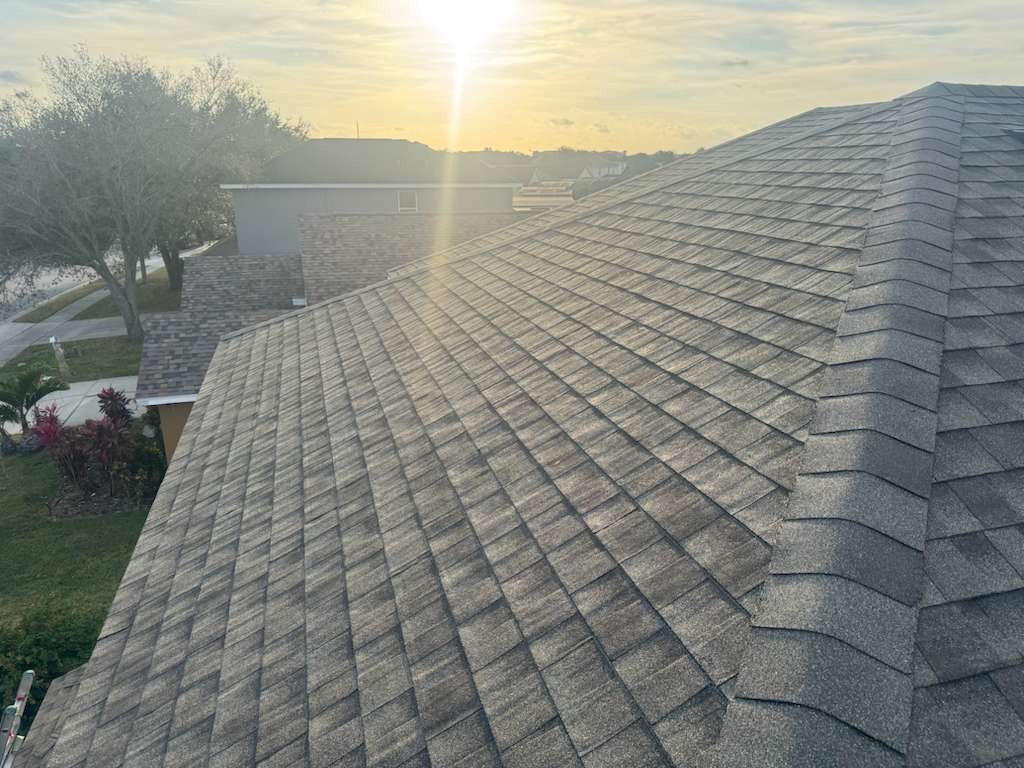
Passive ventilation relies on the natural convection of warm rising air. Balanced intake and exhaust vents are the secret to proper attic ventilation. They ensure cool air enters the soffits and hot air exhausts perfectly out the ridge vents.
This continuous airflow loop sweeps away warm, damp air. It consumes zero electricity and requires no mechanical maintenance.
Sizing Ventilation Ratios Correctly
Building codes require a minimum of 1 square foot of free vent area for every 300 square feet of attic space. Balancing this math is a mandatory step in proper attic ventilation design. It prevents dead air pockets. Applying this strict formula guarantees proper attic ventilation across large residential structures.
The Consequences of Trapped Attic Heat and Moisture
High humidity condenses directly on the underside of your plywood sheathing. This triggers toxic mold growth and destroys structural wood through rot. Resolving this nightmare requires proper attic ventilation to aggressively dry out framing joints and preserve your home's structural strength.
Excessive attic moisture also rusts deck fasteners. Rusted nails fail, instantly lowering your roof's wind uplift resistance during a hurricane.
Preventing Shingle Curling and Blistering
When attic heat cannot escape, it cooks shingles from below. It melts the seal strip and causes the edges to curl. Homeowners must maintain proper attic ventilation to preserve material warranties and prevent wind peel during storm season.
Comparing Ventilation Systems: Ridge vs. Powered Fans
Powered fans exhaust air actively, but they often suck expensive, conditioned air right out of your home. Continuous passive systems (ridge vents combined with soffits) remain the absolute gold standard for proper attic ventilation, providing massive, reliable airflow without burning electricity.
Review the comparative metrics below to select the right system for your property.
| Ventilation System Class | Airflow Source | Energy Consumption | Storm Rain Defense | Structural Lifespan | Maintenance Level |
|---|---|---|---|---|---|
| Ridge + Soffit (Passive) | Natural Convection | Zero (Eco-friendly) | Excellent (baffled design) | Lifetime (No moving parts) | Zero Maintenance |
| Powered Attic Fan | Electric Motor | High (adds to bill) | Moderate | 5 - 8 Years (motor replacement) | Moderate (sensor checks) |
| Off-Ridge Box Vent | Gravity Stack | Zero | Moderate | 20 - 25 Years | Low |
| Solar Attic Fan | Solar Panel | Zero | Good | 8 - 12 Years | Low |
How Ventilation Lowers South Florida Cooling Costs
Lowering your attic temperatures directly decreases the workload on your air conditioning unit. Investing in proper attic ventilation provides permanent energy savings and extends your HVAC system's operational lifespan.
A cooler attic prevents thermal transfer into your living areas. It keeps your home comfortable during peak afternoon heat hours.
Maximizing Home Energy Ratings
A cool attic keeps ceiling ductwork from reheating your cold AC air before it even reaches your rooms. Homeowners prioritizing proper attic ventilation enjoy immediate comfort gains and drastically lower monthly electric bills. Securing proper attic ventilation is the smartest investment you can make in structural longevity and thermal efficiency.
Related Services
To optimize attic ventilation and roof life, explore these links:
- Schedule a certified inspection for Asphalt Shingle Repair in Jupiter to evaluate decking conditions.
- Upgrade to premium Standing Seam Metal Roofing designed to dissipate heat efficiently.
- Request ventilation audits for Commercial Roofing flat deck projects.
- Extend commercial roof lifespans with high-reflectivity Silicone Roof Coatings.
dYZ" Image Generation Prompt
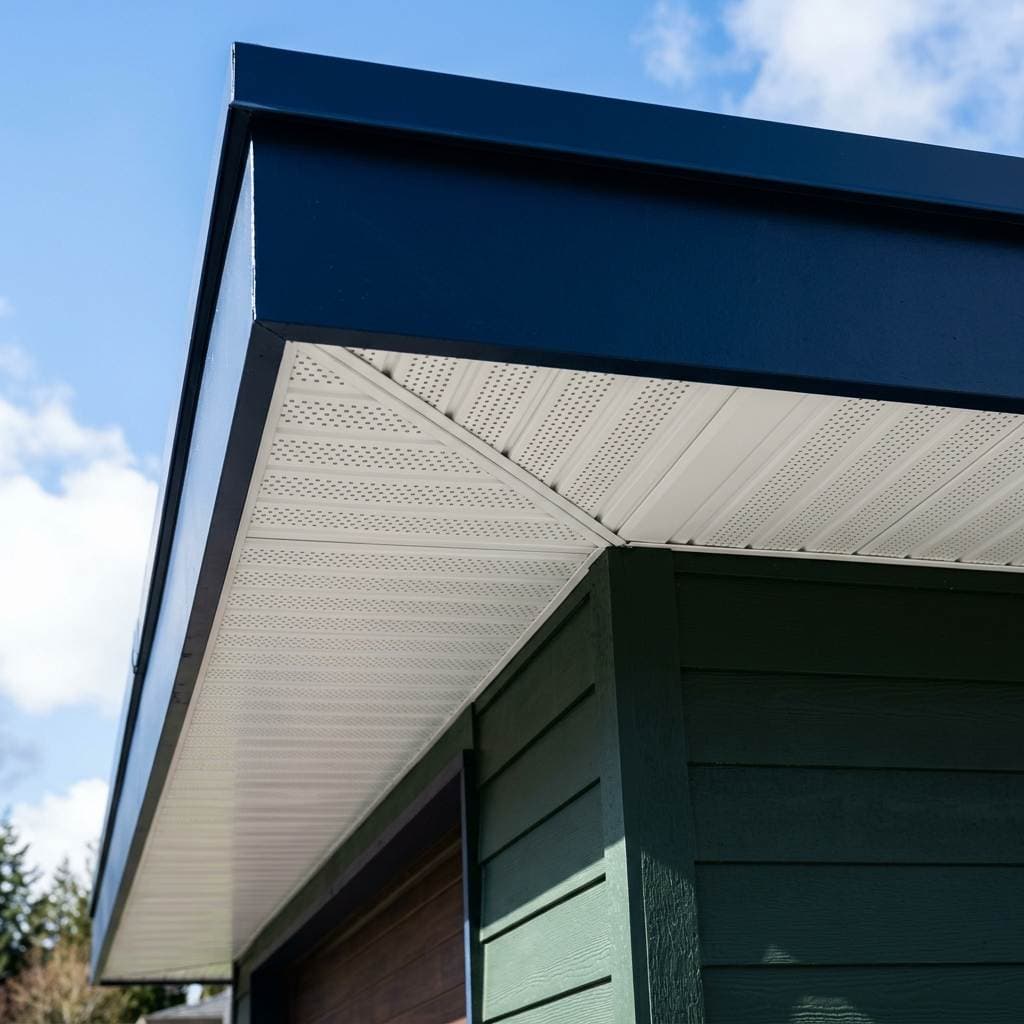
AI Image Prompt: A professional architectural detail shot showing the under-side of a roof overhang with clean, white aluminum soffit intake vents. Sunlight plays across the building exterior. Minimalist, high-contrast composition featuring a deep navy blue and forest green color theme, clear daylight, sharp architectural focus.
[!TIP] Planning a Roof Replacement? Use our interactive Florida Roof Replacement Cost Calculator to get an instant satellite measurement and pricing estimate for your property.
Local Service Areas & Regional Coverage
Diversified Roofing Solutions provides certified residential and commercial roofing services across South Florida and the Treasure Coast, including Palm Beach County, Martin County, Broward County, and St. Lucie County.ty).