Investing in a premium sloped roofing system near the ocean demands strategy. You must evaluate the metal roof corrosion resistance of different alloys to avoid premature rust. South Florida's high-salinity air shows no mercy. It breaks down standard metal panels rapidly, triggering oxidation and structural fatigue.
Understanding how coating systems, alloy selections, and environmental exposures determine the metal roof corrosion resistance rating guarantees a lifetime installation. Property owners in coastal areas of Palm Beach, Martin, and Broward counties must verify their chosen alloy provides maximum metal roof corrosion resistance. That is the only way to secure manufacturer warranty coverage.
Chemical Factors That Determine Metal Roof Corrosion Resistance
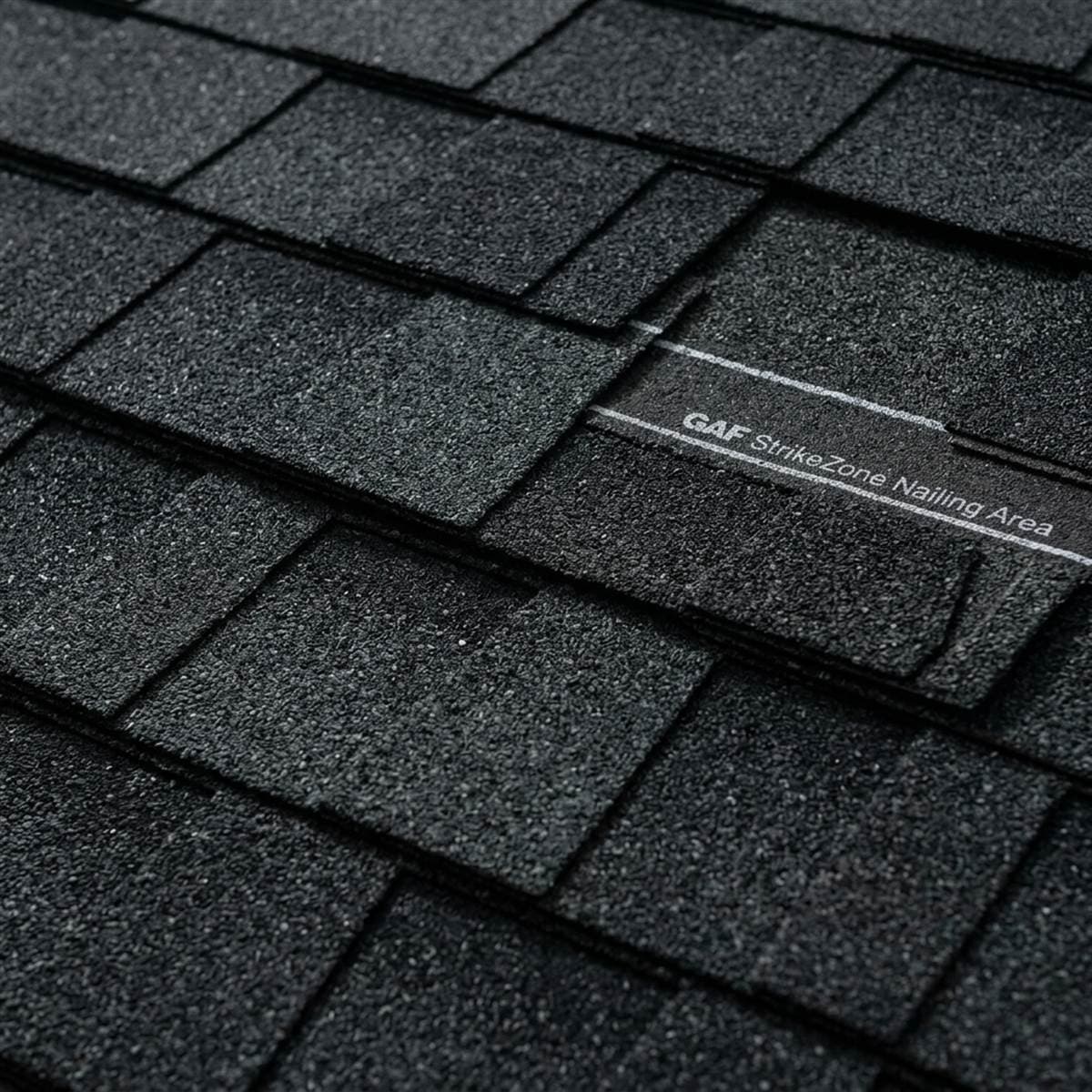
The chemical reaction between airborne salt particles and metal alloys dictates your overall metal roof corrosion resistance level. Standard galvanized steel relies on a thin zinc coating. It corrodes fast in salt spray. Marine-grade aluminum forms a protective oxide layer that stops rust cold.
Property owners who install certified residential metal roofing options invest in specialized alloys. These metals are engineered to prevent chemical breakdowns. They ensure sloped panels survive the relentless demands of coastal marine environments.
Galvanic Reactions and Dissimilar Metal Contact
Let different metal types touch under wet, salty conditions? You create galvanic corrosion. It degrades metal roof corrosion resistance immediately. For example, running copper piping over a steel roof triggers a chemical current that dissolves the zinc coating fast. Proper isolation between metals is non-negotiable to maintain a high metal roof corrosion resistance index.
- Fastener Material: Stainless steel or coated carbon steel fasteners must match the panel type perfectly.
- Neoprene Washers: Act as a physical washer barrier. They prevent metal-to-metal galvanic contact.
- Runoff Avoidance: Never drain water from copper AC pipes directly onto Galvalume surfaces.
Protecting Panel Edges: How Cut Edges Affect Durability
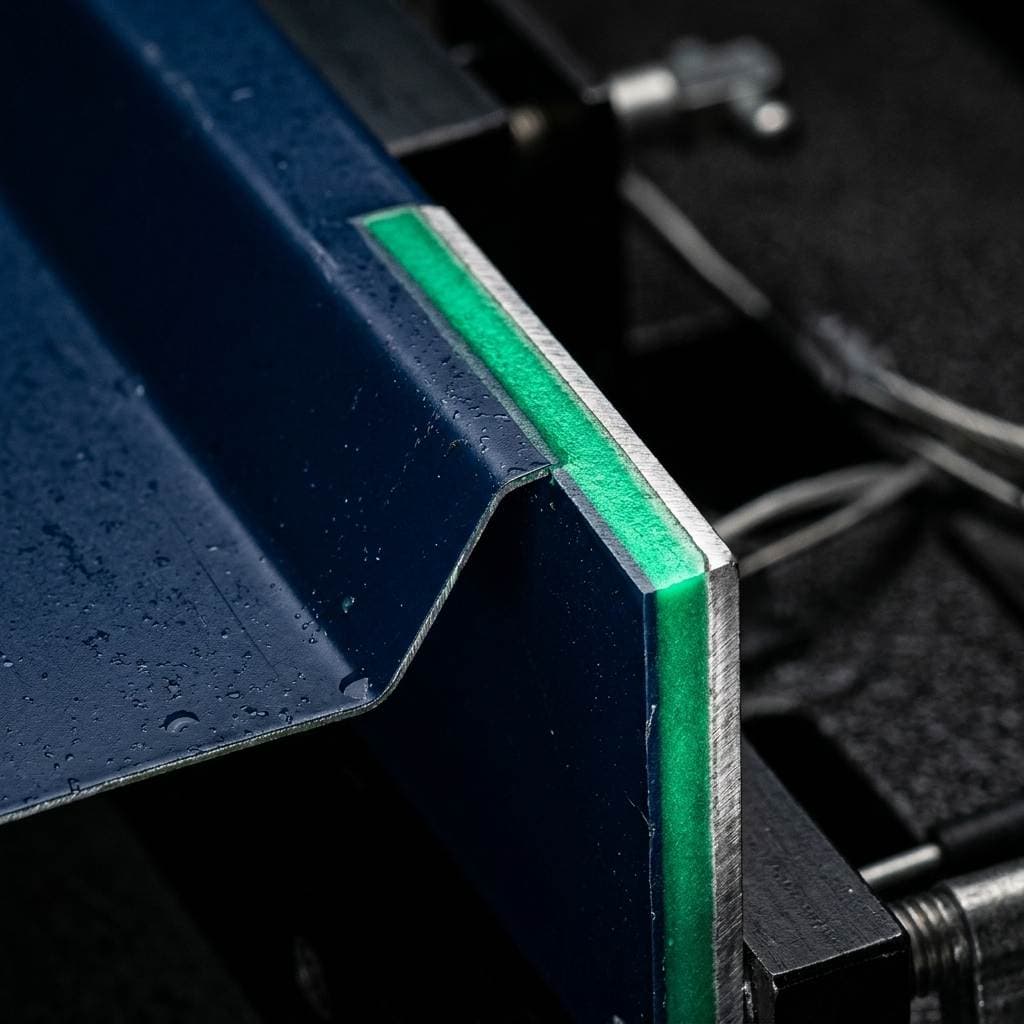
Shearing panels during installation creates exposed, unprotected steel edges. These cuts test the extreme limits of metal roof corrosion resistance. On Galvalume roofs near the shoreline, raw cuts rust rapidly. Salt creeps straight under the paint finish. Selecting non-ferrous materials like aluminum remains the absolute best way to maintain metal roof corrosion resistance along all cut lines.
- Factory Edges: Coated with protective coatings during fabrication. This ensures edge seal integrity.
- Field Cuts: Installers must use shears or nibblers. Saws create heat damage that ruins coatings.
- Aluminum Edge Shield: Aluminum naturally forms a self-healing oxide barrier over exposed cuts.
Anti-Corrosion Edge Sealants and Paint Systems
Applying edge sealants immediately after cutting panels protects the steel core. It preserves the metal roof corrosion resistance rating. High-build primer coats and Kynar 500 paint systems act as impenetrable barriers. They prevent moisture and salt from contacting the underlying metal, ensuring total metal roof corrosion resistance.
Manufacturer Warranties and Proximity to Saltwater
Manufacturer warranties are directly tied to the verified metal roof corrosion resistance of the material base. Install steel panels within 1,500 feet of saltwater? Most manufacturers void corrosion damage coverage instantly. Choosing marine-grade aluminum ensures your warranty remains bulletproof. Your metal roof corrosion resistance remains fully guaranteed by the factory.
Regular Rinsing Protocols and Property Maintenance
Washing salt buildup off the panels is highly effective. It preserves your metal roof corrosion resistance. Simple fresh water rinses remove salt deposits from seams and valleys. It prevents localized pitting and extends your metal roof corrosion resistance by decades.
Sloped Alloy Longevity & Corrosion Matrix
This table demonstrates the brutal comparative metrics between common architectural sloped alloys in saltwater zones:
| Sloped Alloy Base | Coastal Corrosion Index | Waterfront Warranty | Average Coastal Service Life | Edge Cut Resistance |
|---|---|---|---|---|
| Marine Aluminum (3105) | Excellent (Oxide Shield) | Yes (Full 20-Year Coastal) | 50+ Years (Rust-Proof) | Excellent (Self-Heals) |
| 24-Gauge Galvalume | Moderate (Edge Cut Rust) | No (Restricted close to ocean) | 30 - 40 Years | Fair (Zinc sacrifices itself) |
| Galvanized Steel (G90) | Poor (Zinc layer thin) | No (Voided near coast) | 15 - 20 Years | Poor (Exposes steel base) |
| Copper Sloped Sheets | Excellent (Patina Barrier) | Yes (Unpainted natural copper) | 100+ Years | Excellent (Oxide Shield) |
Conclusion on Metal Roof Corrosion Resistance
Achieving lifetime performance in coastal climates requires analyzing environmental exposures and deploying marine-grade materials. Work with a certified local specialist. Ensure your sloped panels are engineered to withstand extreme South Florida marine elements.
Local Service & Contact Signals
Diversified Roofing Solutions provides certified sloped and flat roof inspections, maintenance, and installations across South Florida. Contact our Jupiter headquarters for emergency support or a free sloped roof assessment.
Diversified Roofing Solutions, Inc.
📍 1829 Park Ln S, Suite 8, Jupiter, FL 33458
📞 (561) 841-5676
✉️ info@diversifiedroofingfl.com
Local Service Areas & Regional Coverage
Diversified Roofing Solutions provides certified residential and commercial roofing services across South Florida and the Treasure Coast, including Palm Beach County, Martin County, Broward County, and St. Lucie County.