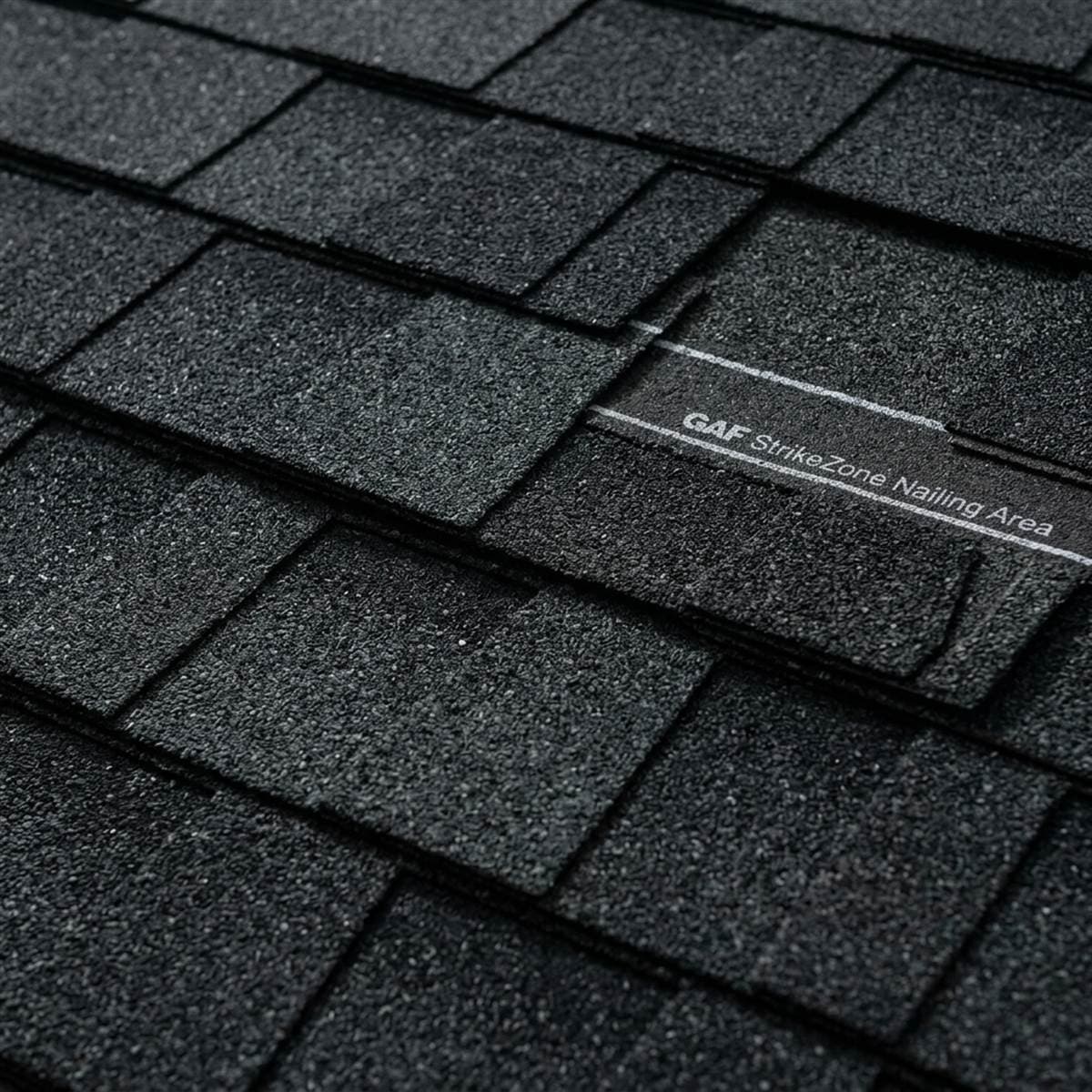
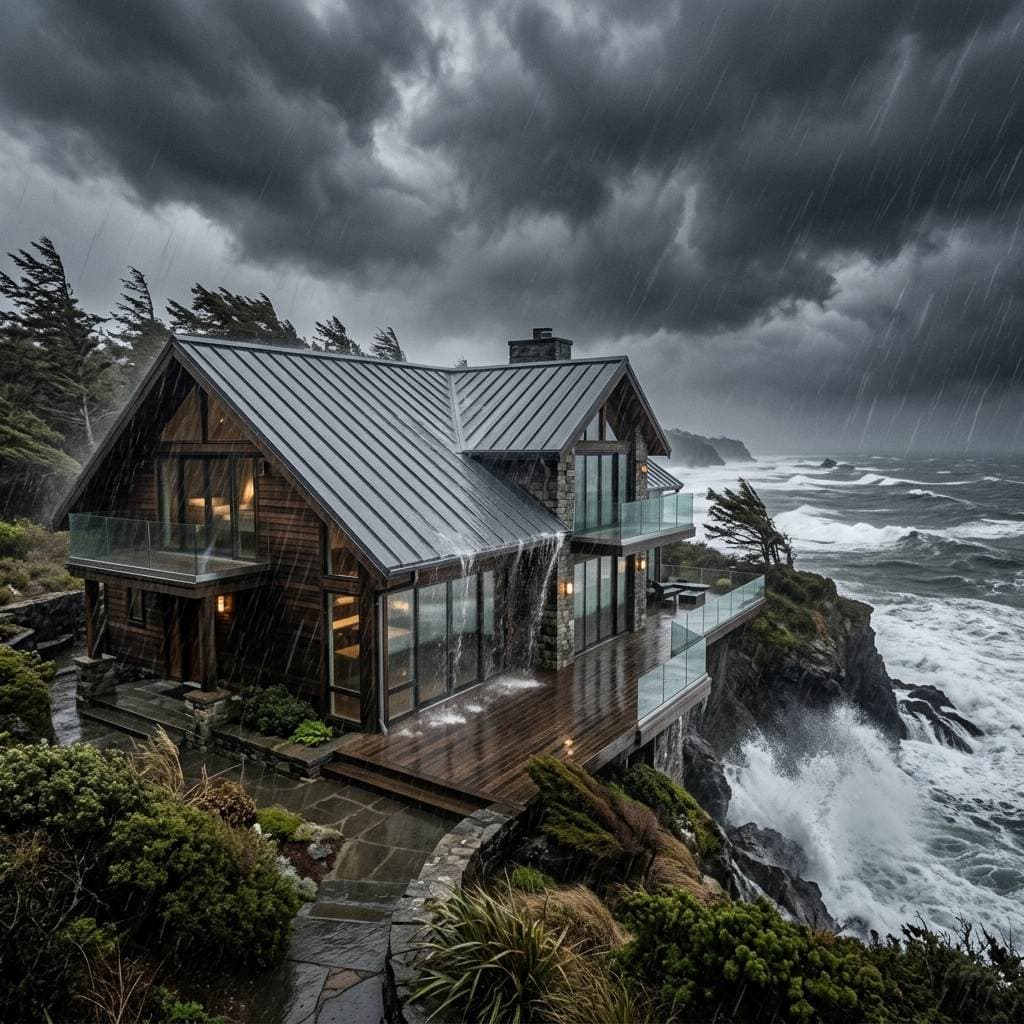
When storm season approaches in South Florida, securing your home with a metal roof offers the ultimate defense against severe weather. Hurricanes, tropical storms, and heavy downpours are only getting more frequent. Homeowners must prioritize the structural integrity of their roofs. With local expertise, we know exactly what it takes to protect South Florida homes. We explain how a metal roof provides maximum storm resistance. Compare wind uplift limits, hail impact ratings, and lightning safety features to keep your family protected.
Hurricane-Force Wind Resistance of a metal roof
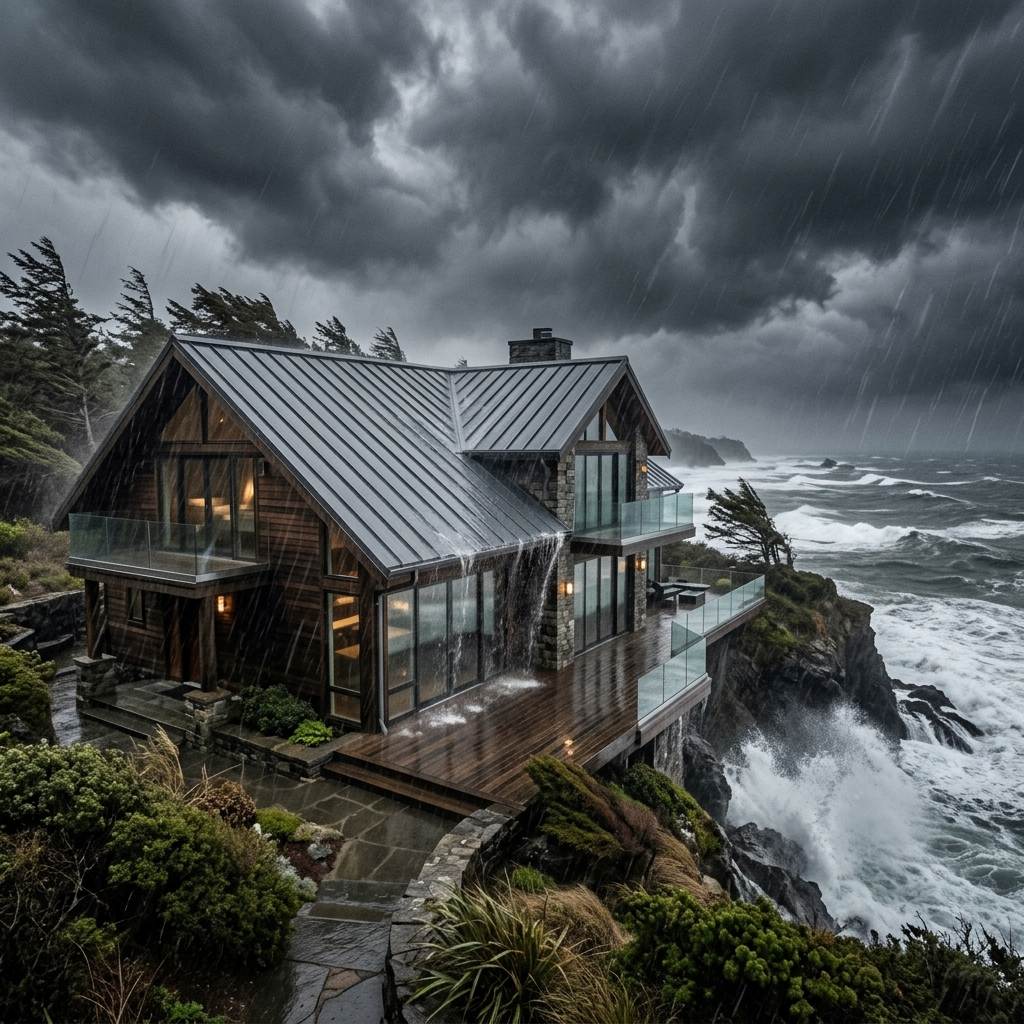
South Florida building codes enforce the strictest wind uplift resistance in the nation. During a hurricane, high-speed winds rushing over a roof create a violent vacuum effect. It pulls straight upward on the cladding. Aerodynamically, wind passing over a sloped roof acts like an airplane wing. It generates a powerful low-pressure zone directly above the panel surface.
This suction force easily rips lighter shingles right off the deck. The continuous panel design of standing seam systems stops this lift cold. There are no exposed joints for the wind to grab. This engineering ensures a standing seam metal roof does not lift under severe pressures. These systems carry wind ratings up to 160 mph. Because the panels lock into the deck with concealed sliding clips, they withstand wind forces that would shred a shingle roof to pieces.
Hail Protection and a metal roof
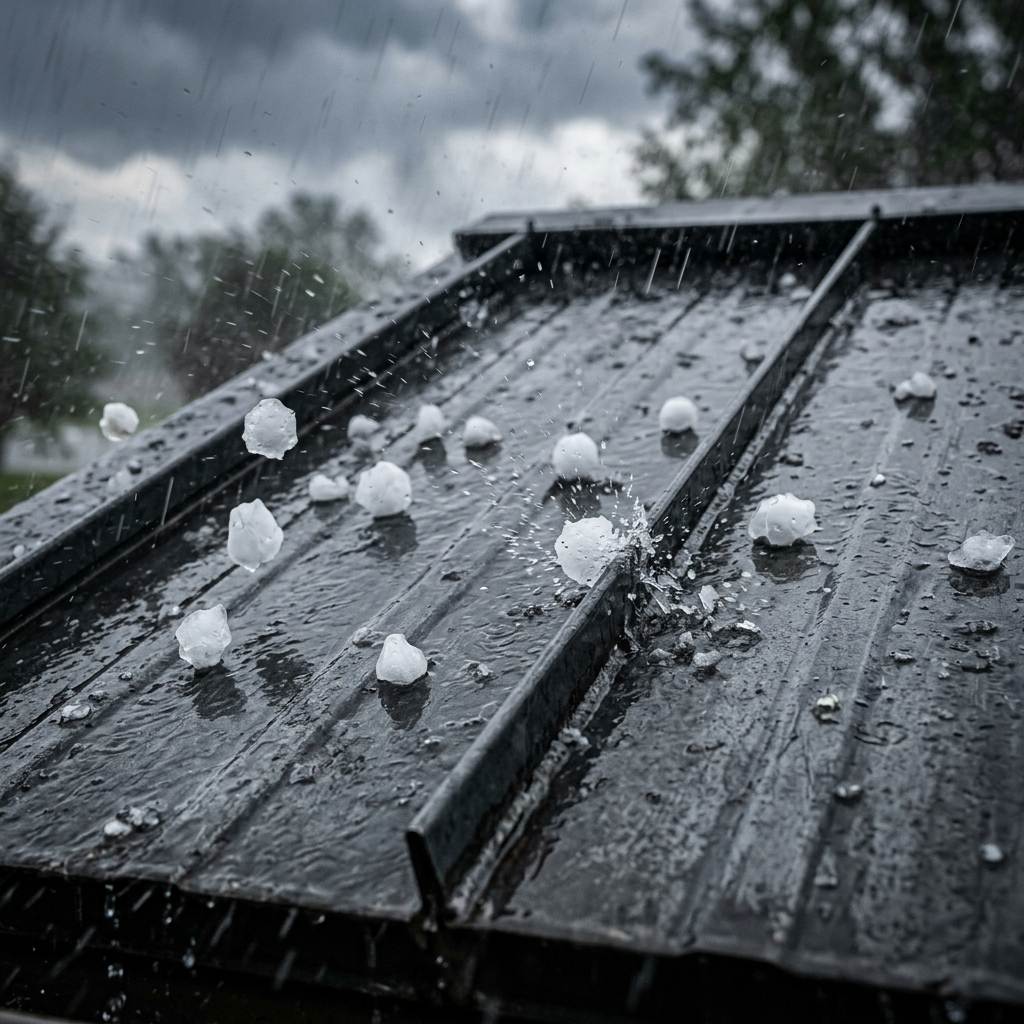
Summer thunderstorms frequently hurl damaging hail. Most roofing materials crack or lose their protective coatings under large hailstones. That immediately causes leaks.
Metal panels are forged from thick steel or aluminum. They carry a Class 4 impact resistance rating. That is the highest rating available on the market. Testing drops steel balls onto the panels from extreme heights to verify resistance. Class 4 impact resistance ensures a metal roof does not crack under heavy hail. It absorbs the impact energy without puncturing the metal barrier. Homeowners might spot minor cosmetic dents after a severe storm. But the system remains completely watertight. Structural performance remains untouched.
Lightning Safety of a metal roof
A common myth claims a metal canopy attracts lightning strikes during a storm. It does not. Lightning strikes the tallest structure in the area, regardless of the material. If your home takes a hit, a conductive metal roof disperses electrical energy safely straight to the ground. It prevents the concentrated heat that easily ignites attic fires in wood-framed structures. Because the metal creates a path of least resistance, it carries the current harmlessly away.
A non-combustible metal roof also carries a Class A fire rating. This is the highest fire-resistance rating available. Fire safety is critical in areas prone to lightning strikes, where falling embers ignite organic roofs. In residential neighborhoods, burning wood embers drift hundreds of feet onto surrounding homes. A non-combustible exterior prevents these drifting embers from ever igniting your home.
Water Protection of a metal roof
Torrential rains easily drive water straight underneath overlapping tiles or shingles. Standing seam systems block this lateral water intrusion by interlocking the panel joints at least one inch above the drainage plane.
This high-joint design ensures standing water flows right off the roof slope before it ever reaches the underlayment. Certified installers also lay down a secondary self-adhering water barrier membrane across the entire wood deck. This self-sealing peel-and-stick layer acts as the final watertight defense. It seals completely around nail penetrations. If Category 5 wind pressures somehow force moisture past the metal joints, the attic stays dry. It prevents catastrophic leaks and structural damage. Sealed valleys on a metal roof also prevent water from ponding and rotting the wood along critical intersections, ensuring the roof deck survives.
Plan Your High-Performance Upgrade
Upgrading your home's exterior is the single most effective way to secure wind mitigation discounts and protect your property. Before scheduling your project, check our guide on does a metal roof interfere with wi-fi to optimize your home network.
Follow our checklist for metal roof maintenance to preserve the finish. Explore the different residential metal roofing styles to choose between standing seam and metal shingle profiles.
Peace of Mind in Any Weather
Asphalt is common. Investing in a metal roof is the best storm-proofing decision you can make for a Florida home. The raw strength, longevity, and weather resistance of these premium systems guarantee your home stays safe during the absolute worst weather.
Contact us today to schedule a consultation. Upgrade your property with a wind-resistant steel canopy. Our certified team is ready to inspect your home, provide detailed cost estimates, and help you design a system engineered for total storm protection.
Protect your home with high-wind rated standing seam panels.
[!TIP] Planning a Roof Replacement? Use our interactive Florida Roof Replacement Cost Calculator to get an instant satellite measurement and pricing estimate for your property.
Local Service Areas & Regional Coverage
Diversified Roofing Solutions provides certified residential and commercial roofing services across South Florida and the Treasure Coast, including Palm Beach County, Martin County, Broward County, and St. Lucie County.