Managing commercial building envelopes in South Florida is relentless work. You must deploy a structured modified bitumen maintenance program to stop premature ultraviolet (UV) degradation cold. The brutal tropical sun routinely blasts flat roofs up to 160°F. This intense heat accelerates asphalt oxidation, strips away granular surfacing, and triggers massive membrane cracking.
A proactive modified bitumen maintenance routine saves your budget. Schedule those semi-annual inspections. Execute those minor repairs. Identify weak flashing points and split seams before they become catastrophic structural leaks. In Palm Beach, Martin, and Broward counties, strict modified bitumen maintenance extends roof life and completely avoids massive premature tear-off costs.
How UV Radiation Triggers the Need for Modified Bitumen Maintenance
Relentless solar radiation chemically destroys asphalt molecules. It breaks down the critical rubberized polymer modifiers that give the sheet its flexibility. Skip your consistent modified bitumen maintenance? The membrane dries out fast. It turns brittle. It starts to 'alligator' under the intense Florida sun, completely ruining your waterproofing.
Property managers overseeing modified bitumen roofing systems must protect their assets. Schedule those routine inspections immediately. Catch thermal wear early before it translates into destructive building envelope leaks.
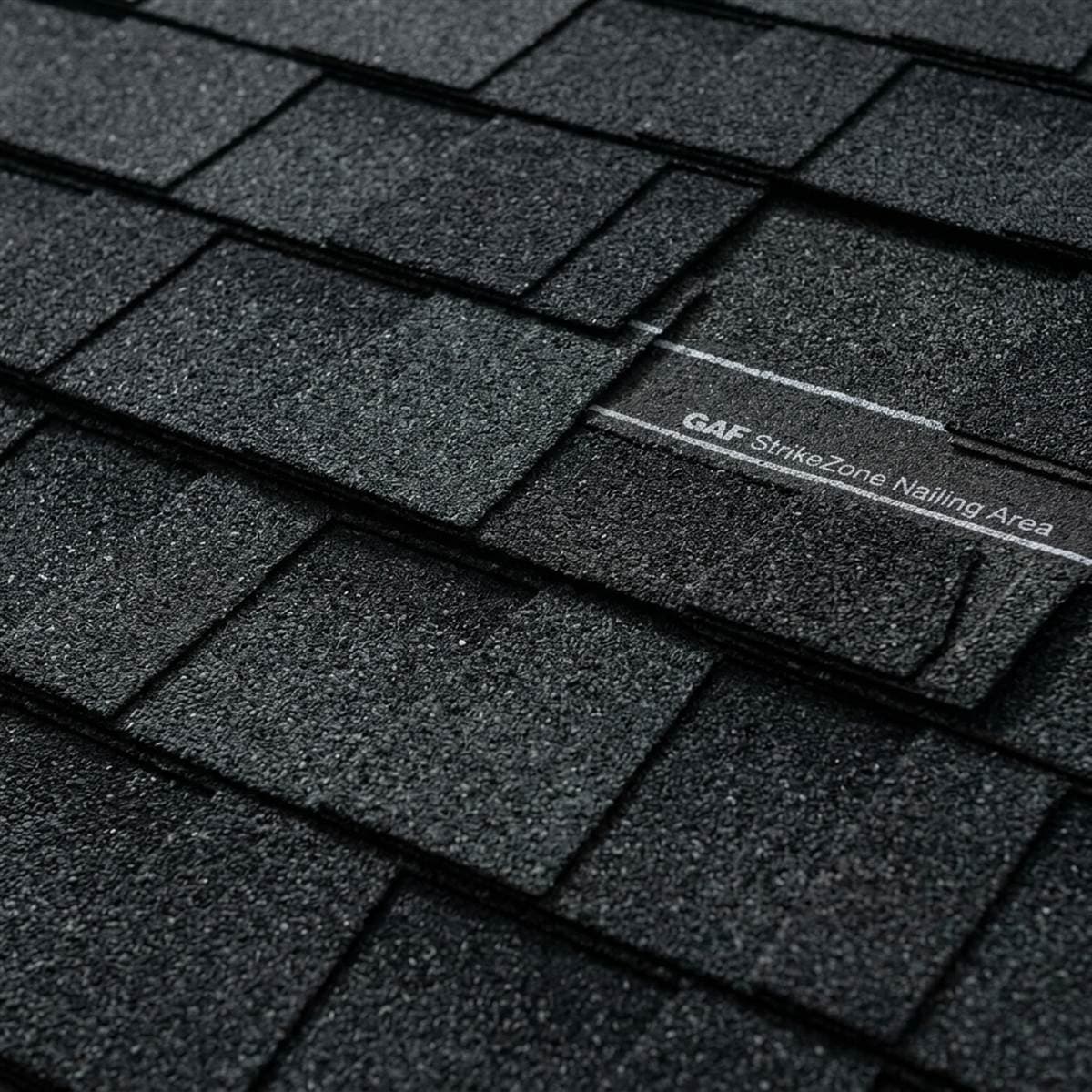
Granular Surface Loss and Asphalt Exposure
The mineral granules embedded on the top cap sheet act as your primary armor against UV rays. When heavy rains wash those granules away, the bare asphalt takes direct hits from sunlight. This makes immediate modified bitumen maintenance absolutely critical. Apply sacrificial granules. Roll out liquid-applied coatings. Restore this protective boundary immediately to protect the structural deck.
- Granular Shedding: Driven by heavy rain erosion, foot traffic, and daily thermal expansion cycles.
- Asphalt Blistering: Trapped moisture under bare spots vaporizes under UV heat, creating weak blisters.
- Edge Delamination: Bare asphalt edges curl violently, allowing high winds to peel the sheets right off.
What Are the Preventative Protocols in Modified Bitumen Maintenance?
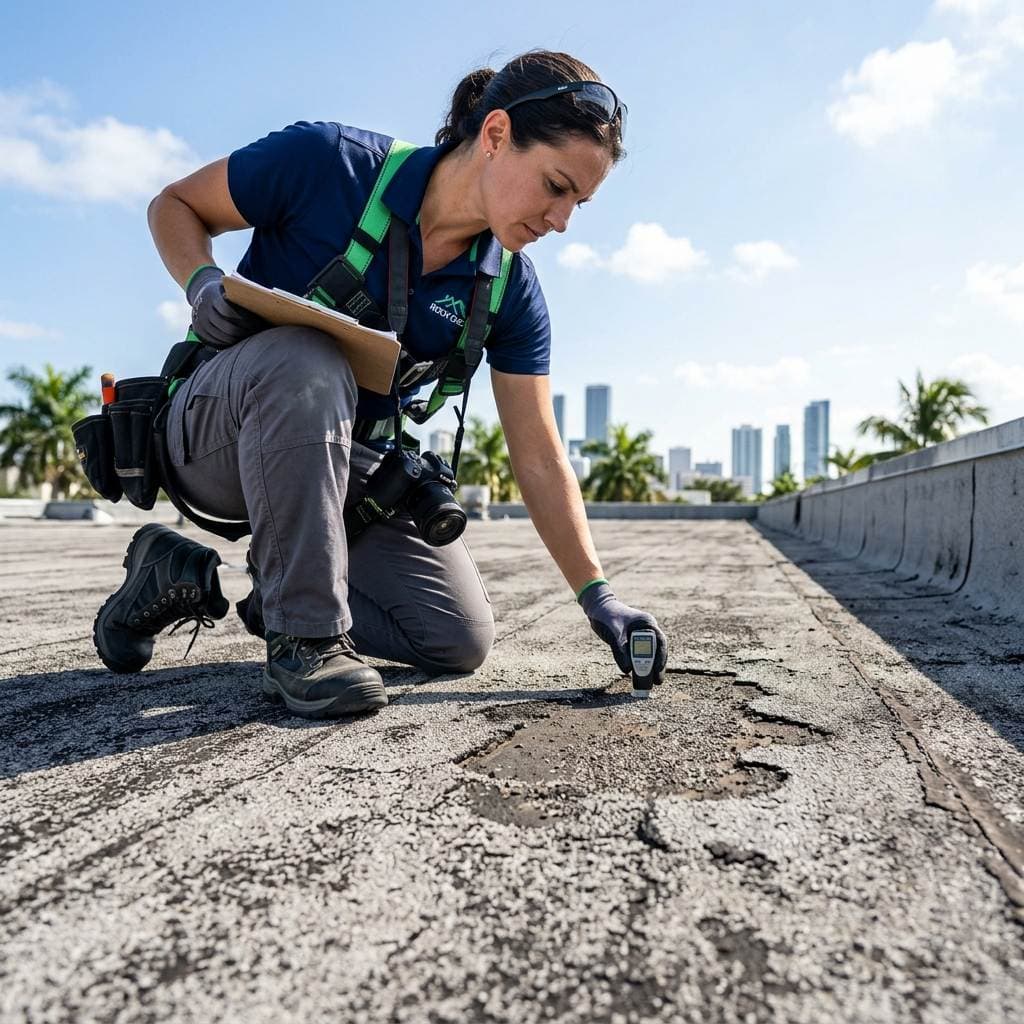
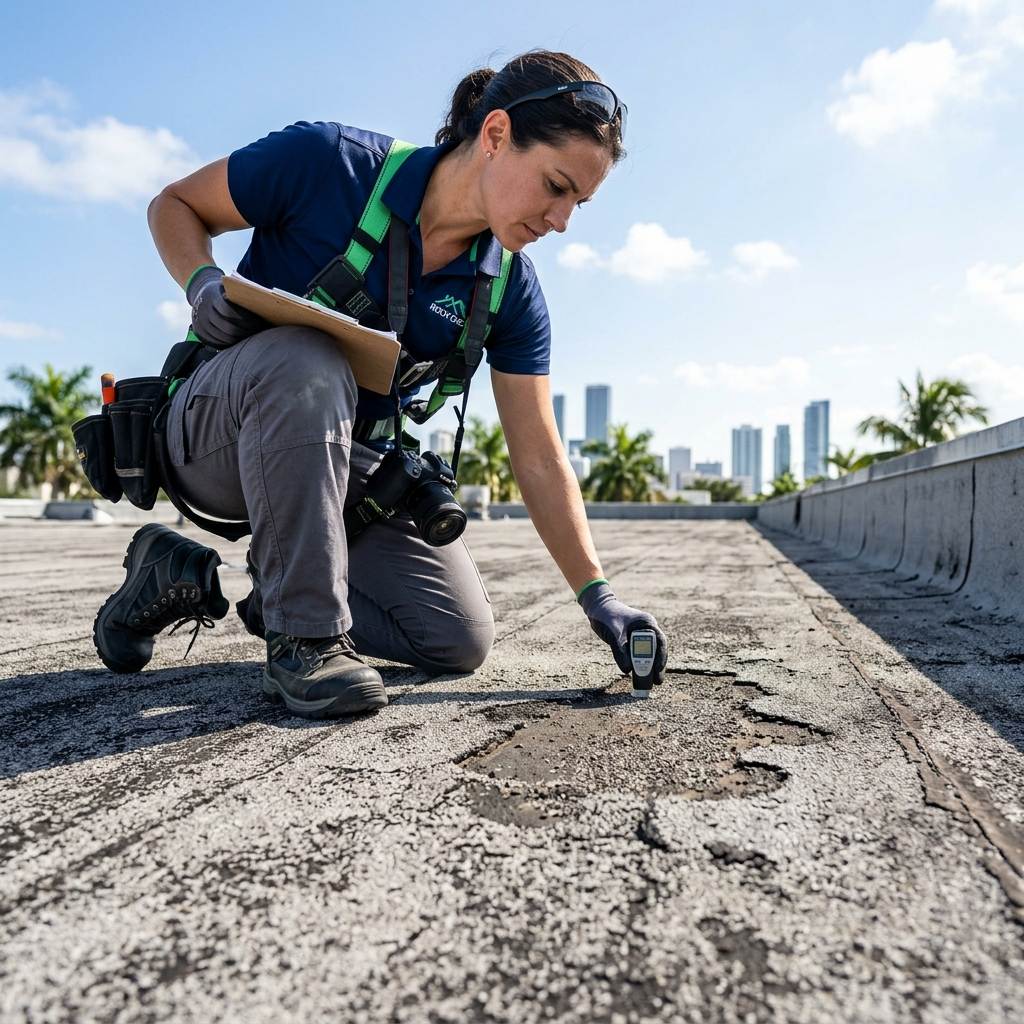
Executing highly targeted inspections is the most cost-effective way to run a successful modified bitumen maintenance plan. Drill down into specific focus areas: roof drainage clearance, parapet wall flashing checks, and structural movement joints.
- Clear Drainage Systems: Keep scuppers, outlets, and gutters completely clear of heavy regional foliage and debris.
- Evaluate Flashing Seals: Inspect parapet wall counter-flashings and pitch pans for sealant cracks.
- Perform Core Scans: Deploy thermal imaging. Locate wet insulation board before the seams split open.
Seam Inspections and Lap Joint Reinforcement
Asphalt cycles violently through daily hot and cold phases. Seams expand and contract, putting massive stress on lap joints. During a standard modified bitumen maintenance inspection, technicians hunt for open seams. We apply heavy-duty elastomeric sealants or hot-air patches to lock joints down tight. Stabilizing these seams stops water from creeping beneath the sheets entirely.
How Do You Utilize Coatings to Enhance Modified Bitumen Maintenance?
Deploying liquid-applied silicone or acrylic coatings is the most effective upgrade for your modified bitumen maintenance program. Brilliant white coatings reflect up to 85% of incoming solar heat. This drops roof deck temperatures dramatically and stops UV degradation in its tracks. Coating the roof slashes building cooling bills and greatly simplifies future modified bitumen maintenance tasks.
Thermal Shock Reduction and Roof Stabilization
Stabilizing roof temperatures kills the expanding stress that destroys structural joints. Integrating premium white coatings into your modified bitumen maintenance routine prevents thermal expansion cracks. It ensures the asphalt system remains dead stable over decades of use.
What Is the Life Cycle Cost and ROI of Routine Maintenance?
Investing in routine modified bitumen maintenance delivers a massive return on investment. You literally double the useful service life of your flat roof. Ignore basic care? Expect ruined insulation and structure leaks within 10 years. Dedicated modified bitumen maintenance secures a full 20 to 25-year service life. This capital protection is standard operating procedure for elite property managers in Stuart, Fort Lauderdale, and Jupiter.
Manufacturer Warranty Compliance and Record Keeping
Commercial warranties are strict. Most require documented modified bitumen maintenance logs to keep coverage active. Maintain thorough records. If structural issues ever arise, the manufacturer remains legally obligated to cover your repair costs.
Flat Roof Maintenance Checklist
This table breaks down the critical checklist items required for South Florida modified bitumen inspections:
| Roof Component | Inspection Focus | Proactive Maintenance Task | Priority / Frequency |
|---|---|---|---|
| Cap Sheet Surface | Granular loss / Alligatoring | Apply reflective silicone cool coating | High (Semi-Annual) |
| Lap Seams | splits / Cold welds / Delamination | Re-torch open laps or apply seam tape | High (Semi-Annual) |
| Parapet Walls | Flashing cracks / Counter-flashing splits | Apply flashing cement and reinforcing mesh | Medium (Annual) |
| Roof Drains | Clogs / Ponding water near scuppers | Clear regional leaf debris and silt buildup | Critical (Pre-Storm Season) |
| Rooftop AC Units | Vibration cracks / Drain pan overflows | Install rubber vibration pads and clear AC lines | Medium (Annual) |
Conclusion on Proactive Roof Care
Protecting your flat roof from Florida's extreme environmental elements takes commitment. Routine inspections and swift restoration are the only ways to survive. Partner with a certified local roofing team. Establish a custom, ironclad maintenance program for your commercial facility today.
Local Service & Contact Signals
Diversified Roofing Solutions delivers certified flat roof inspections, maintenance, and installations across South Florida. Contact our Jupiter headquarters for emergency support or a free commercial flat roof assessment.
Diversified Roofing Solutions, Inc.
📍 1829 Park Ln S, Suite 8, Jupiter, FL 33458
📞 (561) 841-5676
✉️ info@diversifiedroofingfl.com
[!TIP] Planning a Roof Replacement? Use our interactive Florida Roof Replacement Cost Calculator to get an instant satellite measurement and pricing estimate for your property.
Local Service Areas & Regional Coverage
Diversified Roofing Solutions delivers certified residential and commercial roofing across South Florida and the Treasure Coast, including Palm Beach County, Martin County, Broward County, and St. Lucie County.