Securing a state grant under the My Safe Florida Home (MSFH) program is a massive opportunity for Sunshine State residents. You fortify your home against destructive storms while getting paid to do it. The program hands out up to $10,000 in matching funds for crucial wind mitigation upgrades. But you must be strategic to maximize this financial incentive. You need to know exactly which MSFH covered roofing materials are fully eligible for reimbursement.
Asphalt shingles remain the standard budget choice across Florida. But premium metal roofing systems deliver absolute storm defense. We will compare impact-resistant shingles directly against metal systems. Choose the smartest option for your home. We'll also clarify why the program completely rejects standard shingle repair work in favor of total replacements.
What Are Eligible MSFH Covered Roofing Materials?
To unlock state grant cash, every installed product must clear strict Florida Building Code wind-uplift and impact standards. Picking MSFH covered roofing materials for your replacement means you cannot grab cheap, off-the-shelf products. The state only approves specific systems. They must survive brutal testing against hurricane-force winds.
The official list of approved MSFH covered roofing materials includes:
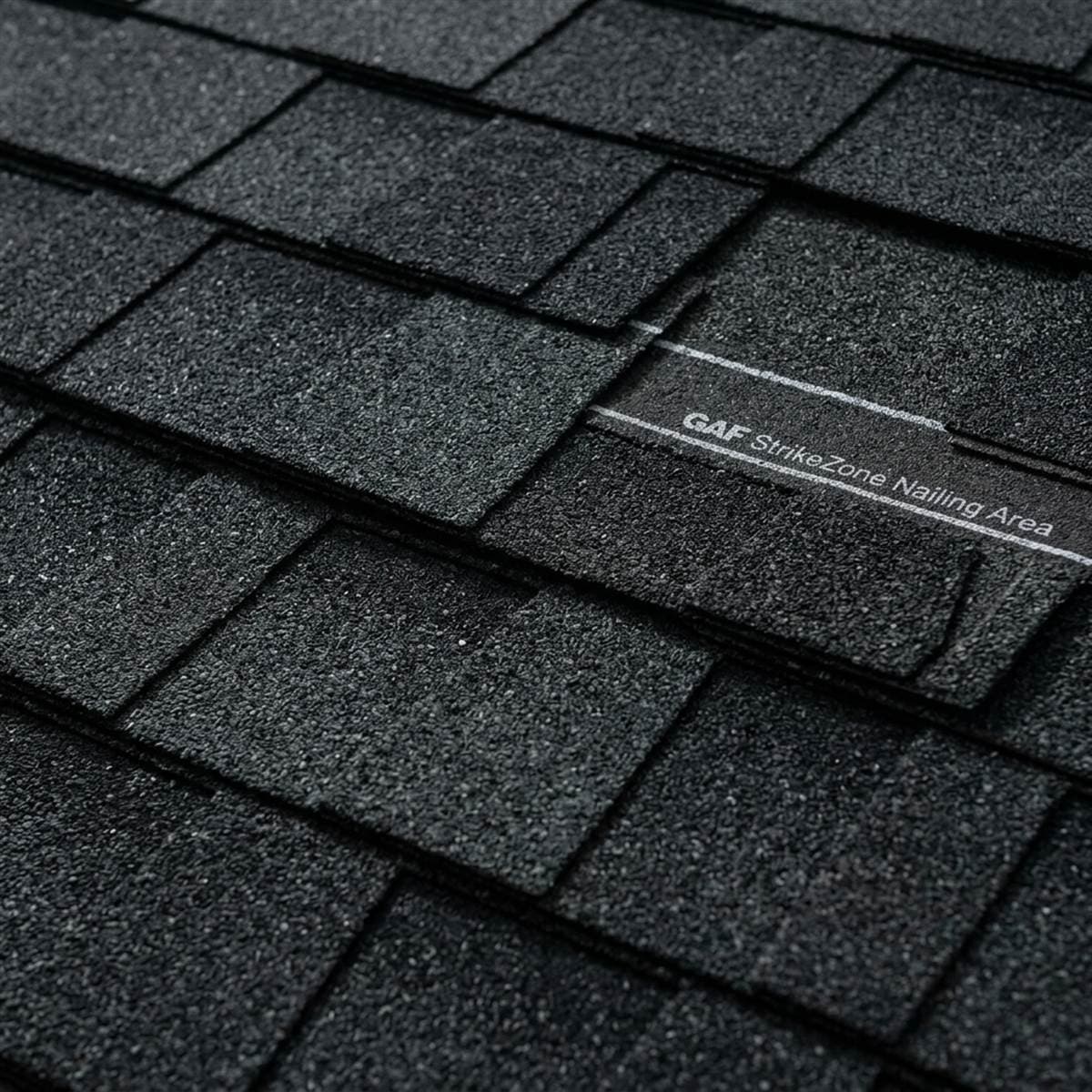
- Impact-Resistant Asphalt Shingles: Must be rated Class 4 (UL 2218) or Class F (ASTM D3161) to secure wind mitigation credits.
- Metal Roofing Panels: Standing seam or heavy exposed fastener systems carrying valid Florida Product Approvals.
- Concrete and Clay Tiles: High-wind-rated tile systems locked down using modern polyurethane foam adhesive.
- Secondary Water Barriers (SWR): Self-adhering polymer-modified bitumen sheets rolled directly over the roof deck joints.
Take note. The grant program absolutely requires a complete roof replacement to achieve full wind mitigation compliance. Homeowners trying to use state funds for localized shingle repair will get rejected immediately. The program does not cover minor maintenance or patching. It mandates a full structural upgrade. Mastering the types of MSFH covered roofing materials available helps you execute a flawless, fully-funded project.
Impact-Resistant Shingles vs. Metal Roofs: A Detailed Comparison
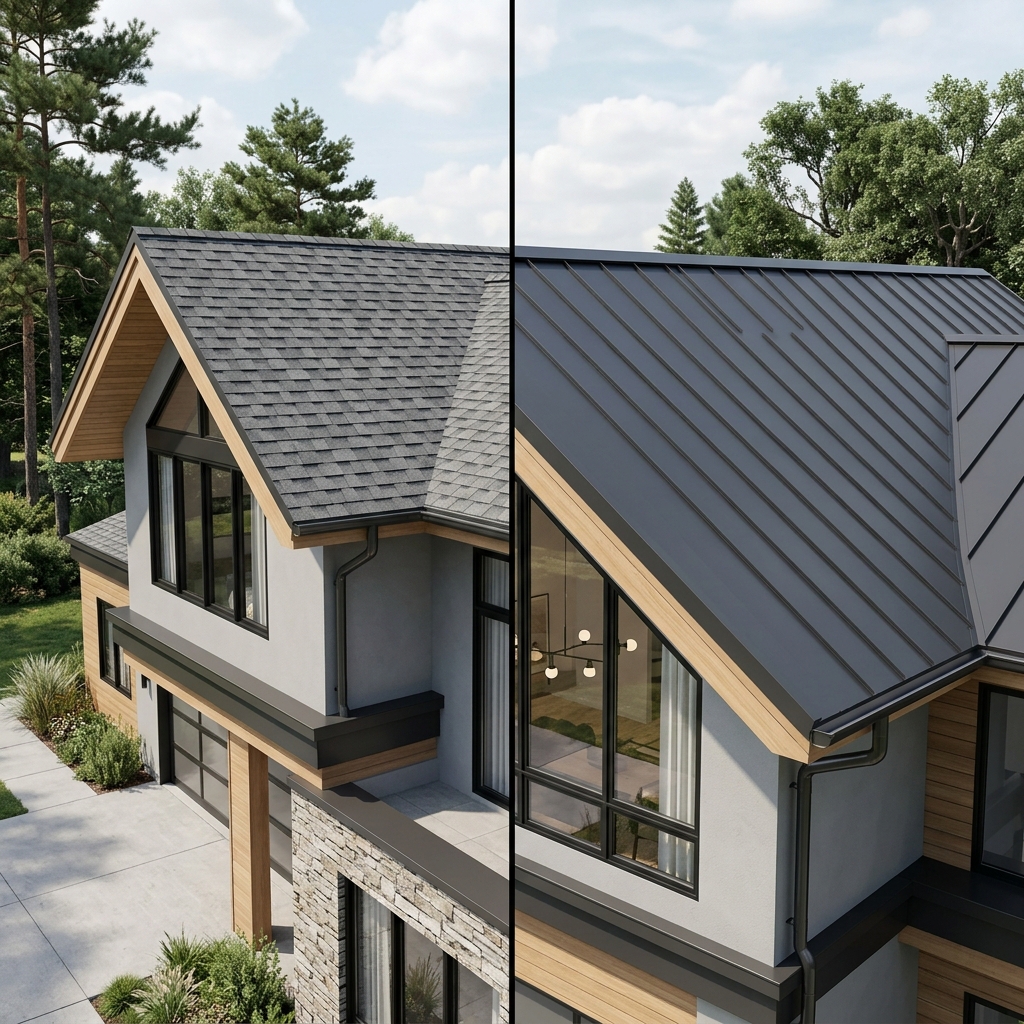
Comparing MSFH covered roofing materials demands assessing both upfront cost and long-term wind performance in extreme Florida conditions.
Class 4 Impact-Resistant Shingles
Class 4 shingles use heavy polymer-modified asphalt to absorb brutal impacts from storm debris.
- Wind Resistance: Rated for 110–130 MPH with enhanced nailing patterns.
- Lifespan: Expect 15 to 25 years under intense Florida UV rays and heavy humidity.
- Upfront Cost: Very economical. It keeps your initial installation expenses exceptionally low.
While resilient initially, shingles degrade drastically faster in tropical environments than steel.
Standing Seam Metal Roofing
Metal systems provide the absolute highest level of hurricane fortification.
- Wind Resistance: Engineered to take direct hits from winds exceeding 180+ MPH in High Velocity Hurricane Zones (HVHZ).
- Lifespan: Easily exceeds 50 to 70 years with virtually zero maintenance.
- Upfront Cost: A higher initial investment, but guarantees massively lower lifetime costs.
Metal reflects intense solar heat. That makes it one of the premier energy-efficient roofing materials available, slashing AC loads fast. The state approves specific MSFH covered roofing materials to ensure extreme long-term durability and efficiency.
Technical and Financial Comparison Table
We compiled a hard technical breakdown to help you compare your choices instantly. Remember, choosing approved MSFH covered roofing materials allows the grant to heavily offset your final out-of-pocket costs.
| Feature / Criteria | Class 4 Impact-Resistant Shingles | Standing Seam Metal Roofing | MSFH Grant Coverage Impact |
|---|---|---|---|
| Upfront Installation Cost | Moderate ($6.50 – $9.50 / sq. ft.) | Higher ($10.50 – $20.50 / sq. ft.) | 2-to-1 match covers up to $10,000 of total bill |
| Wind Resistance Rating | Up to 110 – 130 MPH | Up to 180+ MPH | Both qualify, but metal dominates wind ratings |
| Average Florida Lifespan | 15 – 25 Years | 50 – 70+ Years | Metal eliminates future replacement cycles entirely |
| Secondary Water Barrier (SWR) | Required for grant approval | Required for grant approval | Fully covered under the matching grant program |
| Insurance Premium Discount | 10% – 20% typical | 25% – 35% typical | Upgraded systems trigger massive mitigation credits |
The criteria for MSFH covered roofing materials is crystal clear. Every single component must work together seamlessly to kill wind uplift forces.
Wind Mitigation and Engineering Requirements
Building codes in storm-prone areas like Palm Beach and Martin counties are aggressively stringent. To get reimbursed, your installed roof must carry a valid Florida Product Approval that matches the post-construction wind inspection perfectly.
The biggest financial benefit of deploying standard MSFH covered roofing materials is the massive reduction in property insurance premiums. A certified wind mitigation inspection documents your new secondary water barrier and heavy roof-to-wall attachments. This translates directly into huge HO-3 policy discounts.
Choosing energy-efficient roofing materials like reflective metal or cool-roof shingles delivers dual benefits. You get state-backed wind resistance and you qualify for federal tax credits (Section 25C). Locking down exactly which MSFH covered roofing materials fit your location is step one.
How to Navigate the MSFH Process in Florida
Do not schedule work without following the state's exact procedure:
- Free Wind Inspection: Register online. Get your initial wind mitigation report fast.
- Select a Contractor: You must hire a licensed Florida roofing contractor officially registered in the MSFH portal.
- Get a Detailed Bid: Demand an estimate that details the exact wind mitigation upgrades line-by-line.
- Complete Installation: Tear off and replace the roof with certified materials and a full secondary water barrier.
- Final Inspection: Pass the rigorous post-construction inspection to unlock your reimbursement check.
A professional contractor certifies your MSFH covered roofing materials are installed strictly to local building codes. Upgrading to metal? Explore our premium residential metal roofing options to view our elite standing seam styles. Investing heavily in premium MSFH covered roofing materials guarantees your home survives when the next major storm hits.
Related Services and Local Coverage
Whether you need a routine inspection, a fast emergency leak repair, or a massive complete roof replacement, we handle it all. Discover our comprehensive residential roofing services and heavy-duty commercial roofing capabilities.
Diversified Roofing Solutions protects properties across South Florida and the Treasure Coast. Explore our core service areas in Palm Beach County, Martin County, Broward County, and St. Lucie County.