Designing commercial roof assemblies that face constant service foot traffic requires a heavy-duty approach. Selecting a multi-ply modified bitumen system delivers the exact structural durability you need to prevent puncture damage. Single-ply membranes like TPO and PVC puncture instantly if a technician drops a tool or drags heavy equipment without protective walkways. Multi-ply modified bitumen fights back. It uses multiple, stacked layers of polymer-modified asphalt heavily reinforced with fiberglass or polyester mats. For busy warehouses, hospital plazas, and retail centers in Palm Beach, Martin, and Broward counties, installing multi-ply modified bitumen guarantees extreme long-term puncture resistance and uncompromised structural protection.
Structural Architecture of Multi-Ply Modified Bitumen Systems
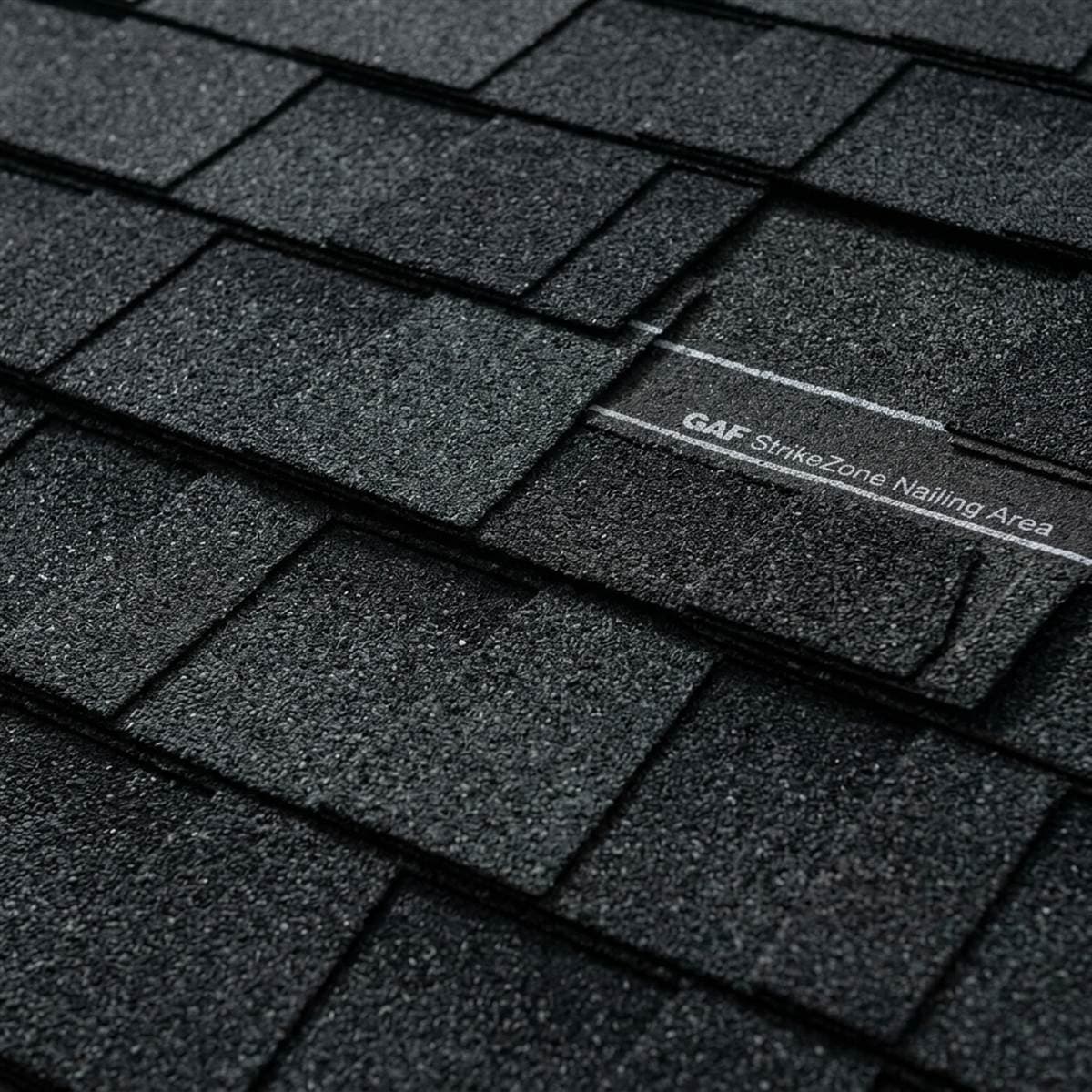
The true power of multi-ply modified bitumen lies in its redundant layering system. Single-ply membranes give you one thin sheet of protection. A standard multi-ply modified bitumen assembly stacks a base sheet, an interply sheet, and a heavy granular-surfaced cap sheet.
Property managers investing in certified commercial modified bitumen roofing systems lock down an incredibly thick, rubberized barrier. It distributes concentrated physical loads effortlessly across multiple layers. It prevents leaks entirely, even if the top cap sheet gets physically scuffed or torn.
Fiberglass and Polyester Reinforcement Mats
High-grade reinforcement mats inject raw tensile strength into multi-ply modified bitumen assemblies. Polyester scrims deliver high elongation, stretching effortlessly to handle structural building movements. Fiberglass sheets deliver unmatched fire resistance. Combining these mats ensures your multi-ply modified bitumen system dominates heavy punctures and mechanical wear.
- Polyester Scrim Base: Delivers superior elongation. It allows the heavy asphalt sheets to stretch safely during wild temperature swings.
- Fiberglass Scrim Base: Provides high dimensional stability and natural flame resistance (ASTM E108 Class A).
- Dual-Reinforced Hybrid: Deploys polyester in the cap sheet and fiberglass in the base to maximize physical properties.
Why High-Traffic Roof Decks Require Multi-Ply Systems
Rooftop HVAC units, heavy communication systems, and sprawling solar arrays demand constant service access. This reality makes multi-ply modified bitumen the absolute safest flat roof option on the market. Dropped toolboxes, dragged equipment panels, and heavy foot traffic split thin membranes instantly, causing massive hidden leaks. The robust wear surface of a multi-ply modified bitumen deck absorbs physical impacts directly without ever losing its waterproofing seal.
- Impact Dispersion: Thick, multi-ply asphalt absorbs the violent kinetic energy of dropped tools and heavy walking heels.
- Abrasion Resistance: Deeply embedded mineral granules protect the waterproofing asphalt core from aggressive foot-traffic wear.
- Shear Strength: Easily withstands the twisting, grinding forces of heavy machinery placement and maintenance traffic.
Walkway Pads and High-Traffic Wear Protection
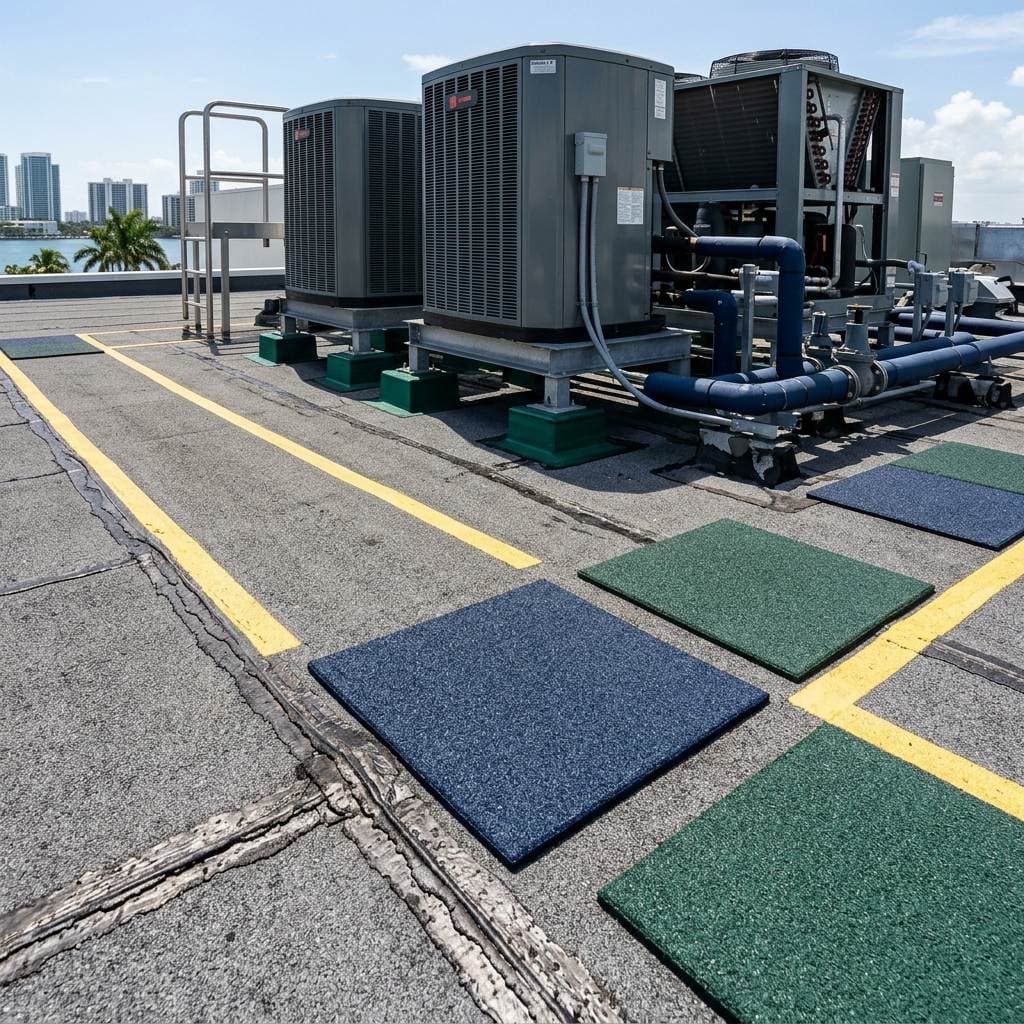
Installing specialized walkway pads in high-traffic service zones pushes the lifespan of a multi-ply modified bitumen installation even further. These heavy rubberized pads distribute weight evenly and cushion impacts around AC units and access hatches. Proactive placement of these walkways safeguards your multi-ply modified bitumen system from intense, localized physical stress.
Long-Term Performance and Maintenance of Asphalt Decks
Proper inspections and aggressive granular restoration maximize the lifespan of any multi-ply modified bitumen asset. Brutal UV radiation erodes cap sheet granules, exposing bare asphalt to South Florida's blistering sun. Integrate liquid-applied elastomeric coatings into your maintenance routine. It protects the multi-ply modified bitumen system entirely, ensuring you hit a full 20 to 25-year service life.
Hybrid Roofing and Custom Engineering Solutions
Proactive engineers specify hybrid layouts to stack the benefits of different systems. Roll a white cool roof coating directly over a multi-ply modified bitumen deck. You instantly blend superior puncture resistance with peak energy efficiency.
Flat Roof Traffic & Puncture Resistance comparison
This table brutally summarizes the performance differences between multi-ply and single-ply membranes under severe physical stress:
| Performance Metric | Multi-Ply Modified Bitumen | TPO Single-Ply Membrane | PVC Single-Ply Membrane |
|---|---|---|---|
| System Layers | 2 - 4 Plies (Redundant) | 1 Ply (Single boundaries) | 1 Ply (Single boundaries) |
| Puncture Resistance | Very High (> 50 ft-lbs) | Moderate (25 - 35 ft-lbs) | Moderate (25 - 35 ft-lbs) |
| Traffic Suitability | Excellent (Heavy maintenance) | Fair (Requires walkway pads) | Fair (Requires walkway pads) |
| Average Thickness | 180 - 240 Mils | 60 - 80 Mils | 50 - 80 Mils |
| Seam Weld Method | Melted Asphalt / Torched / Cold | Hot-Air Welded | Hot-Air Welded |
| Average Installed Cost | Moderate ($6.50 - $9.50 / sq ft) | Lower ($5.50 - $8.50 / sq ft) | Higher ($7.50 - $11.50 / sq ft) |
Conclusion on Multi-Ply Systems
Properties demanding continuous rooftop access require heavy-duty solutions. Investing in multi-layered asphalt durability is the most secure, absolute path to prevent leaks. Partner with a certified local roofing team today. Specify the exact multi-ply configuration required for your commercial building.
Local Service & Contact Signals
Diversified Roofing Solutions delivers certified flat roof inspections, maintenance, and installations across South Florida. Contact our Jupiter headquarters for emergency support or a free commercial flat roof assessment.
Diversified Roofing Solutions, Inc.
📍 1829 Park Ln S, Suite 8, Jupiter, FL 33458
📞 (561) 841-5676
✉️ info@diversifiedroofingfl.com
Local Service Areas & Regional Coverage
Diversified Roofing Solutions delivers certified residential and commercial roofing across South Florida and the Treasure Coast, including Palm Beach County, Martin County, Broward County, and St. Lucie County.