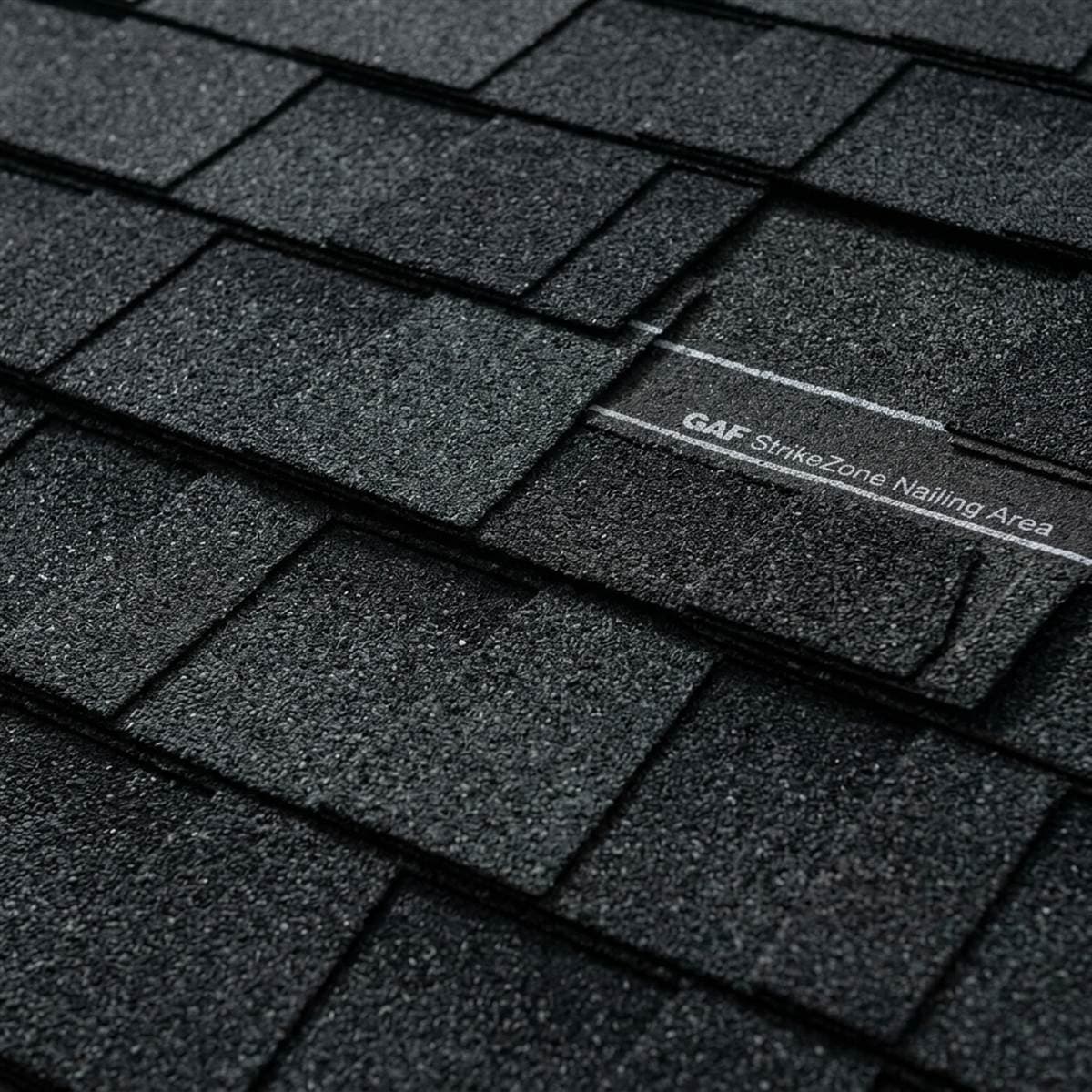
The high humidity of South Florida can turn your attic into a greenhouse. Implementing proper attic ventilation mold prevention is critical to protect your rafters and drywall from mold growth. If hot, humid air gets trapped under your roof, it condenses on the wood, causing rot and peeling shingles. Focusing on attic ventilation mold prevention keeps your attic temperature close to the outside, extending your roof's life.
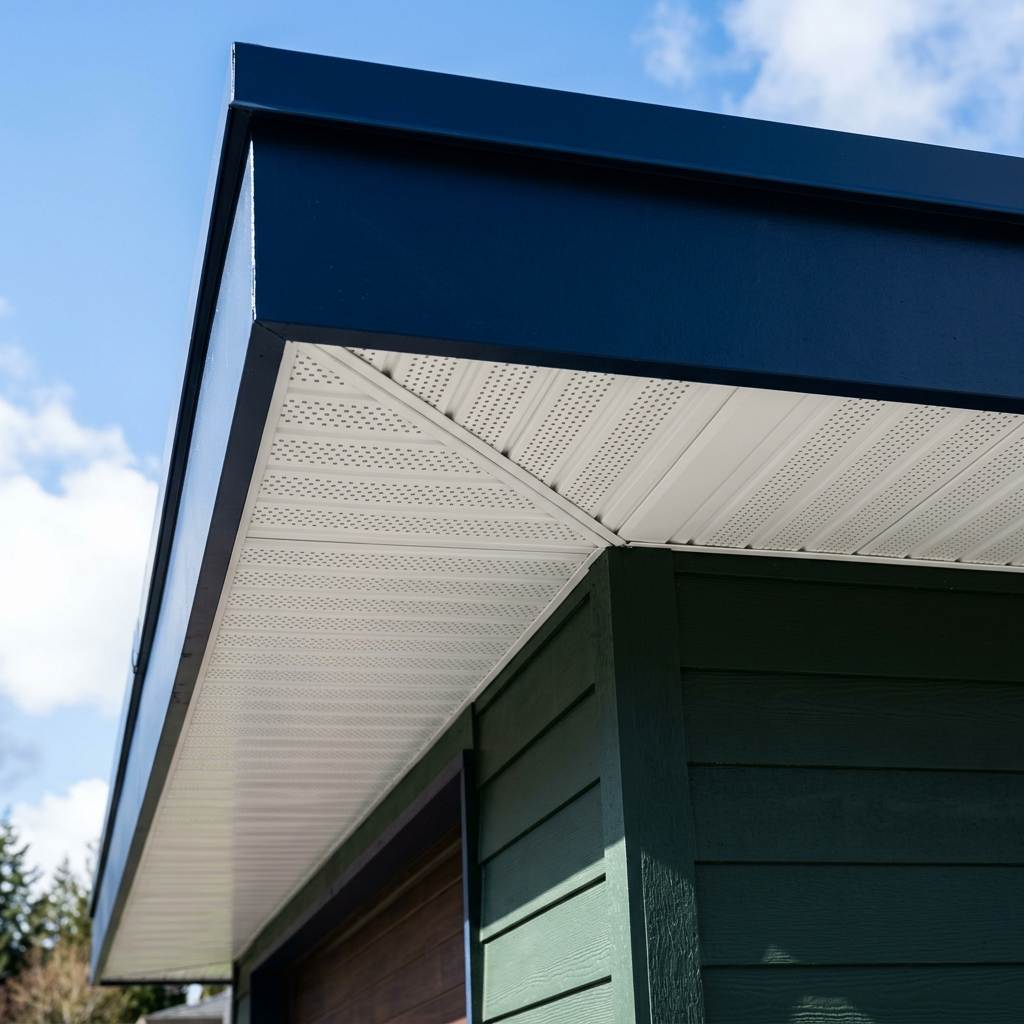
Balanced Airflow Requirements
A healthy roof system requires a balance between intake and exhaust ventilation:
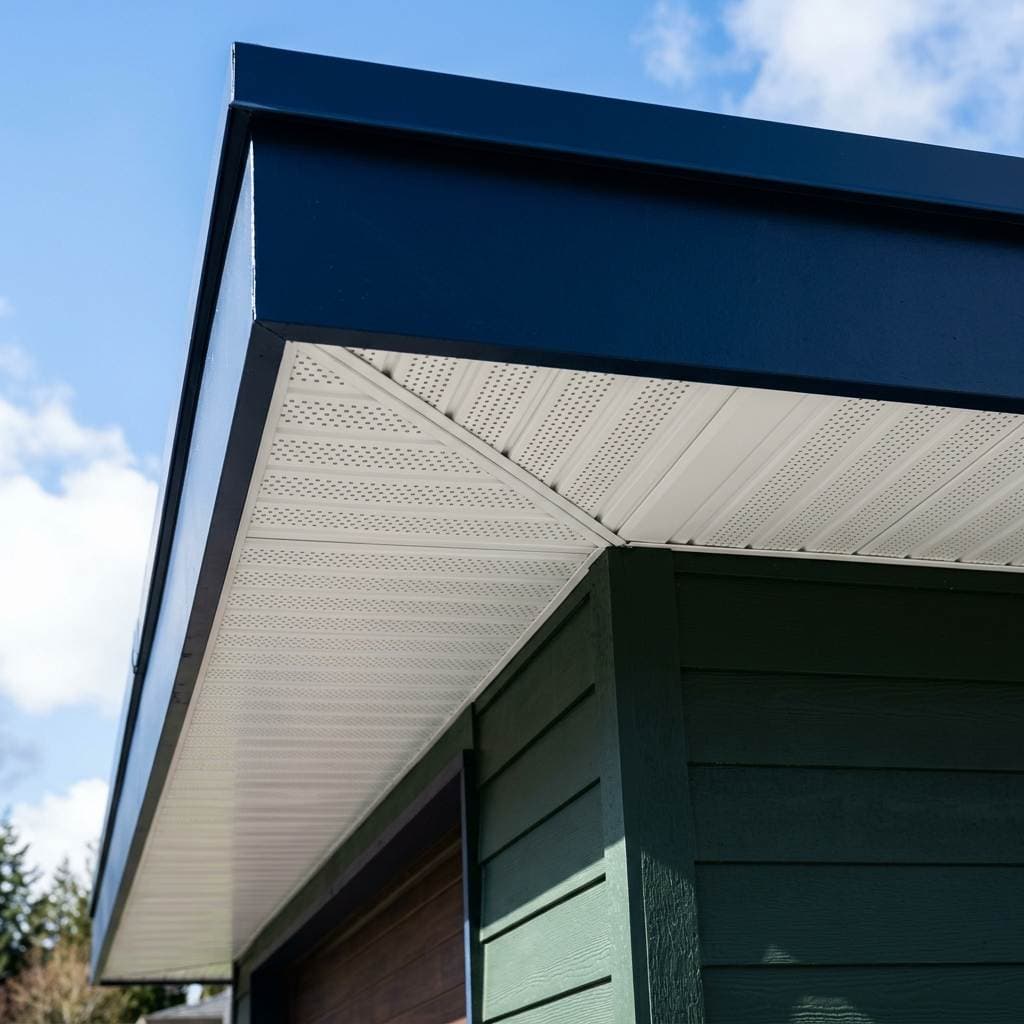
- Intake Soffit Vents: Placed along the roof overhang to draw cool air in.
- Exhaust Ridge Vents: Installed along the peak to let hot, humid air escape.
- AC Load Reduction: Lowering attic temperatures reduces the load on your AC unit, saving energy.
We evaluate air circulation and install balanced systems for attic ventilation mold prevention. Read our guide on preventing roof mold in Florida to check your system.
Frequently Asked Questions
How does attic ventilation mold prevention work?
It circulates hot, humid air out of your attic, preventing condensation from forming on the underside of your wood roof decking.
What is the best system for attic ventilation mold prevention?
A balanced combination of intake soffit vents and exhaust ridge vents provides continuous, passive air circulation.