Homeowners in South Florida are bleeding cash. We face some of the highest property insurance rates in the entire country. But you have a way to fight back. You can drastically slash those premiums if you qualify for insurance wind mitigation credits by hardening your roof structure. Florida law forces insurance carriers to hand over discounts to homes carrying certified, wind-resistive construction features.
If you live on the coast in Jupiter, Palm Beach, or Stuart, you need to qualify for insurance wind mitigation credits. It's not optional anymore. Your roof has to beat strict structural wind requirements. Get the right features installed—secondary water barriers, heavy-duty deck nail patterns, steel roof-to-wall connectors—and you lock in massive savings. Here is exactly what you need to upgrade to secure those credits and make your house hurricane-proof.
What is a Wind Mitigation Inspection?
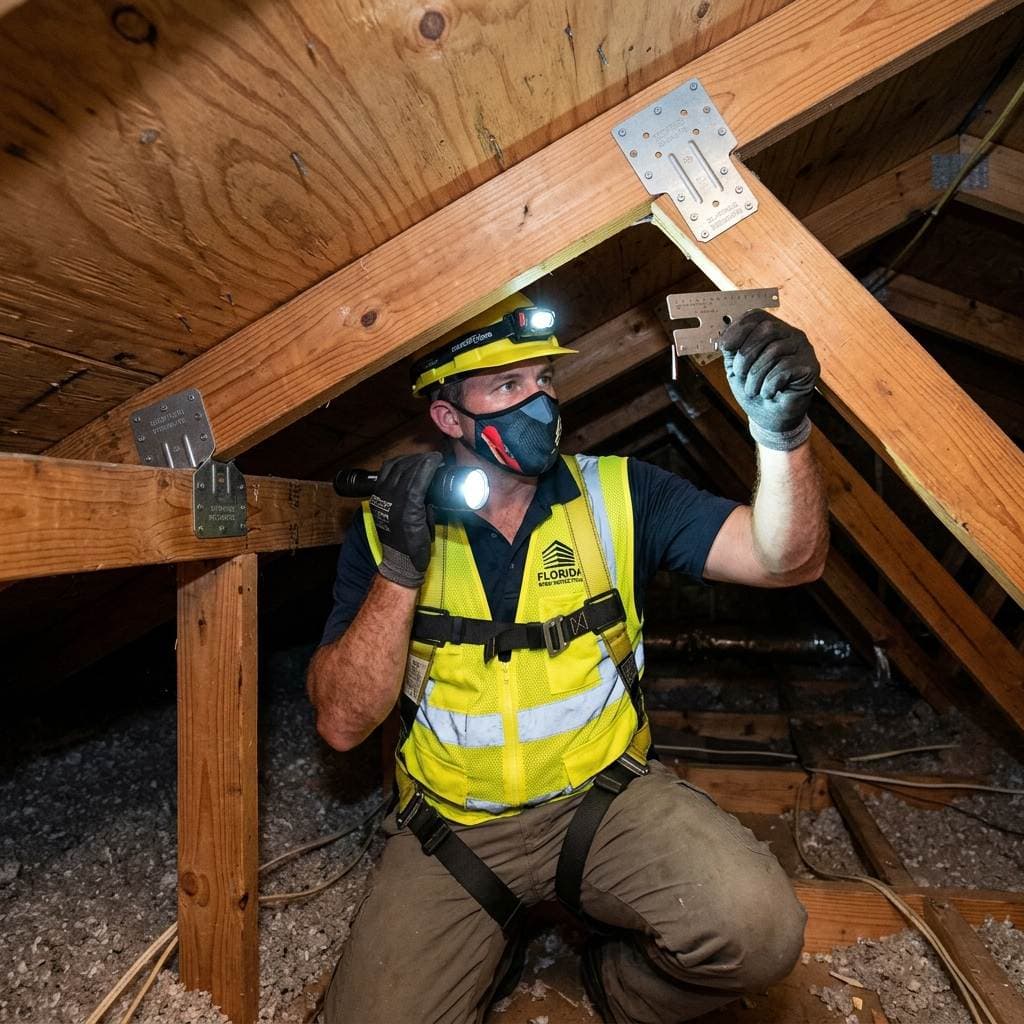
A wind mitigation inspection is a deep, visual audit of your home’s structural bones. A certified general contractor, architect, or home inspector climbs into your attic. They evaluate exactly how much wind force your building can take before it tears apart.
The inspector documents everything on a standardized OIR-B1-1802 form. They submit that directly to your insurance company, and the carrier applies discounts based on your score. If a crew installed your roof after 2002 to comply with the Florida Building Code (FBC), you automatically qualify for insurance wind mitigation credits for the roof covering itself.
3 Core Features to Qualify for Insurance Wind Mitigation Credits
Stop wasting money. If you want maximum insurance discounts during your next roof replacement, force your contractor to focus on these three critical deck and framing upgrades:
1. Roof-to-Wall Connection (Clips and Straps)
This measures how your roof trusses anchor to the top of your concrete walls.
- Toenails: The weakest connection. Barely registers a discount.
- Clips: Metal plates blasted into the frame with three nails. Offers moderate credit.
- Single/Double Straps: Heavy steel straps wrapped tightly over the truss and buried into the concrete block. Straps yield the highest insurance discounts. Get them.
2. Roof Deck Attachment (Nail Length and Spacing)
Inspectors pull the specs on how your plywood deck is fastened to the rafters. To qualify for insurance wind mitigation credits inside the High Velocity Hurricane Zone (HVHZ), your nailing pattern must be aggressive:
- Use at least 8d ring-shank nails (2.5 inches long).
- Space them a maximum of 6 inches apart along the panel edges.
- Staples? Short nails? They fail. Rip them out and re-nail the deck during your re-roofing project.
3. Secondary Water Barrier (SWR)
A Secondary Water Resistance barrier is non-negotiable. It's a self-adhering polymer modified bitumen membrane—usually called "peel-and-stick." We stick it directly to the bare wood roof deck before any shingles, tiles, or metal panels go down. Why? If a Category 4 rips your primary roof covering off, the SWR keeps the seams between the deck boards sealed. It stops massive interior flooding.
Integrating Your Hurricane Strategy
Securing your roof structure isn't just about saving a few bucks. It protects your family. Before the heavy storms roll in, run through our hurricane season roof checklist. Check your shingles, flashings, and vents before they blow off. If a recent storm already hammered your roof, you need to know how the newest insurance laws impact your claim. Read our breakdown on Florida roof replacement insurance claims.
Need a bulletproof installation? Check out our localized Palm Beach County roofing services or call the office to book a wind mitigation audit.
Run the numbers yourself. Calculate your potential insurance discount using our pricing estimator calculator.
Local Service Areas & Regional Coverage
Diversified Roofing Solutions provides certified residential and commercial roofing services across South Florida and the Treasure Coast, including Palm Beach County, Martin County, Broward County, and St. Lucie County.
Maximizing ROI Through Strategic Roof Upgrades
Chasing wind mitigation credits in Florida is the smartest financial move you can make when buying a roof. Those insurance savings often pay for the entire roof upgrade over the life of the material. But to get the maximum discount, you have to know exactly what the actuaries want to see. You have to force your roofing contractor to install and document these features flawlessly.
The Hierarchy of Wind Mitigation Features
Insurance carriers don't treat all upgrades the same. The massive premium discounts always go to three specific features:
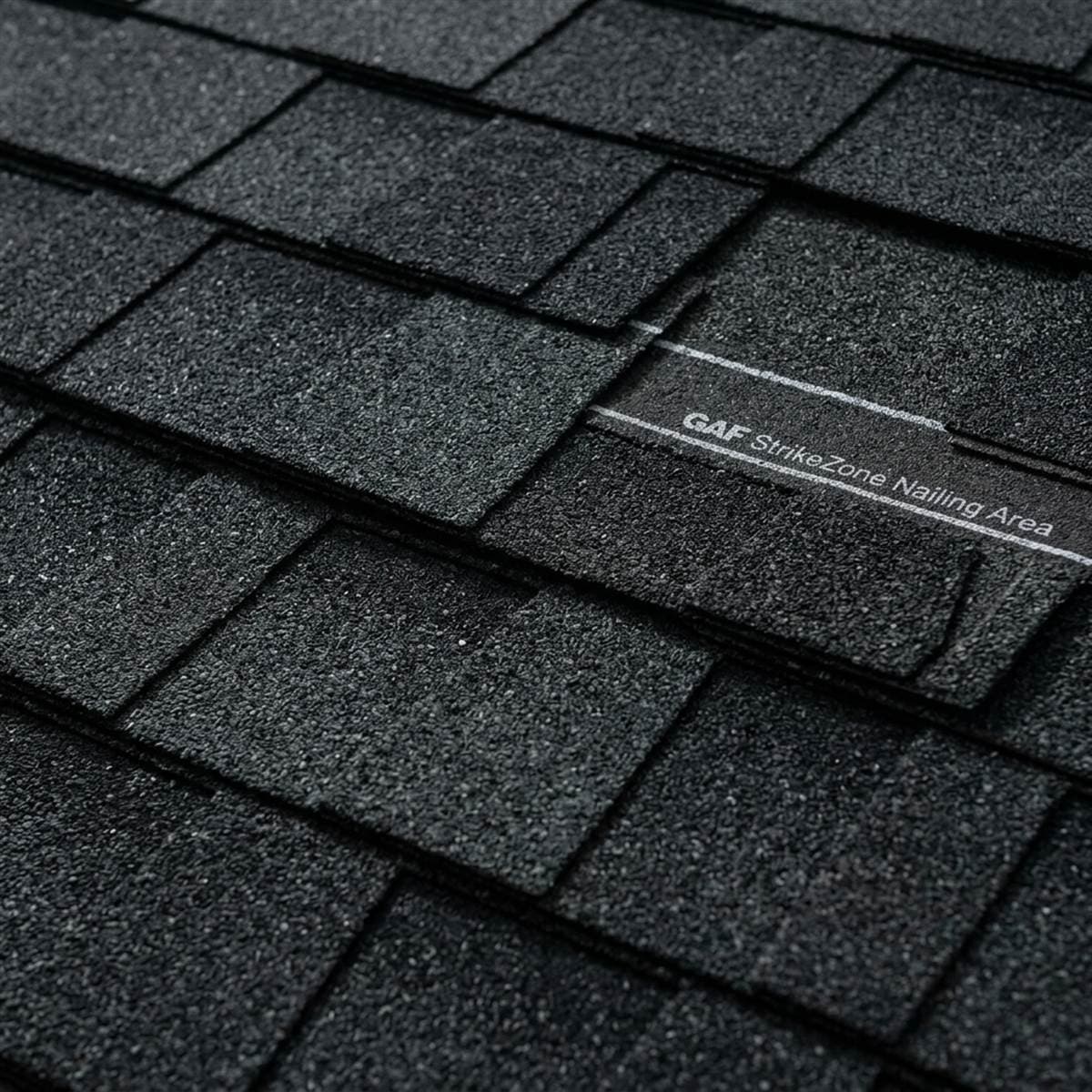
- Roof Covering: Demand materials tested for High-Velocity Hurricane Zones (HVHZ). We're talking 24-gauge standing seam metal or Class 4 impact-resistant architectural shingles.
- Roof-to-Wall Attachments: Upgrade from cheap toe-nails. Demand single or double hurricane wraps (straps). They physically tie the roof trusses down to the concrete block walls, creating a continuous load path that insurance companies love.
- Secondary Water Resistance (SWR): Roll a self-adhering polymer-modified bitumen underlayment straight onto the bare wood. It creates a waterproof seal. Even if the roof blows off, your living room stays dry.
The Importance of the OIR-B1-1802 Form
To get paid, you need a flawless Uniform Mitigation Verification Inspection Form (OIR-B1-1802). A licensed inspector, architect, or roofing contractor must fill it out. Diversified Roofing Solutions doesn't cut corners. We meticulously document every phase of your roof installation. We take timestamped photos of the bare decking, the tight nailing patterns, the sticky underlayment, and the final covering. This bulletproof documentation forces the insurance company's hand, guaranteeing you receive every single premium discount you legally deserve.