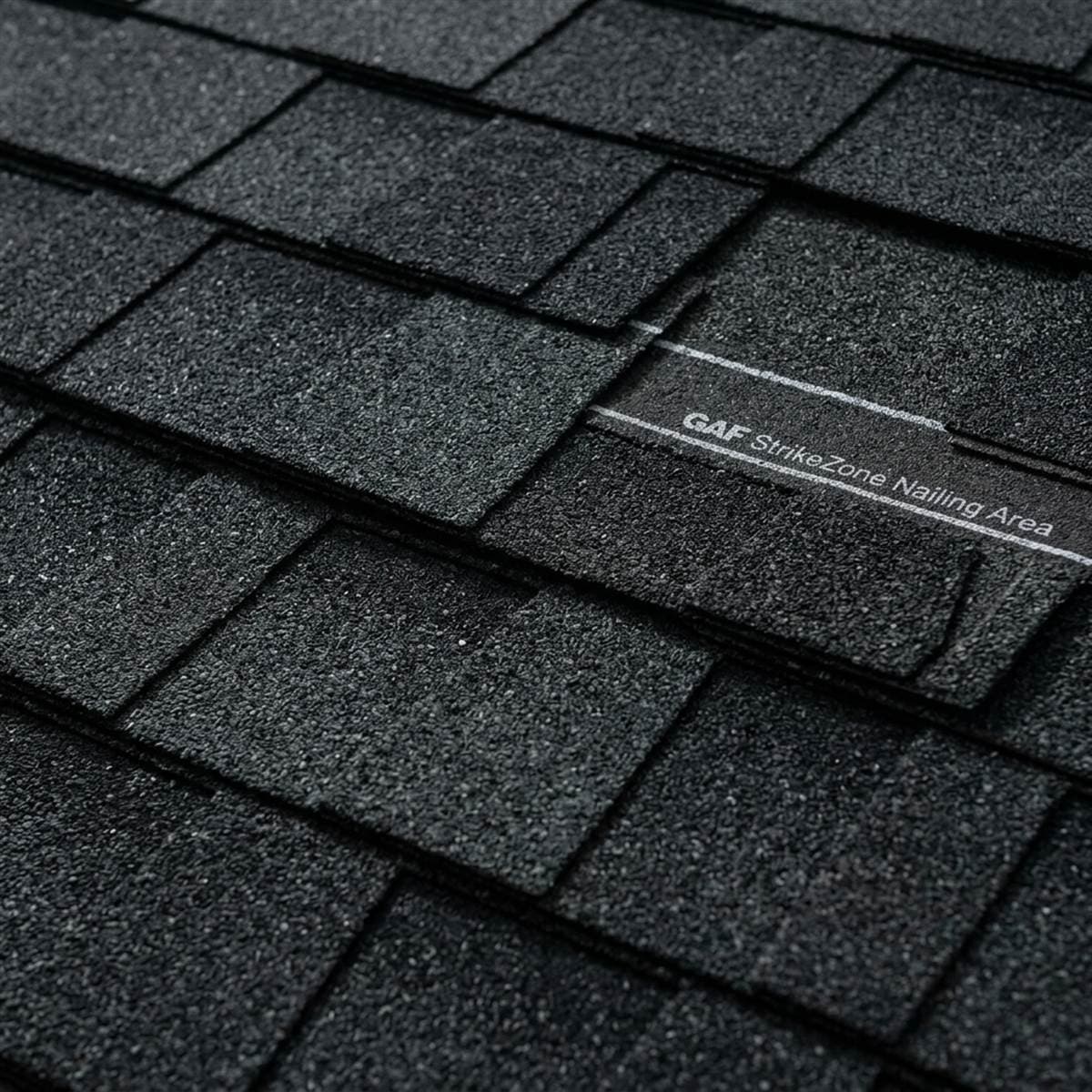
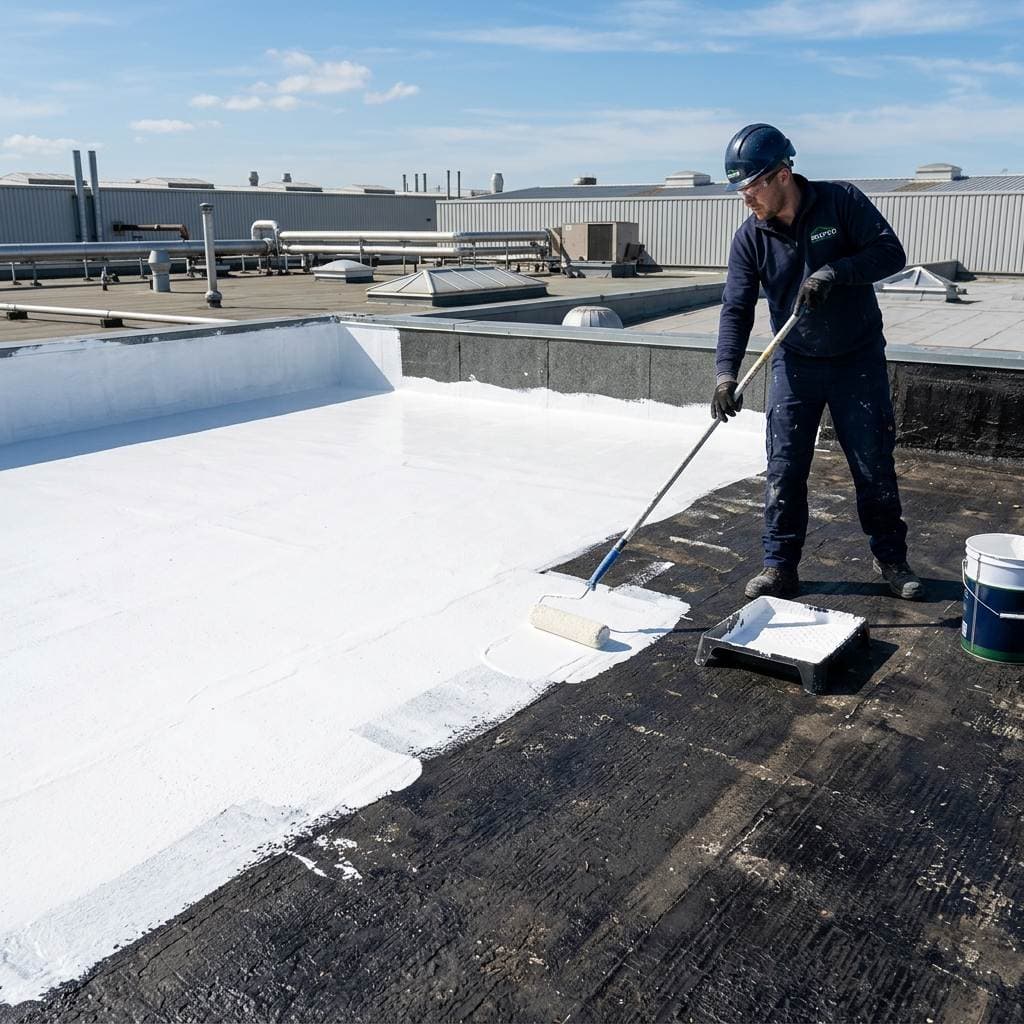
To protect commercial flat decks and dodge the massive expense of a complete structural tear-off, installing commercial roof coating systems is the smartest move you can make. These aren't just paints. These liquid-applied membranes cure to form a seamless, brutal rubberized shield directly over your existing substrates—whether that's TPO, PVC, or aging modified bitumen. By locking down minor leaks and violently blocking solar heat, high-solids silicone and acrylic finishes extend your roof's service lifespan by up to fifteen years. For commercial building managers across Palm Beach, Martin, and Broward counties, upgrading to certified roof coating systems crushes operational overhead and massively spikes thermal performance.
Table of Contents
- What Are Roof Coating Systems and How Do They Protect Decks?
- Evaluating Silicone vs. Acrylic Coating Technologies
- Financial Advantages: Deductibility and Energy Savings
- How Do Coating Systems Perform in Standing Water Conditions?
- Application Protocols and Surface Preparation Stages
- Related Services
What Are Roof Coating Systems and How Do They Protect Decks?
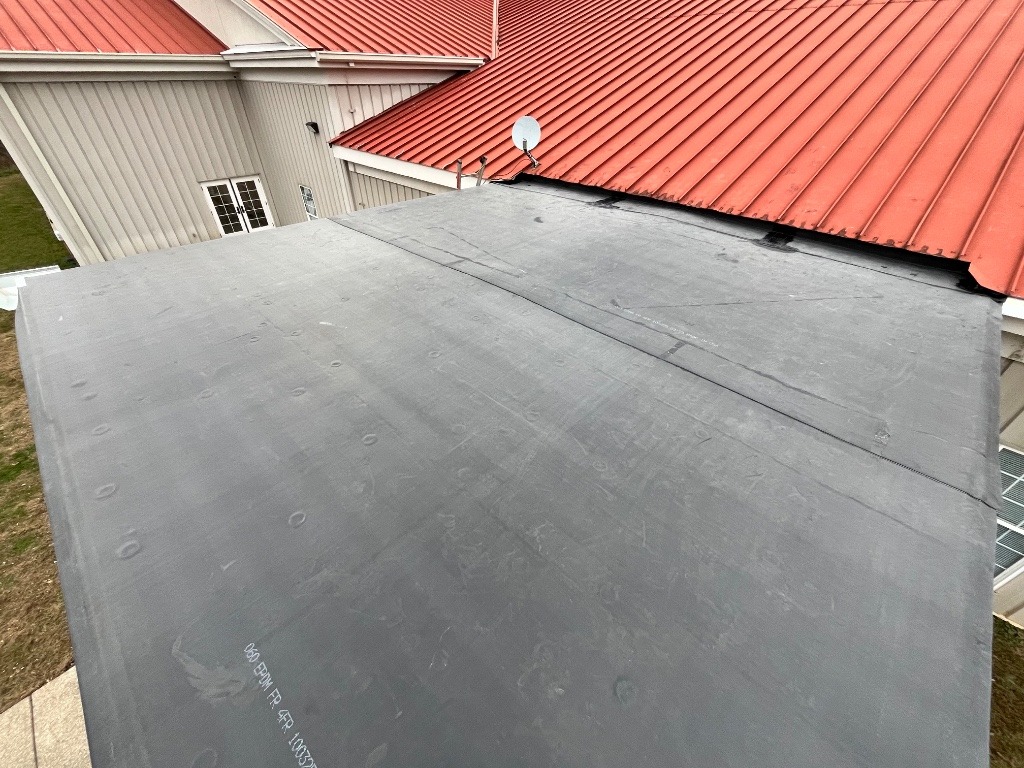 Industrial roof coating systems are hardcore, fluid-applied membranes. We use them to seal micro-cracks, reinforce blown seams, and defend your building's structure from relentless UV rays, aggressive water leaks, and structural thermal shock.
Once applied, they cure into a solid elastic membrane. When your building expands and contracts under the Florida sun, the coating stretches with it. It doesn't crack. It doesn't peel.
The Benefits of a Seamless Coating Membrane
Standard rolled roofing relies on seams. Seams fail. That is where flat roofs leak. Elastomeric roof coating systems completely eliminate seams. When we spray down modern roof coating systems, we create a monolithic, continuous shield. It expands and contracts without tearing. This flexibility kills future leak points before they start.
- Zero Seams: Instantly eliminates joint separations around vents, heavy drains, and perimeter edges.
- High Elasticity: Stretches up to 300% to handle violent thermal deck expansion.
- Reflective Surface: Rejects solar heat, driving roof temperatures into the dirt.
Evaluating Silicone vs. Acrylic Coating Technologies
When it comes to silicone versus acrylic, selecting the right roof coating systems comes down to your roof's drainage and how much UV it eats. Silicone is ultra UV-stable. It laughs at ponding water. Acrylic coatings are the budget-friendly option, providing elite reflectivity—but only if the roof drains perfectly.
Look at the hard performance specs below to see how these commercial options stack up.
| Coating System type | Solar Reflectivity (SRI) | Ponding Water Resistance | Tensile Strength (PSI) | Expected Service Life | Tax Deduction Class |
|---|---|---|---|---|---|
| High-Solids Silicone | 88 - 92 (High) | Excellent (Zero Degradation) | 350 PSI | 15 - 20 Years | Immediate (Section 179) |
| Elastomeric Acrylic | 80 - 85 | Poor (emulsion softens) | 250 PSI | 7 - 10 Years | Immediate |
| Polyurethane Coating | 78 - 82 | Good (tough wear) | 800 PSI (High) | 12 - 15 Years | Immediate |
| Asphalt Emulsion | N/A (Black) | Moderate | 150 PSI | 5 - 7 Years | Capital Improvement |
Silicone for Ponding Water Environments
Silicone roof coating systems do not break down under standing water. Period. This makes them the undisputed king for low-slope commercial structures in South Florida. Specifying silicone roof coating systems guarantees your facility won't leak when the summer monsoons hit. This chemical stability is the only way to survive storm season.
Financial Advantages: Deductibility and Energy Savings
Here is the best part. Installing roof coating systems counts as a maintenance expense, not a capital improvement. This means building owners can usually deduct the entire project cost in year one under Section 179 tax guidelines.
That is massive tax savings compared to a full capital replacement that you have to slowly amortize over 39 years.
Cool Roof Energy Savings and Tax Incentives
Certified roof coating systems reflect up to 85% of solar heat. They plunge indoor temperatures and crush cooling energy costs by up to 20%. Those savings deliver immediate ROI. Plus, these coatings easily qualify your structures for heavy local utility energy rebates.
How Do Coating Systems Perform in Standing Water Conditions?
Ponding water dissolves cheap, water-based acrylic emulsions. It turns them to soup. But high-solids silicone roof coating systems are hydrophobic. They refuse to absorb moisture, stopping water from ever touching your roof decking.
This protection is non-negotiable for older flat commercial buildings dealing with sagging decks and slow drains.
Application Protocols and Surface Preparation Stages
A successful coating job requires brutal prep work. We deep clean and prime the existing deck substrate before a single drop of coating goes down. Properly applied roof coating systems demand a bone-dry, spotless surface to guarantee adhesion.
Trap dirt or moisture under the membrane? It bubbles, blisters, and destroys the bond.
Inspecting Seams and Detail Flashing Points
Our technicians don't cut corners. We seal every seam and reinforce every pipe penetration with heavy mastic before coating the deck. This prep stage forces the newly installed roof coating systems to bond permanently to all detail joints. Invest in the maintenance of these roof coating systems, and your building will stay completely leak-free for decades.
Related Services
To explore flat roof protective systems, check these links:
- Learn about our comprehensive Commercial Roofing solutions for flat decks.
- Extend existing deck lifespans with high-performance Silicone Roof Coatings.
- Request an inspection or a repair bid for TPO Flat Roof Replacements.
- Repair storm-damaged commercial seams with PVC Roof Repair services.
🎨 Image Generation Prompt
AI Image Prompt: A professional industrial photograph showing the application of a thick, brilliant white silicone roof coating onto a weathered black modified bitumen deck. A roller application shows the stark contrast between the bright white reflective surface and the old dark roof. Minimalist composition with navy blue and dark green theme highlights, crisp daylight, sharp detail.
[!TIP] Planning a Roof Replacement? Use our interactive Florida Roof Replacement Cost Calculator to get an instant satellite measurement and pricing estimate for your property.
Local Service Areas & Regional Coverage
Diversified Roofing Solutions provides certified residential and commercial roofing services across South Florida and the Treasure Coast, including Palm Beach County, Martin County, Broward County, and St. Lucie County.