When a severe tropical storm tears through your neighborhood, filing successful roof insurance claims demands ruthless adherence to documentation and policy guidelines. Property owners must strike immediately. You have to capture photographic evidence of roof damage, deploy emergency dry-in mitigation, and submit aggressive, line-item contractor estimates. Miss a step? The carrier will slap you with a partial denial or drag your processing out for months. For policyholders in Palm Beach, Martin, and Broward counties, knowing exactly how to navigate roof insurance claims is the only way to secure full coverage and rebuild your structure.
Table of Contents
- What Are the Critical First Steps in Filing Roof Insurance Claims?
- How to Document Storm Damage for Insurance Verification
- What Is the Difference Between Replacement Cost and Actual Cash Value?
- Should You Hire a Public Adjuster or Partner with a Certified Contractor?
- Understanding Florida Senate Bill 2-D Rules on Insurance Claims
- Related Services
What Are the Critical First Steps in Filing Roof Insurance Claims?
To launch successful roof insurance claims, property owners must immediately photograph the damage, hit their insurance provider with a loss notice, and put a licensed roofing contractor on the deck. Do it fast. Taking these steps is the only way to stop the bleeding and prevent massive interior water damage.
Carriers demand immediate loss reporting. If you wait, they will write the damage off as post-storm wear-and-tear and slash your payout.
Navigating Emergency Repairs and Mitigation Duties
Under standard Florida policies, you have a legal duty to mitigate loss and block secondary water damage. If you delay emergency tarping while sitting around waiting for roof insurance claims to process, your insurer can legally deny coverage for the interior repairs. Move fast. Secure emergency services to protect your roof insurance claims from outright denial.
- Emergency Tarping: Kills active water leaks before they rip through your attic spaces.
- Debris Removal: Get fallen limbs off the roof, but shoot photos of the impact point first.
- Temporary Patches: Restores basic structural defense to stop the wood decking from rotting.
How to Document Storm Damage for Insurance Verification
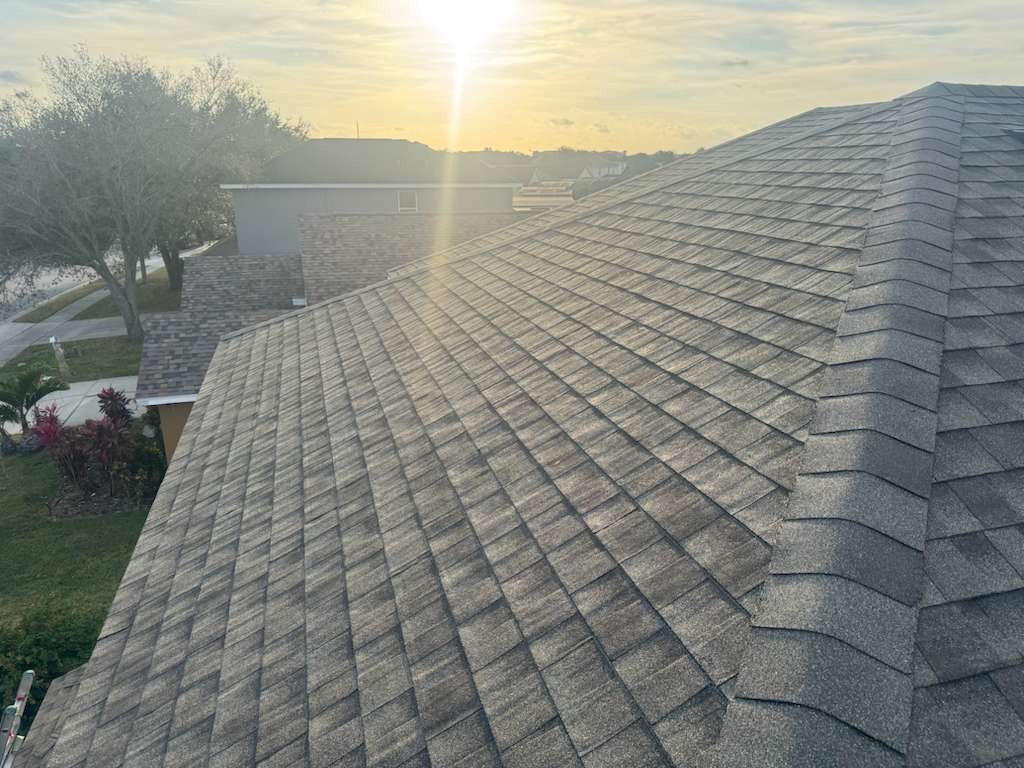 Documenting storm damage means gathering brutal, high-definition photographs. We need close-ups of wind-creased shingles, shattered tiles, and dark interior ceiling water spots. Hard evidence forces the carrier's hand, simplifying the review process for roof insurance claims and pushing payout approvals through faster.
Detailed photo reports stop claims adjusters from brushing the damage off as pre-existing conditions or minor aging.
Collecting Professional Inspection Evidence
A state-licensed roofing contractor must draft a comprehensive inspection report. This is the main weapon for your roof insurance claims. The report must aggressively detail wind uplift damage, thermal moisture scans, and the structural integrity of the decking. Slap these engineering reports onto your roof insurance claims, and you stop carriers from trying to claim "wear-and-tear."
What Is the Difference Between Replacement Cost and Actual Cash Value?
A Replacement Cost Value (RCV) policy pays for the entire cost of a brand-new roof. An Actual Cash Value (ACV) policy? It brutally deducts depreciation based on the roof's age. Knowing what paper you hold dictates how you handle roof insurance claims.
Look at the breakdown below. This is how your policy type dictates your final payout.
| Policy Coverage parameters | Replacement Cost Value (RCV) | Actual Cash Value (ACV) | Hurricane Deductible Impact | Out-of-Pocket Expense |
|---|---|---|---|---|
| Coverage Level | Full Cost of Replacement | Depreciated Value Only | Applied to Total Payout | Deductible Only (RCV) |
| Age Impact | None (covers full new roof) | High (payout shrinks with age) | Applied to Total Payout | High (covers depreciation + deductible) |
| Premium Cost | High (premium rates) | Moderate (standard rates) | Varies (2% - 10%) | Varies based on roof age |
| Secondary Water Damage | Covered (under limits) | Covered (minus depreciation) | Applied | Deductible only |
Deductibles and Out-of-Pocket Expenses
Most South Florida policies carry a painful hurricane deductible, usually hitting 2% to 10% of the home's total insured value. When calculating payouts for roof insurance claims, the insurer chops this deductible right off the final claim check. You have to pay that balance out-of-pocket to the contractor.
Should You Hire a Public Adjuster or Partner with a Certified Contractor?
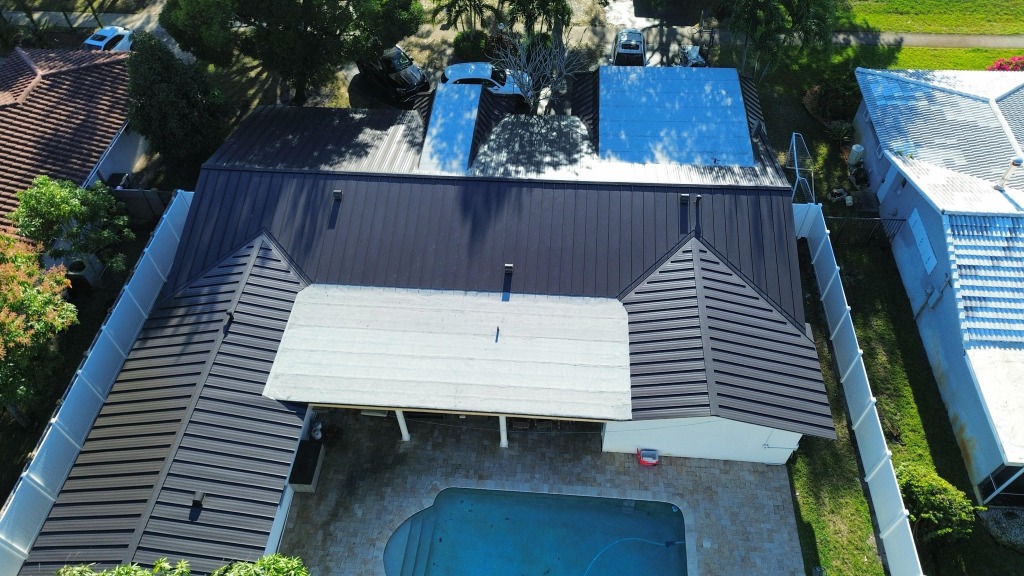 A public adjuster takes a chunk of your payout to fight the carrier. A certified roofing contractor provides the brutal, technical damage validation for free. This relationship ensures your roof insurance claims are locked in by code-compliant, line-item replacement estimates.
Your contractor needs to be on the roof with the adjuster during the inspection. They force the adjuster to record all the structural details—like rotted decking and torn flashing joints—that they might "accidentally" miss.
Understanding Florida Senate Bill 2-D Rules on Insurance Claims
Florida Senate Bill 2-D changed the game. It placed heavy new regulations on structural roof insurance, crushing bad-faith lawsuits and gutting attorney fee-shifting guidelines. If you are filing roof insurance claims today, you must follow strict notification timelines or you forfeit your legal rights.
These laws are meant to protect consumers from bad-faith denials while killing the fraudulent claims that caused statewide insurance rates to explode.
Impact on Wind Mitigation and Policy Renewals
Insurers can no longer drop your coverage just because a roof hits 15 years old—if a certified wind inspection proves it has 5+ years of useful life remaining. Navigating roof insurance claims under these tight new rules keeps your policy active and forces the carrier to fund the repair. Master how these laws affect roof insurance claims, and you guarantee maximum payout.
Related Services
To navigate storm recovery and claim repairs, explore our services:
- Request a professional inspection for Asphalt Shingle Repair in Jupiter to obtain a certified repair bid.
- Upgrade to wind-resistant Standing Seam Metal Roofing to secure wind mitigation discounts.
- Request commercial support for TPO Flat Roof Replacements for office plazas.
- Apply protective Elastomeric Roof Coatings to extend the lifespan of flat roofs.
🎨 Image Generation Prompt
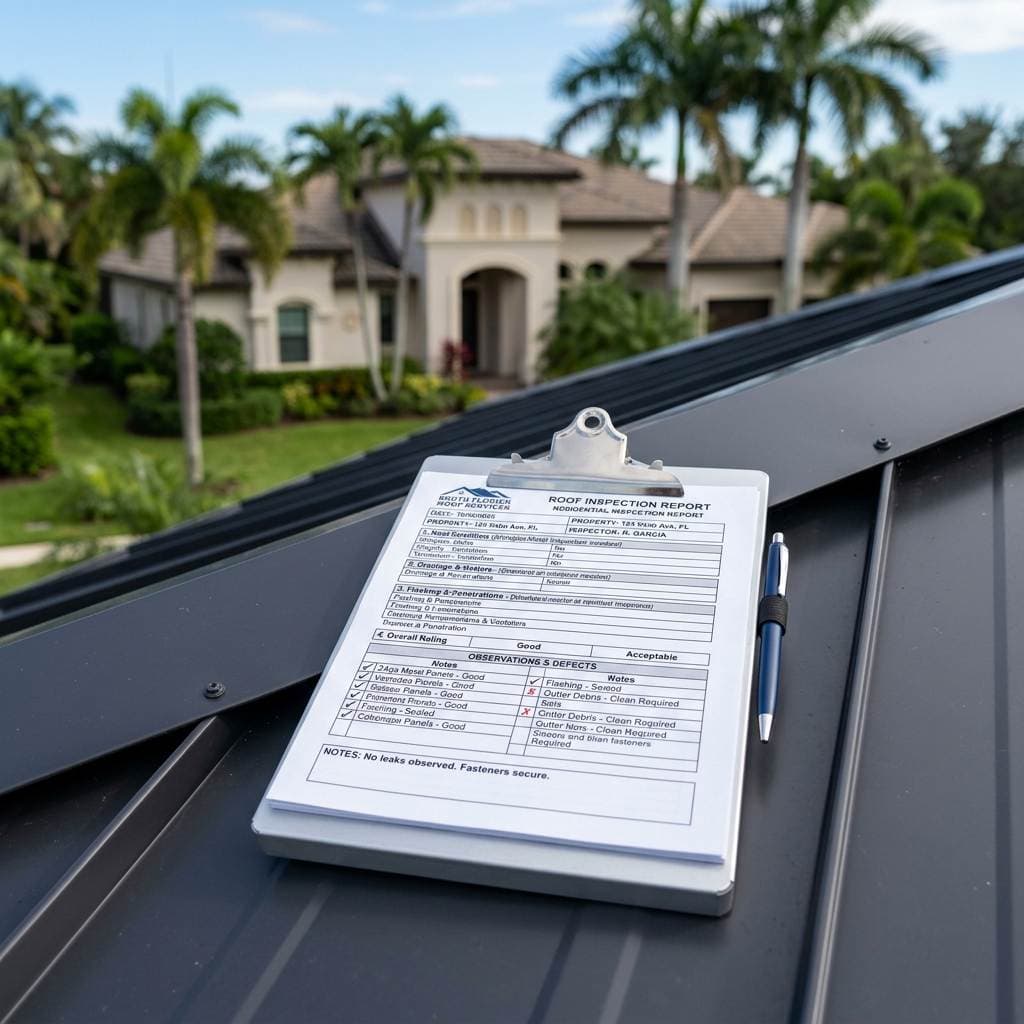
AI Image Prompt: A clean, professional close-up of a clipboard containing a structured roof inspection report resting on a modern metal roof. The background features a blurred residential home in South Florida. Minimalist, high-contrast style using navy blue and dark green tones, bright daylight, professional architectural photography.
[!TIP] Planning a Roof Replacement? Use our interactive Florida Roof Replacement Cost Calculator to get an instant satellite measurement and pricing estimate for your property.
Local Service Areas & Regional Coverage
Diversified Roofing Solutions provides certified residential and commercial roofing services across South Florida and the Treasure Coast, including Palm Beach County, Martin County, Broward County, and St. Lucie County.