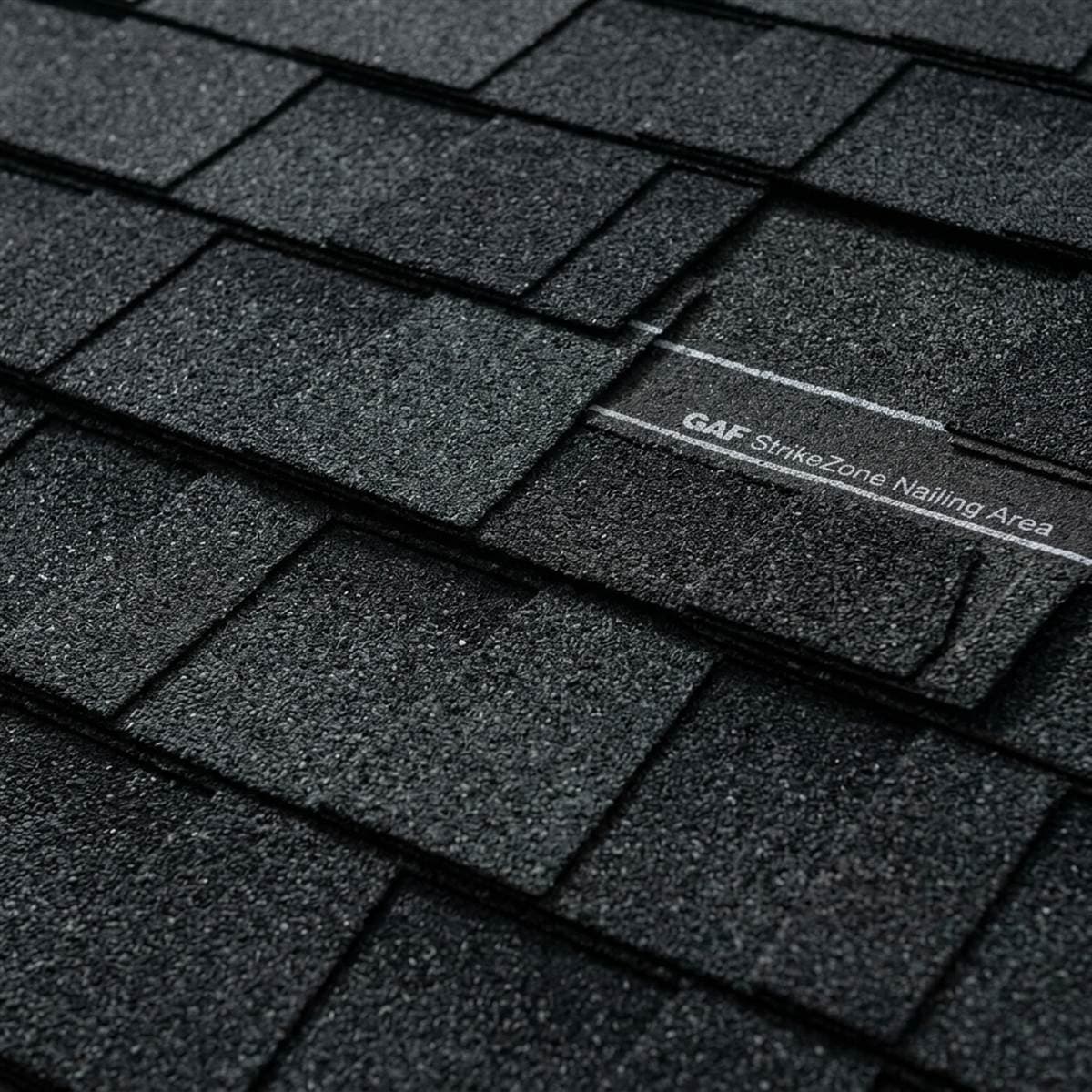
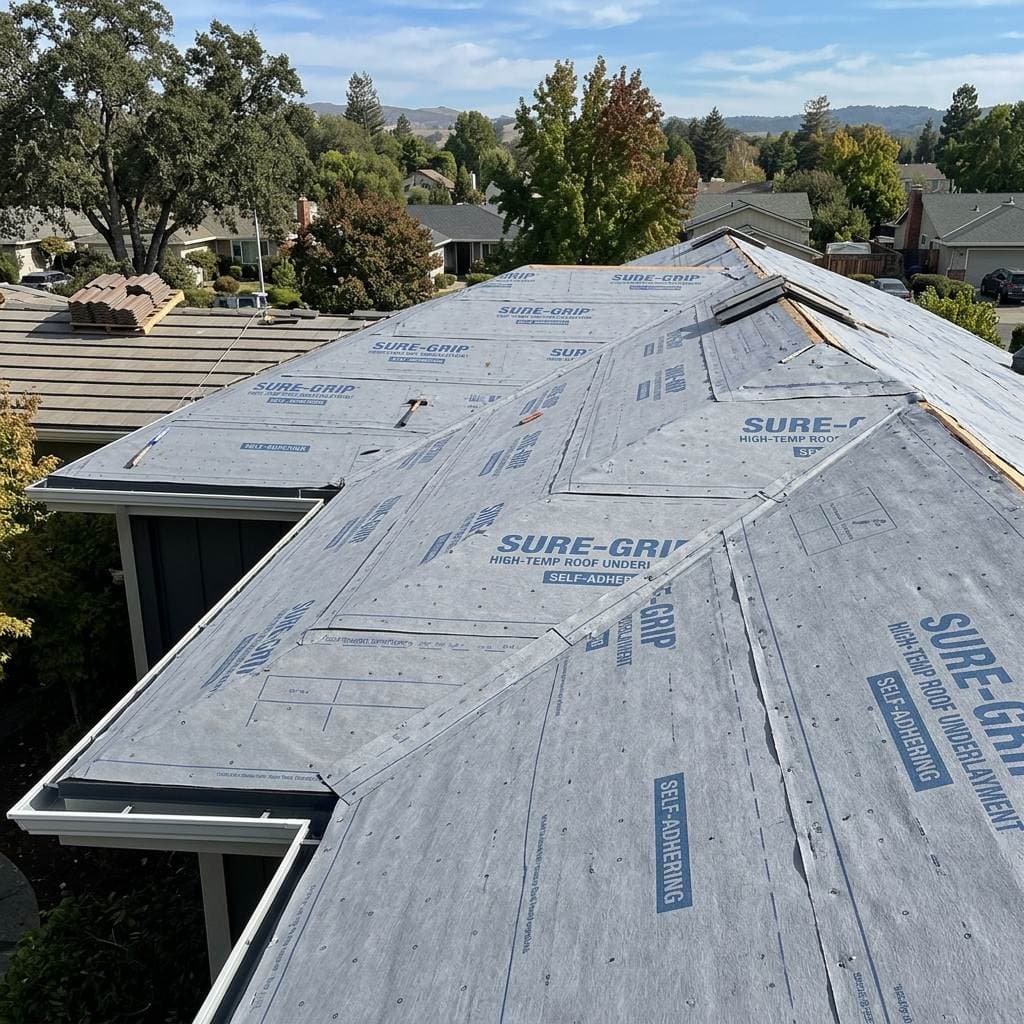
South Florida windstorms can strip asphalt shingles and clay tiles off a roof deck in seconds. Installing a certified secondary water resistance barrier is legally required to prevent structural rot when the primary roofing blows away. Under the Florida Building Code, this secondary water resistance barrier must be applied directly to the plywood, creating a seamless seal that keeps water out during intense rain bands.
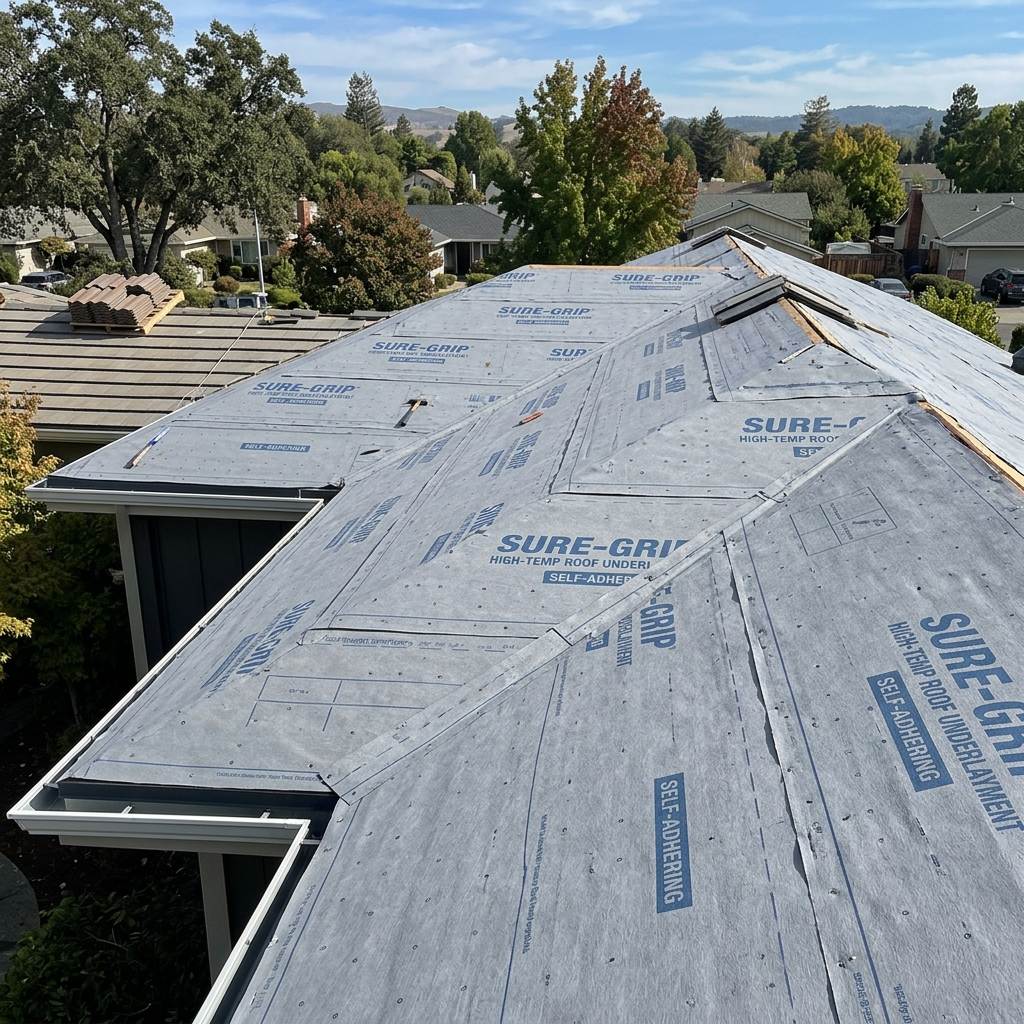
SWR Application Methods and Compliance
Contractors use two primary methods to install a secondary water resistance barrier:
- Peel-and-Stick Underlayment: A modified bitumen membrane applied directly to the raw wood.
- Seam-Taping Method: Heavy-duty flashing tape applied over all plywood panel joints.
- Fastener Seal: The rubberized backing self-seals around nails to prevent leaks.
We utilize premium self-adhering membranes to satisfy the secondary water resistance barrier code. Learn more about our residential roof replacement services to ensure your home passes inspections.
Frequently Asked Questions
What is a secondary water resistance barrier?
It is a continuous waterproofing underlayment applied directly to the wood decking to prevent leaks if the shingles blow off.
Is a secondary water resistance barrier required by Florida code?
Yes, building codes mandate that all new residential roofing projects include a certified SWR barrier to reduce storm damage.