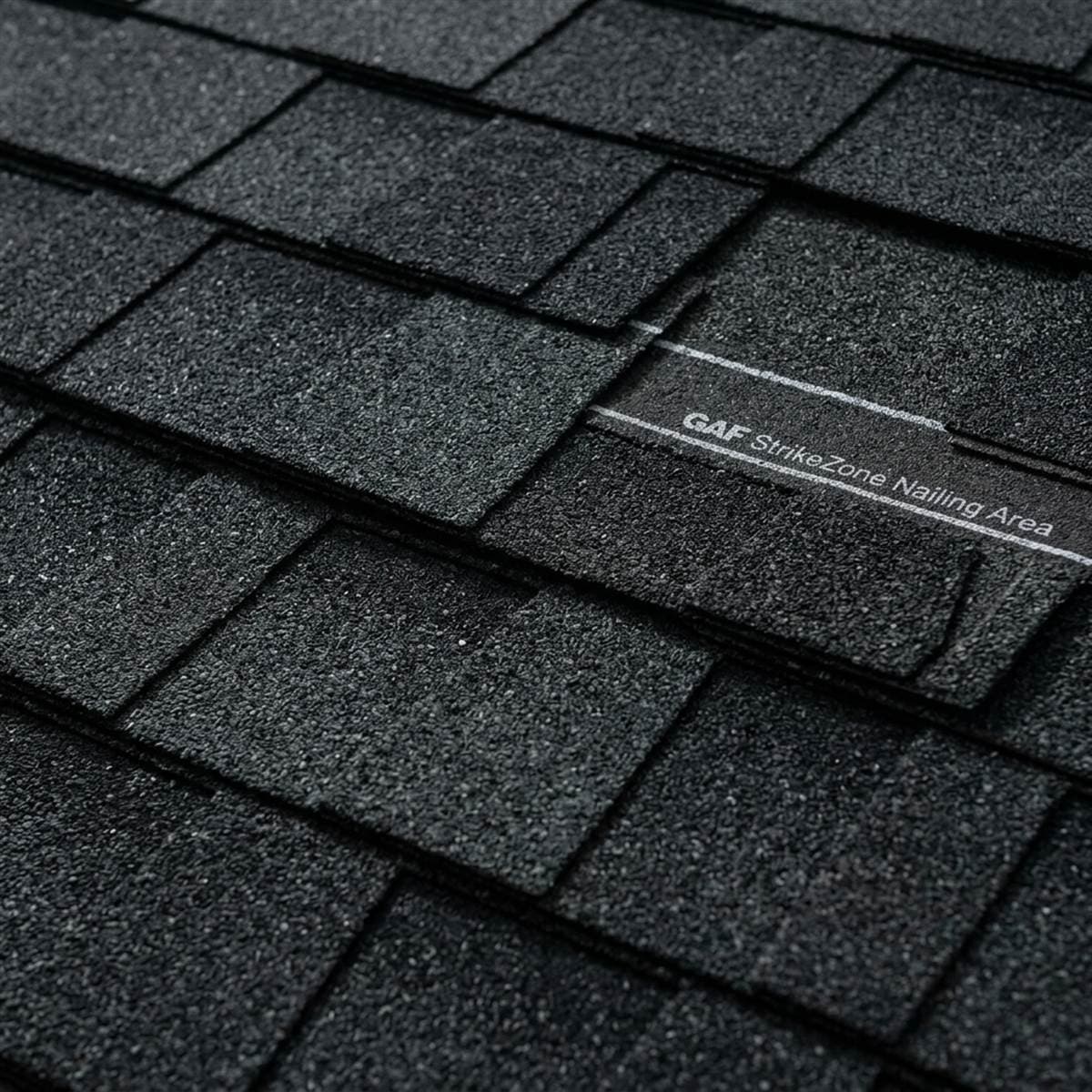
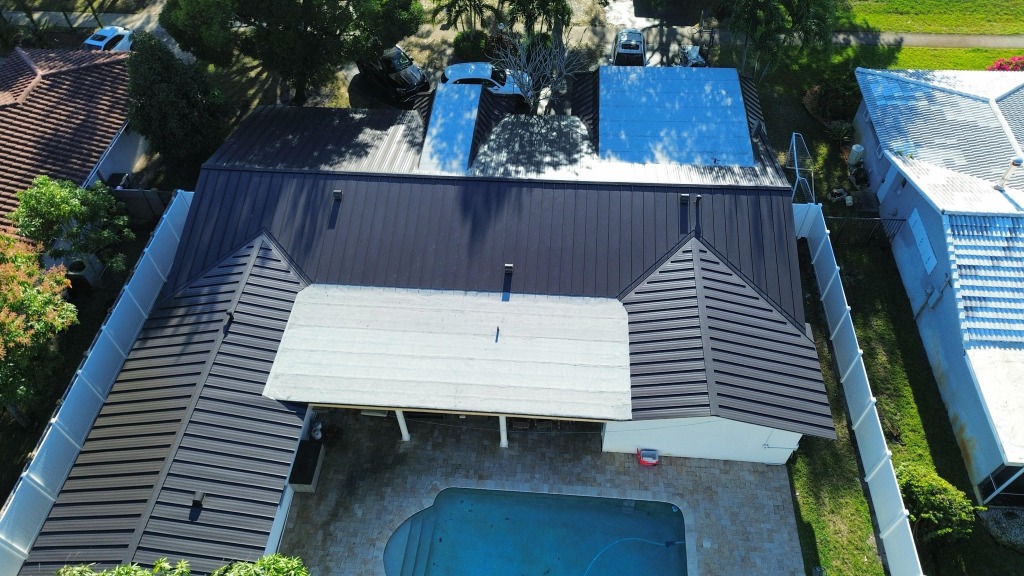
To armor residential properties against violent tropical storms, securing TAS 125 compliance is not optional. It is a strict mandate under the Florida Building Code. This ruthless testing standard measures exactly how metal roofing systems hold up against extreme wind uplift forces in high-velocity hurricane zones (HVHZ). Securing verified TAS 125 compliance guarantees your materials have survived brutal wind-borne debris testing and massive structural uplift pressures. For homeowners locked in Palm Beach, Martin, and Broward counties, hiring a contractor who guarantees TAS 125 compliance is the only way to safeguard your family and aggressively slash your annual home insurance premiums.
Table of Contents
- What Is TAS 125 Compliance in Florida Roofing?
- How Are Roofing Materials Tested under TAS 125?
- The Role of Miami-Dade Product Approval and NOAs
- Comparing Wind Uplift Standards across Roof Types
- How TAS 125 Influences Homeowner Insurance Discounts
- Related Services
What Is TAS 125 Compliance in Florida Roofing?
To truly grasp TAS 125 compliance, look at the Testing Application Standard (TAS) protocols engineered specifically for our hostile coastal zones. This standard brutally governs the engineering, design, and structural certification of metal standing seam and metal shingle assemblies.
These stress tests guarantee that panels will not rip off the structural roof decks when blasted by extreme negative pressure currents.
Why the HVHZ Requires Stricter Testing
The High Velocity Hurricane Zone (HVHZ) covers Broward and Miami-Dade counties. The wind ratings here are the highest in the nation. Maintaining TAS 125 compliance in these warzones guarantees your roof deck stays pinned down under massive wind suction.
- TAS 100: Blasts assemblies with wind-driven rain at 110 MPH to expose leaks.
- TAS 110: Dictates uncompromising physical property standards for secondary underlayments.
- TAS 125: Demands elite structural wind uplift resistance ratings for all metal cladding.
How Are Roofing Materials Tested under TAS 125?
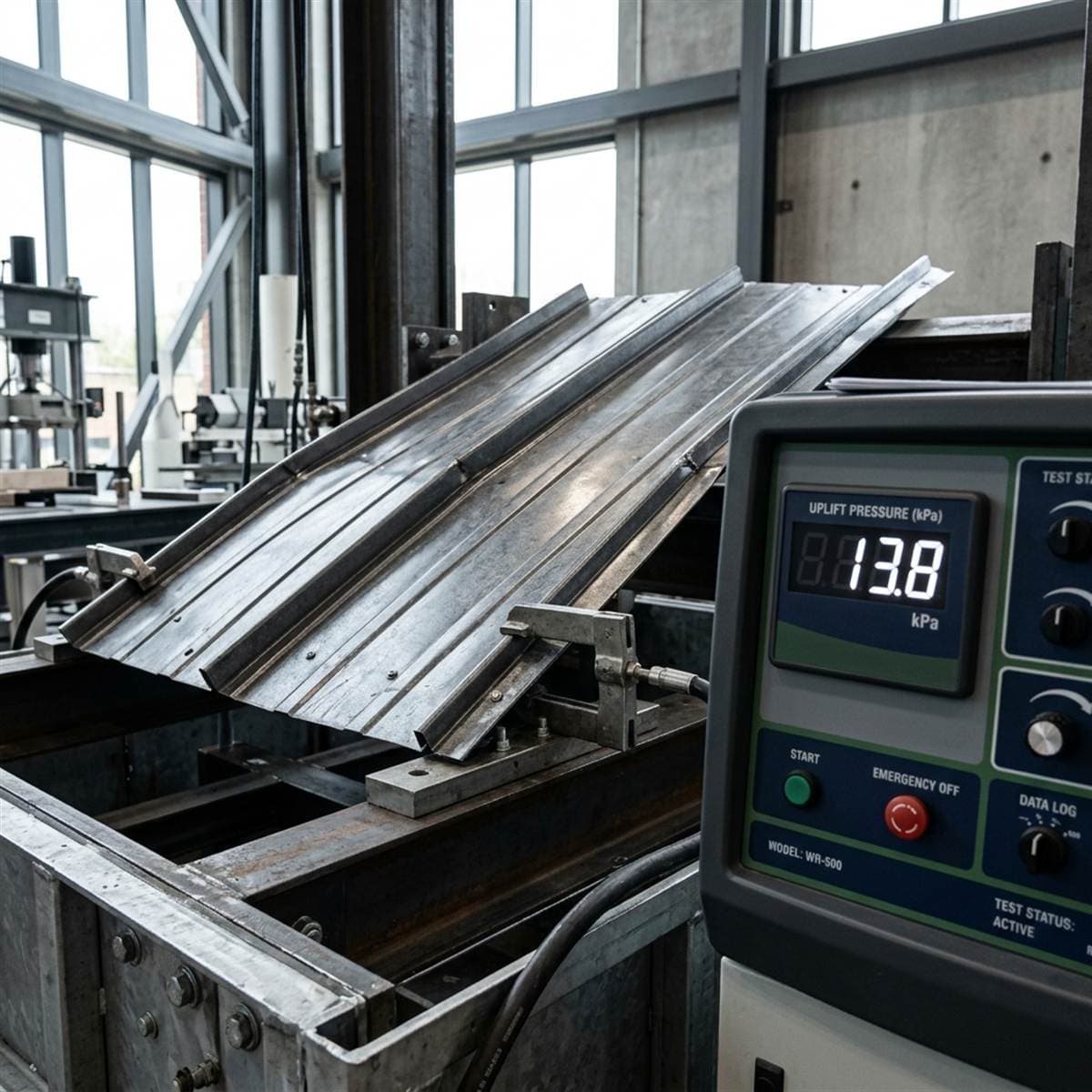
Earning TAS 125 compliance requires mounting sample roof assemblies inside a highly specialized pressure chamber. The chamber attacks the decking, clips, and metal panels with violent cyclic positive and negative pressure loads to perfectly simulate Category 5 hurricane gusts.
These extreme laboratory simulations prove that the structural fasteners will hold when real-world winds exceed 160 MPH.
Resisting Wind Uplift Failures
During the chamber tests, engineers measure raw structural deflection and fastener shear strength. Only the systems that maintain total structural integrity without tearing earn TAS 125 compliance certification.
The Role of Miami-Dade Product Approval and NOAs
In South Florida, you do not get a roofing permit without proof of product approval. Your TAS 125 compliance documentation is the backbone of a manufacturer's Miami-Dade Notice of Acceptance (NOA) package.
NOAs are the gold standard. They verify that the roofing assembly dominates the strict HVHZ wind-borne debris rules.
Verifying Product Approval Numbers
Homeowners must demand proof that their contractor uses materials with active approval codes. Install products lacking verified TAS 125 compliance, and you will fail your inspections. The county will force you to rip it all off and pay for a complete re-roof.
Comparing Wind Uplift Standards across Roof Types
Metal systems endure specific wind uplift tests to prove TAS 125 compliance, but other roofing materials face different validation paths under the building codes.
Look at the testing protocols and ratings below. Compare the raw material strength.
| Roofing System Class | Structural Wind Uplift Standard | Pressure Chamber Protocol | High-Velocity Hurricane Zone (HVHZ) Approved | Average Coastal Lifespan |
|---|---|---|---|---|
| Standing Seam Metal | TAS 125 | UL 580 / TAS 125 Cyclic | Yes (Certified) | 50 - 70+ Years |
| Architectural Shingle | ASTM D7158 Class H | Fan-Induced Uplift | Yes (with 6-nail pattern) | 15 - 20 Years |
| Clay Barrel Tile | TAS 101 | Foam Adhesive Pull Test | Yes | 50 - 80 Years |
| Commercial TPO Flat | TAS 114 | Dynamic Pull-Off Chamber | Yes | 20 - 25 Years |
How TAS 125 Influences Homeowner Insurance Discounts
Homeowners who demand systems with certified TAS 125 compliance lock in massive wind mitigation premium discounts from local carriers. This lower risk profile saves you hundreds, often thousands, of dollars annually.
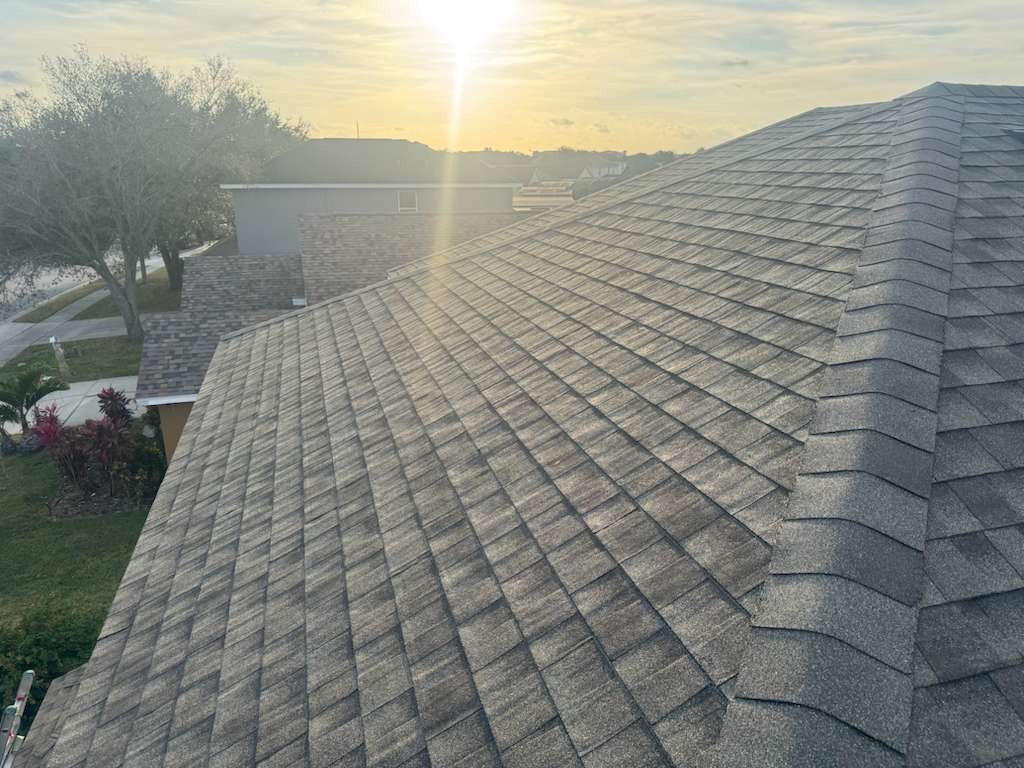
These massive premium reductions rapidly offset the initial capital required to upgrade to a standing seam metal system.
Securing Your Wind Mitigation Certificate
After the final installation, your inspector issues a certificate proving the roof assembly meets all HVHZ rules. Guaranteeing TAS 125 compliance is the smartest strategy to defend your physical structure and protect your wallet during storm season.
Related Services
To guarantee code compliance and secure your wind mitigation credits, explore our services:
- Schedule a hard consultation for certified Standing Seam Metal Roofing.
- Request a diagnostic inspection for high-wind Asphalt Shingle Repair in Jupiter.
- Review our code-compliant flat deck options, including heavy TPO Flat Roof Replacements.
- Restore aging commercial decks with premium Silicone Roof Coatings.
[!TIP] Planning a Roof Replacement? Use our interactive Florida Roof Replacement Cost Calculator to get an instant satellite measurement and pricing estimate for your property.
Local Service Areas & Regional Coverage
Diversified Roofing Solutions provides certified residential and commercial roofing services across South Florida and the Treasure Coast, including Palm Beach County, Martin County, Broward County, and St. Lucie County.