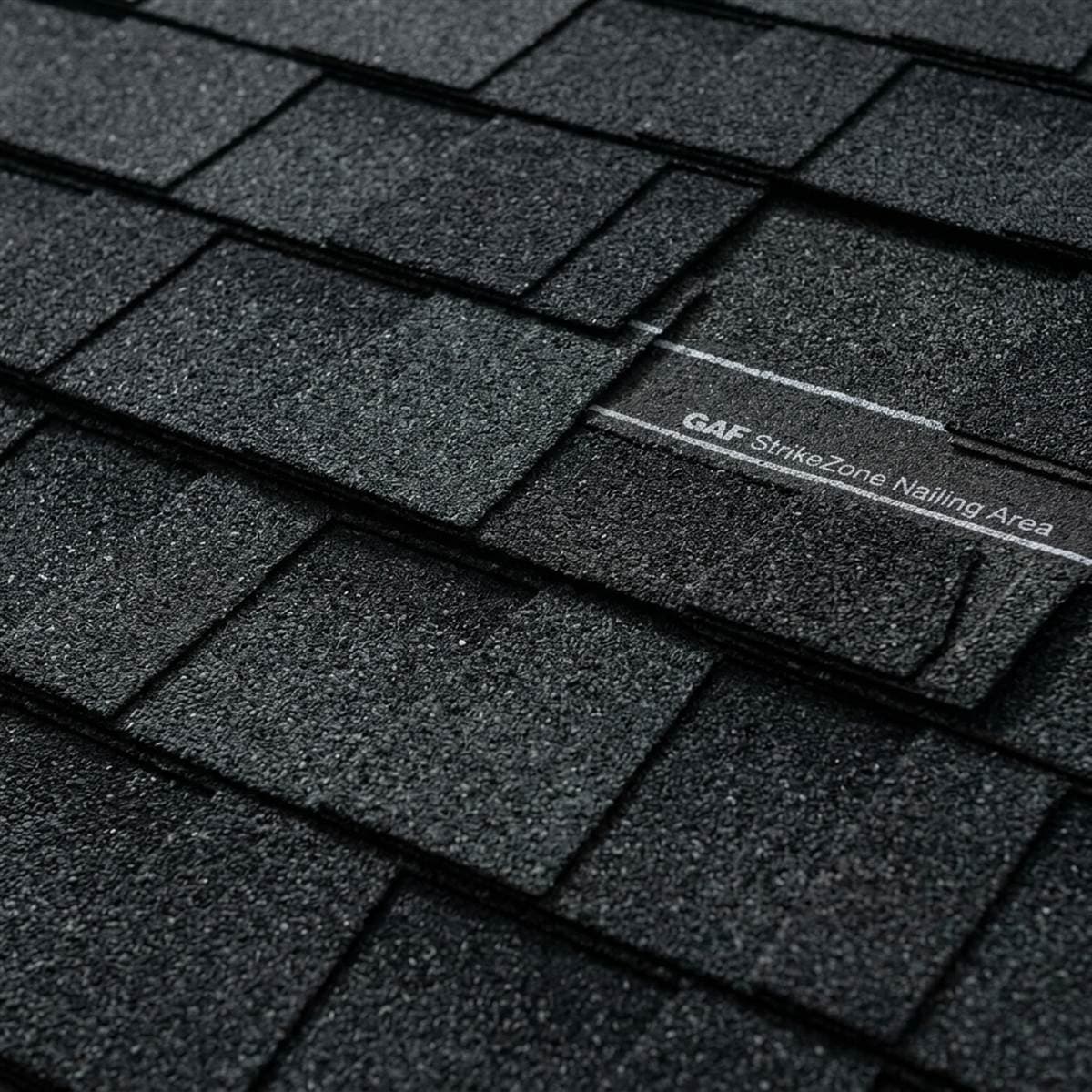
When you spec out a multi-ply asphalt flat roof, choosing the right application method for modified bitumen roofing dictates your fire safety and structural wind resistance. Torch-down and self-adhered (peel-and-stick) dominate the South Florida commercial industry. Torch-down relies on 800-degree propane torches to melt the bitumen backing into a bulletproof seal. Self-adhered systems use heavy-duty pressure-sensitive adhesives to lock the sheets together cold. Picking between these modified bitumen roofing methods isn't just about preference. It comes down to your building's location, strict local fire codes, and the hardcore storm safety required across Palm Beach, Martin, and Broward counties.
Overview of Torch-Down Modified Bitumen Roofing Methods
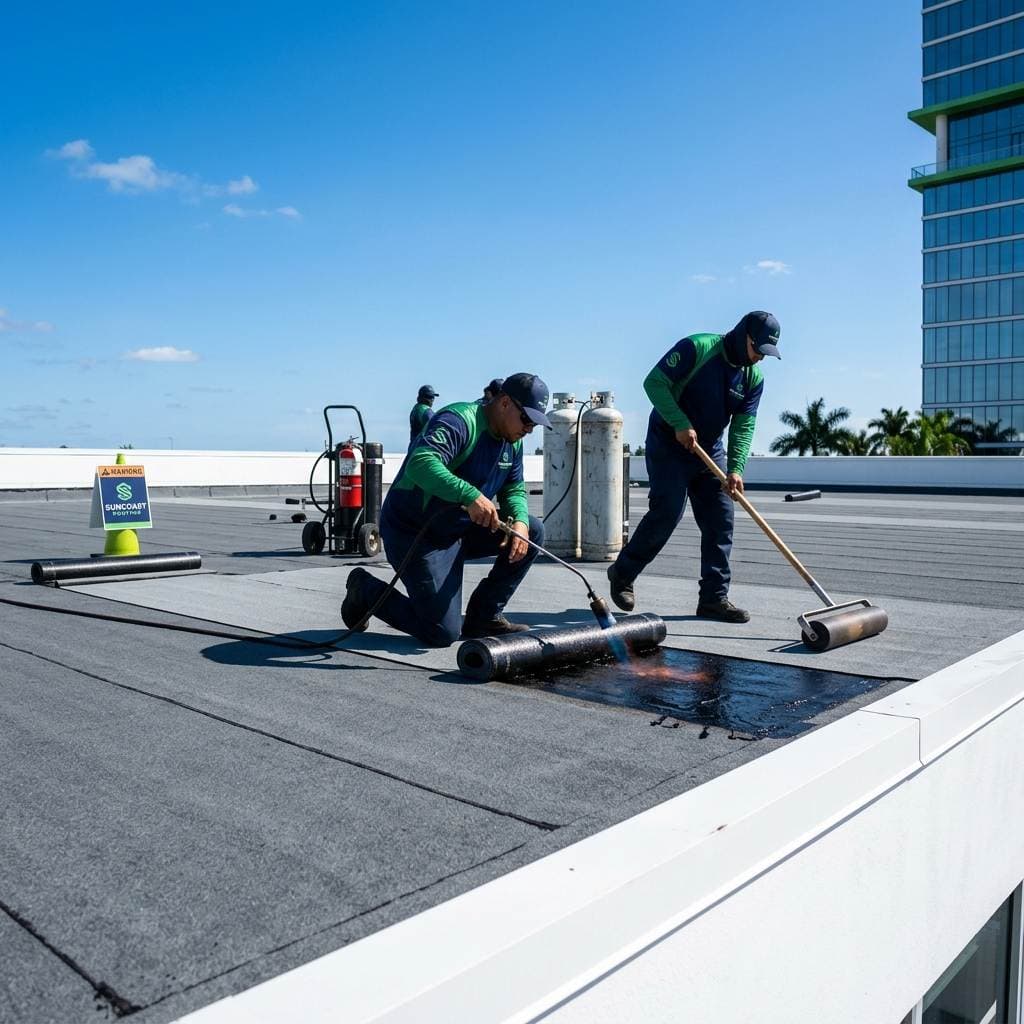
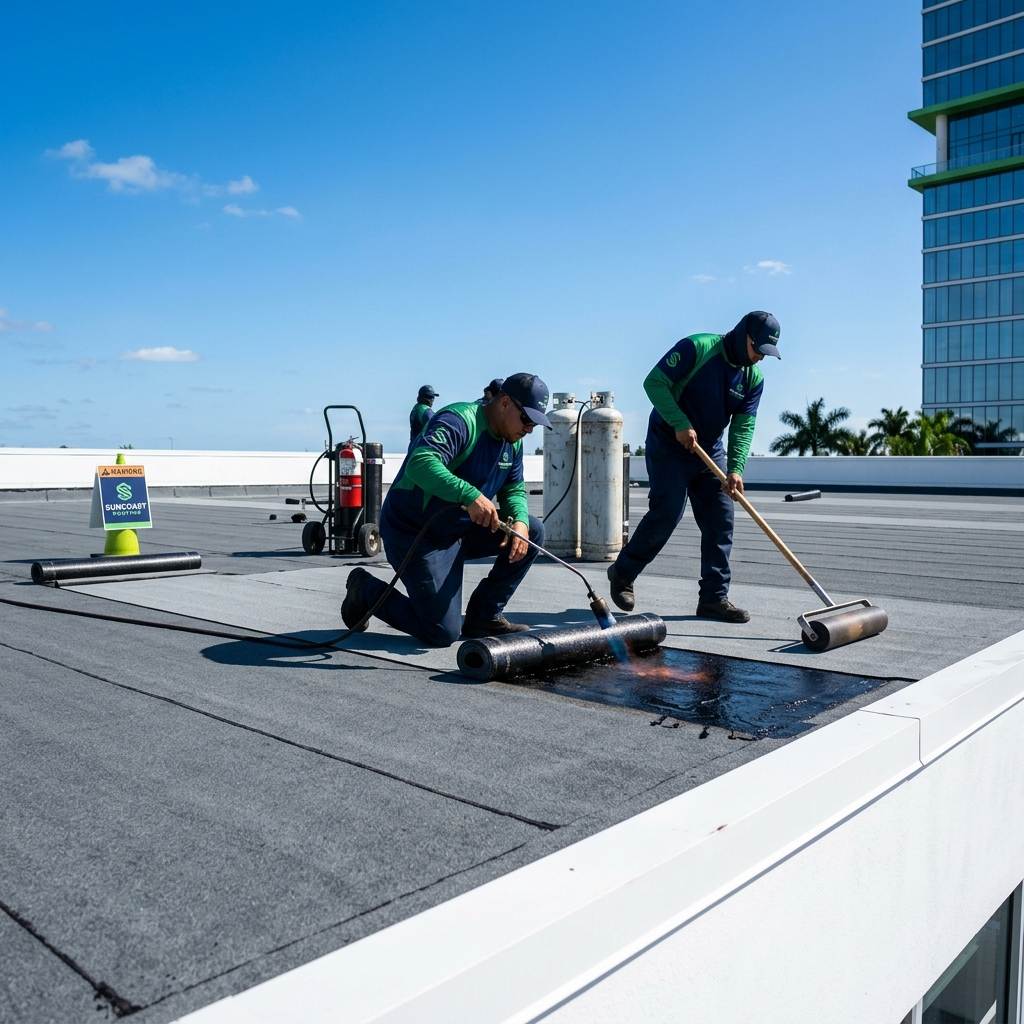
The traditional torch-down method is the undisputed heavyweight for modified bitumen roofing. It has guarded commercial flat structures for decades. Installers wield open flames to melt the asphalt backing under SBS or APP rolls, fusing them to the base. This aggressive process guarantees the modified bitumen roofing stays watertight during a Category 4 strike.
Property owners who demand certified commercial modified bitumen roofing systems get a tank-like, multi-ply asphalt shield. Our commercial crews are highly trained in both torch safety and high-velocity wind codes to execute these builds perfectly.
Thermal Sealing and Seam Strength in Torch Applications
Propane torches liquify the asphalt backing instantly. This allows adjacent sheets to bleed together into a single, cohesive waterproofing armor. When we deploy torch-down methods, the resulting seams laugh at standing water, maximizing your modified bitumen roofing service life. But firing up open flames means we pull strict safety permits and run active fire watch protocols on your roof.
- Asphalt Liquefaction: Melting the backing compound forms a thick adhesive flow that seals all microscopic pores.
- Mechanical Bonding: Fuses the modified rolls directly into the base sheet to prevent sheet slippage.
- Fire Hazards: Requires certified torch application permits (CERTA) and a dedicated fire watch crew.
Evaluating Self-Adhered Modified Bitumen Roofing Systems
Self-adhered systems deliver a modern, flame-free approach to installing modified bitumen roofing on low-slope properties. These rolls pack a factory-applied adhesive backing protected by a release film. We peel it, stick it, and roll it tight. This cold-applied modified bitumen roofing process goes down incredibly fast and keeps the job site safe.
- Peel-and-Stick Backing: Factory adhesive backing allows direct placement over primed base layers.
- No Torch Safety Risks: Perfect for hospital clinics, school zones, and occupied office properties.
- Weathering Restrictions: Requires clean substrates and warm ambient conditions to cure properly.
Cold-Applied Adhesives and Safety Advantages
Ditching the propane torches eliminates fire hazards instantly. That makes self-adhered options perfect for occupied hospitals, schools, and busy office buildings. If your facility stores volatile chemicals, local municipal safety codes will likely force you to use self-adhered modified bitumen roofing. The catch? Self-adhered sheets demand perfectly clean substrates and strict temperature minimums. If it's too cold, the adhesive won't grab.
Wind Uplift Ratings and Storm Durability
Both application methods fight off massive wind loads, but your modified bitumen roofing installation method dictates exactly how the system handles violent hurricane pressure differentials. When we seam them tight, multi-ply asphalt systems easily hit Class-90 wind ratings. For the ultimate defense, we specify a hybrid design: we mechanically fasten the base sheet to the deck, then lock down a self-adhered cap sheet on top.
Hybrid Systems and Florida Building Code Compliance
Mixing application methods lets building managers balance hard costs against safety. Deploying a hybrid modified bitumen roofing configuration is our standard operating procedure for high-wind installations in Fort Lauderdale, West Palm Beach, and Stuart. This setup crushes all high-velocity wind storm criteria.
Life Cycle Maintenance and Cost Comparisons
Look at the installation budgets. Torch-down drives up your labor costs because we require dedicated safety fire watches. Self-adhered modified bitumen roofing materials flip the script—they carry a steep manufacturer price premium, but labor is cheaper. The lifetime value of both systems is rock solid, delivering 15 to 20 years of brutal service. Want more time? Coat the roof with reflective silicone after a decade to reset the clock.
Restoring Aging Asphalt Systems with Liquid Membranes
Don't wait for structural failure. Coating your weathered asphalt roof intercepts leaks and stops a massive replacement project. Rolling liquid coatings over a solid modified bitumen roofing deck restores intense reflectivity and bridges microscopic cracks. This aggressive maintenance prolongs the asphalt system and saves you serious capital.
Application Method Comparison Matrix
The following table highlights the operational parameters of both modified bitumen installation methods:
| Project Parameter | Torch-Down APP / SBS Method | Self-Adhered (Peel-and-Stick) |
|---|---|---|
| Heat / Flame Required | Yes (Open propane torches, 800°F+) | No (Cold-Applied adhesive) |
| Fire Permit Required | Yes (OSHA Fire Watch mandatory) | No (Standard building permit only) |
| Material Base | APP (Plastomeric) or SBS (Elastomeric) | SBS (Elastomeric modified bitumen) |
| Wind Uplift Resistance | Class 90 (High bond strength) | Class 75 to Class 90 |
| Average Installed Cost | Lower material, higher safety labor | Higher material, lower installation labor |
| Weather Limitations | Can apply in cooler conditions | Requires 50°F and rising ambient temps |
Conclusion on Selecting Modified Bitumen Methods
Nailing down the right method depends entirely on your facility's fire restrictions, local municipal codes, and the structural deck type under your feet. Before you pull a permit for a modified bitumen roofing project, get a certified Diversified Roofing Solutions specialist on your roof. Working with our licensed installers ensures your modified bitumen roofing investment handles Florida's worst weather and carries a bulletproof manufacturer warranty.
Local Service & Contact Signals
Diversified Roofing Solutions provides certified flat roof inspections, maintenance, and installations across South Florida. Contact our Jupiter headquarters for emergency support or a free commercial flat roof assessment.
Diversified Roofing Solutions, Inc.
📍 1829 Park Ln S, Suite 8, Jupiter, FL 33458
📞 (561) 841-5676
✉️ info@diversifiedroofingfl.com
[!TIP] Planning a Roof Replacement? Use our interactive Florida Roof Replacement Cost Calculator to get an instant satellite measurement and pricing estimate for your property.
Local Service Areas & Regional Coverage
Diversified Roofing Solutions provides certified residential and commercial roofing services across South Florida and the Treasure Coast, including Palm Beach County, Martin County, Broward County, and St. Lucie County.