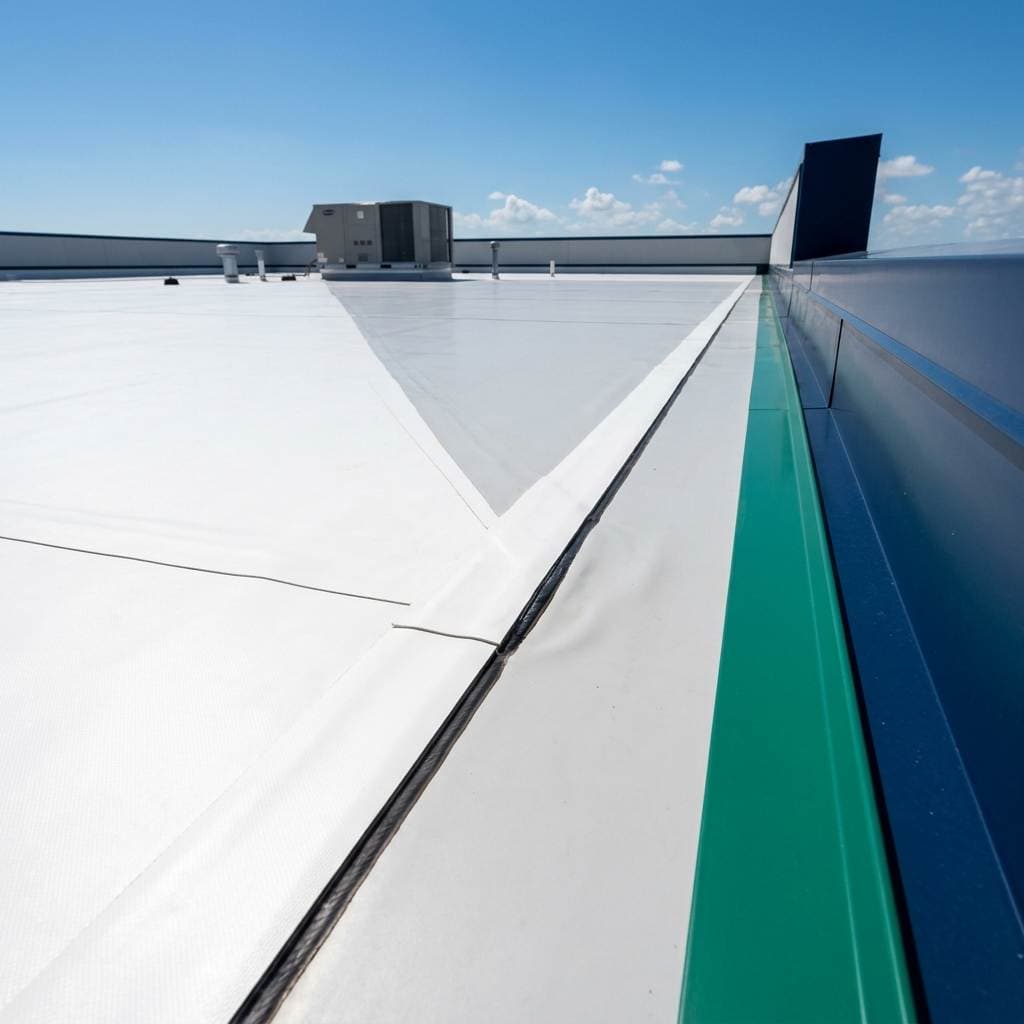
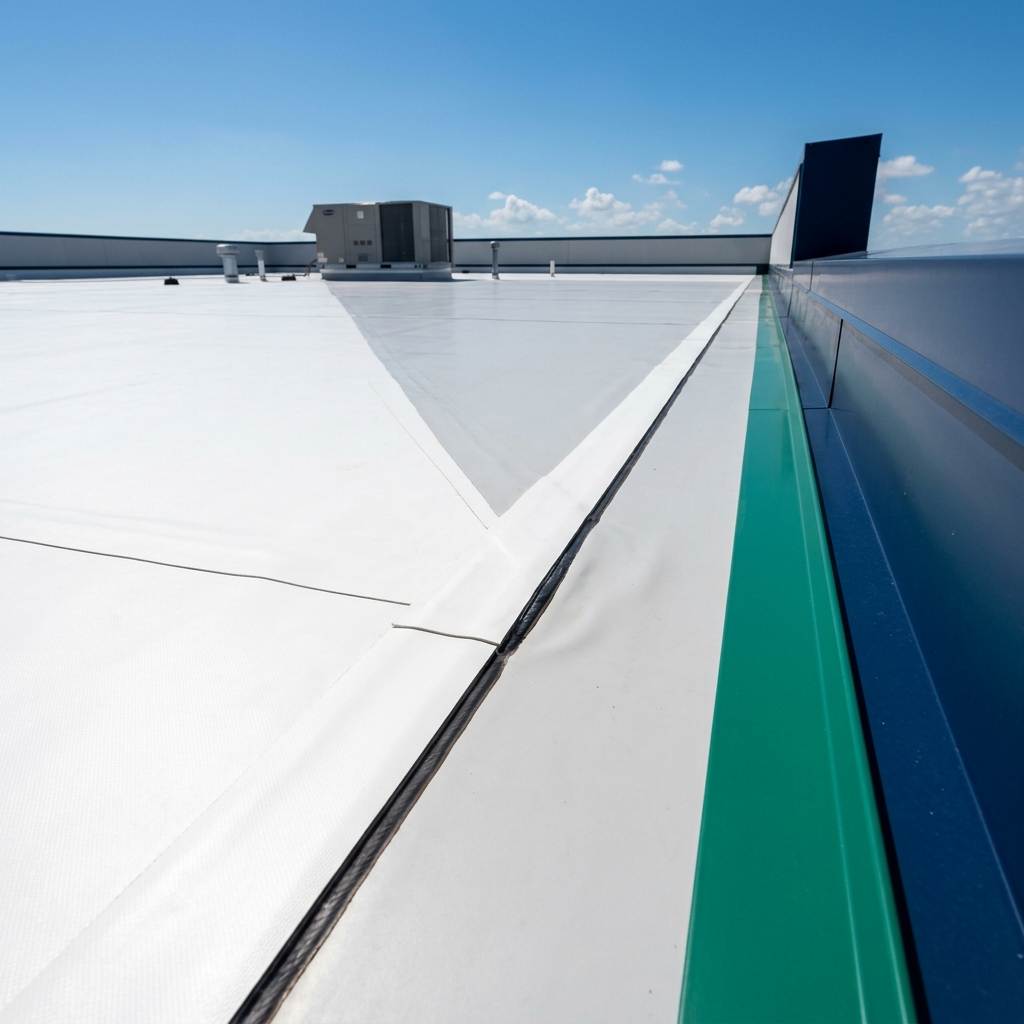
When it's time to re-cover a massive flat roof in South Florida, you need to tear down the facts on TPO vs PVC roofing. Both materials are highly reflective, single-ply thermoplastic membranes. They deliver massive energy savings and serious wind resistance. But their chemical makeup, physical flexibility, and tolerance for industrial exhaust are totally different. Understanding exactly how TPO vs PVC roofing handles heavy chemical exposure and structural shifting dictates which membrane actually protects your Palm Beach, Broward, or Martin County property.
Chemical Composition and Performance of TPO vs. PVC Roofing
The defining difference between TPO vs PVC roofing comes down to chemistry. PVC is packed with plasticizers. That makes the material incredibly flexible and highly resistant to fire and chemical spills. TPO takes a different path. It's a tough blend of polypropylene and ethylene-propylene rubber that prioritizes massive puncture resistance.
If you need extreme heat reflectivity on a tight budget, commercial TPO roofing systems lay down a rock-solid barrier. Got a restaurant or industrial plant spewing exhaust? You need the chemical armor of commercial PVC roofing installations.
Chemical Resistance and Grease Exposure
When you pit TPO vs PVC roofing against commercial kitchens or heavy manufacturing floors, chemical resistance ends the debate. PVC membranes laugh at hot grease, cooking oils, and harsh chemical discharges. Those exact same compounds will melt and destroy TPO in months. But if you're just roofing a standard warehouse or office building? The TPO vs PVC roofing choice swings back to upfront cost and thermal reflectivity.
- PVC Resistance: Superior protection against animal fats, restaurant exhaust, acids, and common fuel oils.
- TPO Resistance: Highly resistant to mold, algae, and UV rays, but vulnerable to direct contact with petroleum products.
Physical Durability and Puncture Resistance of TPO vs. PVC Roofing
Putting TPO vs PVC roofing to the physical test reveals sharp differences in puncture resistance and weld strength. TPO simply takes a beating better. It fights off dropped tools and heavy HVAC foot traffic. On the flip side, if your roof is loaded with high-temperature exhaust pipes, the TPO vs PVC roofing debate favors PVC. It holds exceptional thermal stability without warping.
- Puncture Resistance: TPO holds a slight edge due to its rubberized ethylene-propylene component.
- Thermal Stability: PVC remains highly stable across a wider range of operating temperatures without shrinking.
Wind Uplift and Hurricane Performance
In South Florida's violent high-velocity hurricane zones, both TPO vs PVC roofing hold the line—if installed by hardcore professionals. Wind mitigation ratings for TPO vs PVC roofing rely entirely on our deck fastening patterns and robotic seam welding. We hot-air weld those seams until they are physically stronger than the rubber itself, guaranteeing total storm resilience.
Installation Costs and Lifetime Value: TPO vs. PVC Roofing
Running the numbers on TPO vs PVC roofing proves TPO is the budget-friendly heavyweight. Because PVC requires heavy chemical plasticizers, the raw material cost runs 15% to 30% higher than TPO. But you have to run the long game. Looking at the total lifetime value of TPO vs PVC roofing, PVC's 30-year lifespan easily justifies that upfront premium for specialized facilities.
Energy Efficiency and Cool Roof Performance
Both membranes crush it when it comes to energy efficiency. Comparing TPO vs PVC roofing reflectivity is basically a tie. Both stark-white sheets blast over 80% of solar radiation back into the sky, neutralizing the brutal urban heat island effect in Fort Lauderdale and West Palm Beach. Deploying either TPO vs PVC roofing will aggressively slash your cooling expenses compared to a dark, boiling asphalt flat roof.
Material Comparison Matrix
The following table summarizes the key engineering parameters for selecting between thermoplastic membranes in Florida:
| Feature / Metric | TPO Single-Ply Roofing | PVC Single-Ply Roofing |
|---|---|---|
| Material Base | Polypropylene & Rubber Blend | Polyvinyl Chloride (Plasticized) |
| Chemical & Oil Resistance | Fair (Sensitive to Fats/Grease) | Excellent (Grease-Resistant) |
| Puncture Resistance | High | Moderate to High |
| Average Installed Cost | Lower ($5.50 - $8.50 / sq ft) | Higher ($7.50 - $11.50 / sq ft) |
| ASTM Fire Rating | Class A / B | Class A (Naturally Self-Extinguishing) |
| Expected Lifespan | 15 - 25 Years | 20 - 30 Years |
Conclusion on TPO vs. PVC Roofing
Locking in the right roof demands a hard look at your property's daily operations and environmental risks. Call Diversified Roofing Solutions. Our veteran teams will tear down the facts on your building before you commit massive capital to a membrane.
Local Service & Contact Signals
Diversified Roofing Solutions provides certified flat roof inspections, maintenance, and installations across South Florida. Contact our Jupiter headquarters for emergency support or a free commercial roof assessment.
Diversified Roofing Solutions, Inc.
📍 1829 Park Ln S, Suite 8, Jupiter, FL 33458
📞 (561) 841-5676
✉️ info@diversifiedroofingfl.com
[!TIP] Planning a Roof Replacement? Use our interactive Florida Roof Replacement Cost Calculator to get an instant satellite measurement and pricing estimate for your property.
Local Service Areas & Regional Coverage
Diversified Roofing Solutions provides certified residential and commercial roofing services across South Florida and the Treasure Coast, including Palm Beach County, Martin County, Broward County, and St. Lucie County.