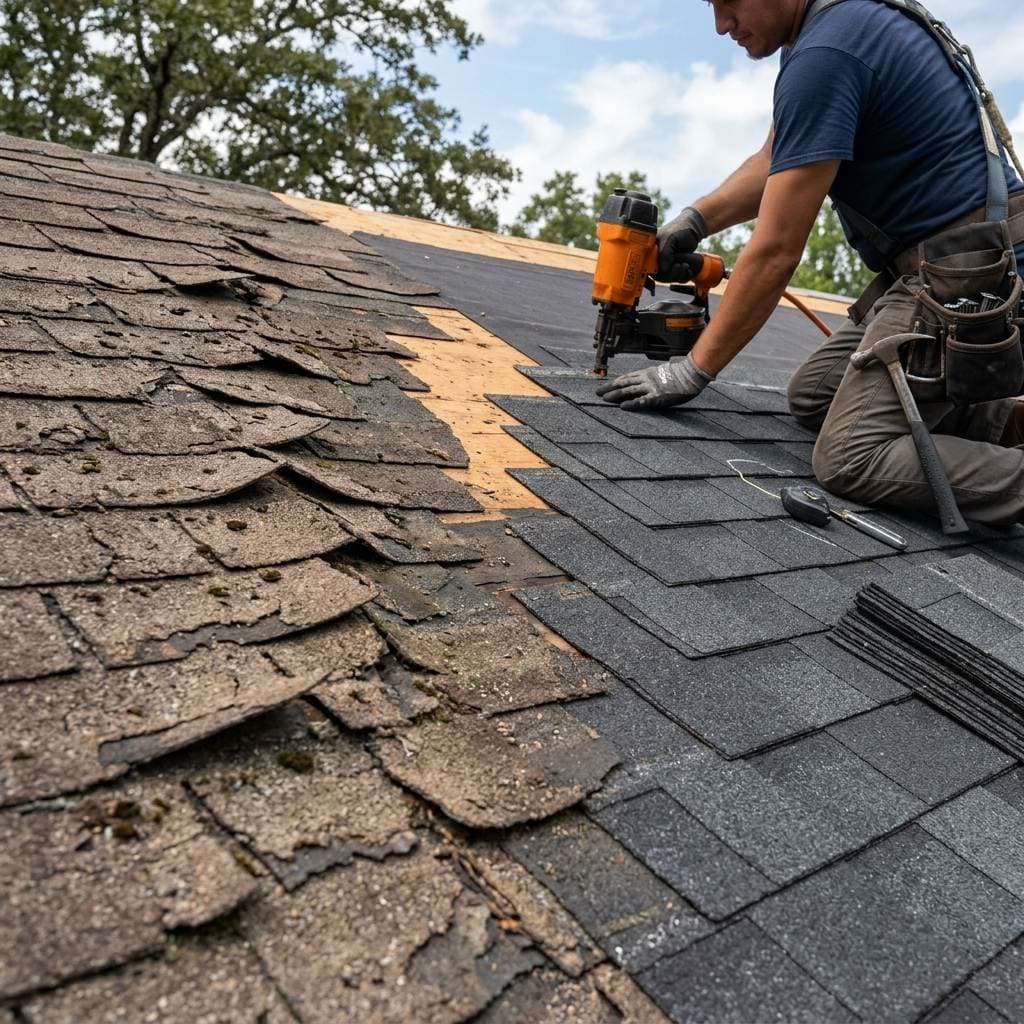
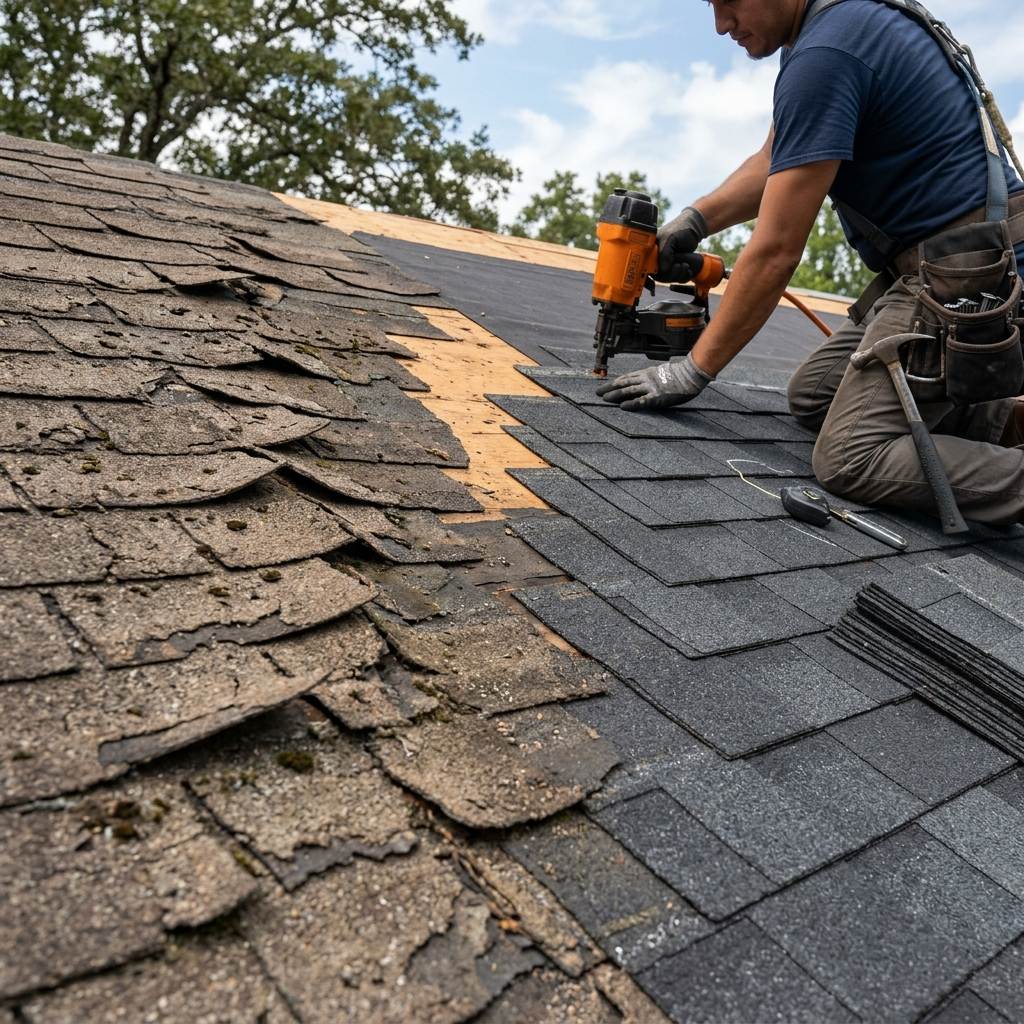
When you are planning a roof replacement in South Florida, you need hard facts about how long asphalt shingles actually survive. Manufacturers print 25-year or 30-year warranties on the wrapper, but the true lifespan of these materials drops fast under our brutal coastal weather. Extreme solar radiation, heavy salt air, and violent hurricane winds shred standard roofing materials. Understanding how these elements destroy your asphalt shingles is the only way to know when it is time to stop patching leaks and start planning a serious upgrade.
Factors That Degrade Asphalt shingles
Florida's climate destroys residential roofing systems. The three main killers are thermal shock, ultraviolet (UV) radiation, and Category-4 winds. During a Jupiter summer, roof deck temperatures easily break 160 degrees. This relentless solar heat bakes the volatile organic oils right out of fiberglass shingles. The asphalt core turns brittle. It loses its elasticity.
When a sudden afternoon thunderstorm rolls in, the temperature drops fast. That rapid thermal contraction causes hairline cracks across the asphalt mat. Over time, these expansion and contraction cycles warp individual panels, tear the seams apart, and invite water straight into your underlayment. Worse, those UV rays bake the adhesive sealant strips that lock the courses together. Once that seal breaks, your roof is defenseless against wind uplift during a tropical storm.
Normal Lifespan of 3-Tab vs. Architectural Panels
The physical design of your shingle dictates its survival rate. Traditional 3-tab systems feature a thin, single-layer profile. In coastal climates like Palm Beach or Martin County, standard 3-tab shingles tap out after 12 to 15 years. They just lack the structural mass to handle repeated storm fronts before widespread tab loss and leaks take over.
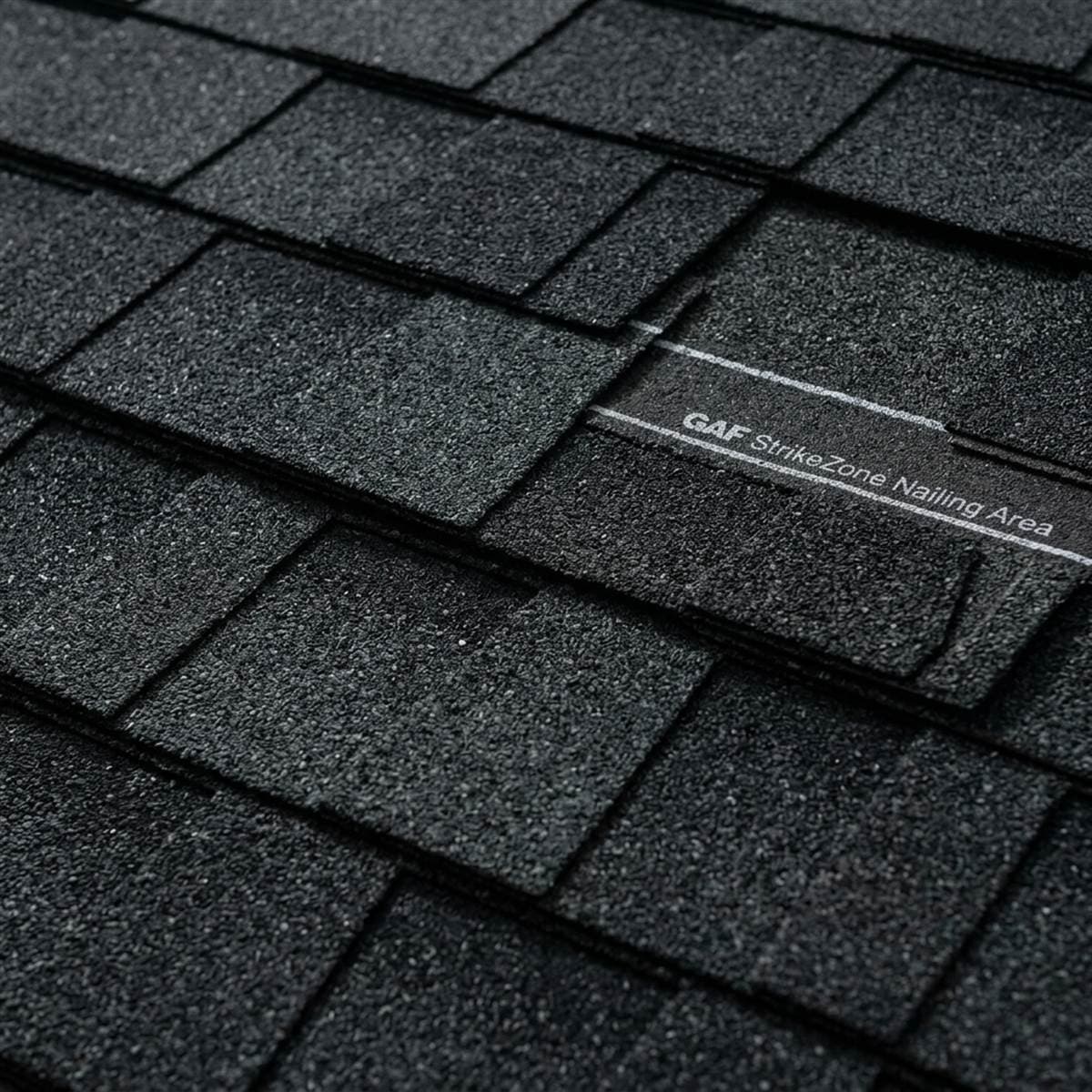
Architectural options? They are a completely different animal. These dimensional shingles are twice as thick. The double-layered laminated design resists tearing and stops edges from curling under extreme thermal stress. They also pack a much wider nailing zone. This guarantees every fastener we drive penetrates both layers of the laminated sheet. When building inspectors demand photo documentation of nail lines, architectural products make it easy to pass compliance checks. That heavy-duty thickness delivers superior holding power against hurricane-force winds. A properly installed dimensional system locks in 20 to 25 years of hardcore protection.
Maintenance Practices to Extend Your Roof's Life
You can't control the weather, but aggressive maintenance stops premature aging. Algae and mold love South Florida humidity. They colonize your roof, creating dark streaks that absorb solar heat and turn your attic into an oven. You need to wash these growths off using strict soft-wash methods. Never point a high-pressure wand at an asphalt roof. The intense water pressure blasts the protective ceramic granules right off the mat, destroying the system instantly.
Clearing mold and heavy debris prevents early degradation of shingles and lets water drain fast. You also have to keep your gutters clear. When water backs up under the drip edge, it rots the wood perimeter of your roof deck. Routine care keeps those solar-reflective granules intact. Learn the exact methods to clean and maintain your roof shingles safely to maximize their run.
When Is It Time to Replace Your Roof?
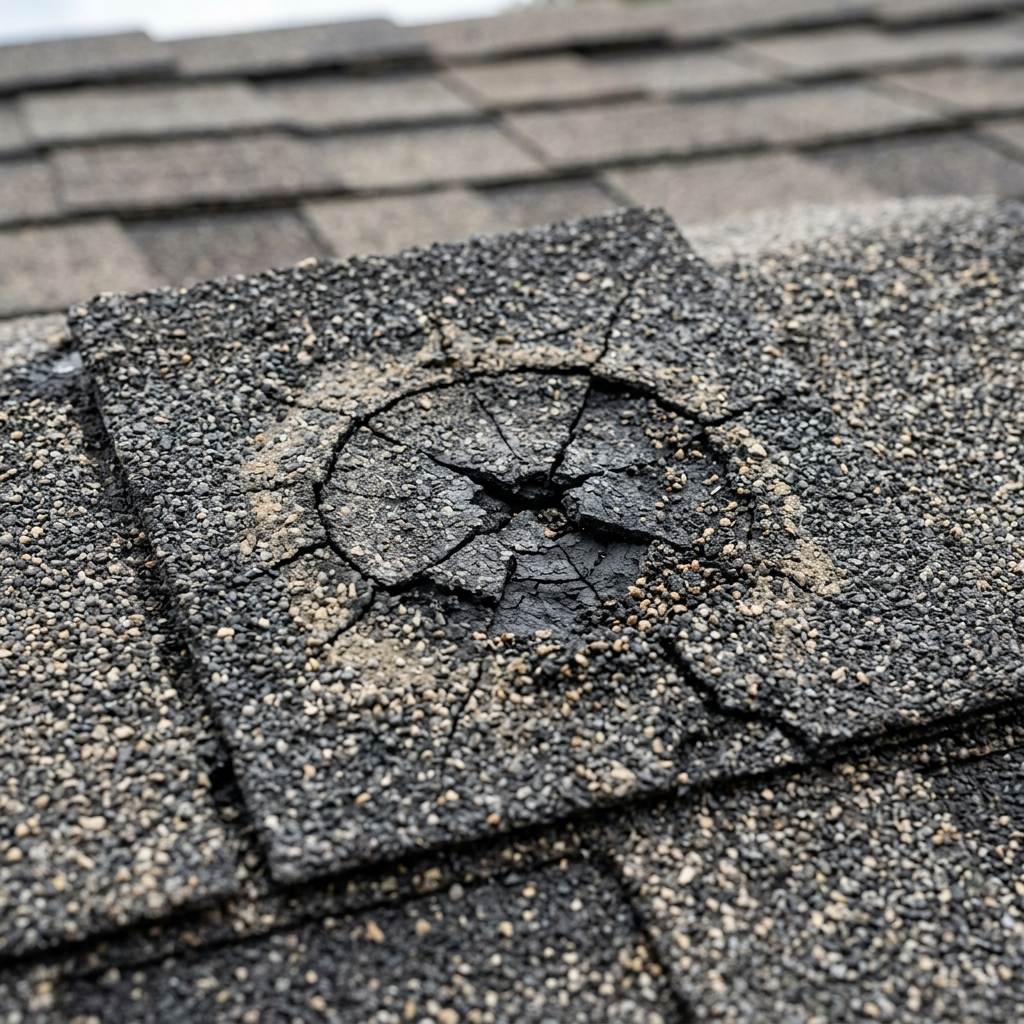
When a roof hits the end of its life, minor issues become catastrophic interior leaks. You have to hunt for systemic wear. Look for curled edges, bald spots where granules have washed away, and cracked tabs. If you spot damage on more than 15% of the roof surface, dropping a few patch shingles won't save you.
Review the warning signs your shingles roof is failing to know exactly what to look for. When you are ready to plan the next build, check our guide on selecting the best roof shingles for high-wind zones.
Upgrade to Secure Your Property
Patching a few broken shingles buys you time. But once that asphalt core turns brittle, you need a full replacement. Ripping off the old deck and upgrading to a premium dimensional system secures your home, drops your cooling bills, and gets your insurance carrier off your back. A brand-new roof is massive leverage during real estate negotiations, stopping buyers from demanding huge price drops.
Call Diversified Roofing Solutions today for a hardcore evaluation of your asphalt shingles. Our certified superintendents will get on your roof, pull a detailed condition report, and map out the exact materials you need for long-term storm protection. We verify seal strength, check the deck nailing patterns, and inspect your flashing alignments. With our local Florida experience, we know exactly how to build a roof that beats the weather and satisfies the insurance companies.
[!TIP] Planning a Roof Replacement? Use our interactive Florida Roof Replacement Cost Calculator to get an instant satellite measurement and pricing estimate for your property.
Local Service Areas & Regional Coverage
Diversified Roofing Solutions provides certified residential and commercial roofing services across South Florida and the Treasure Coast, including Palm Beach County, Martin County, Broward County, and St. Lucie County.