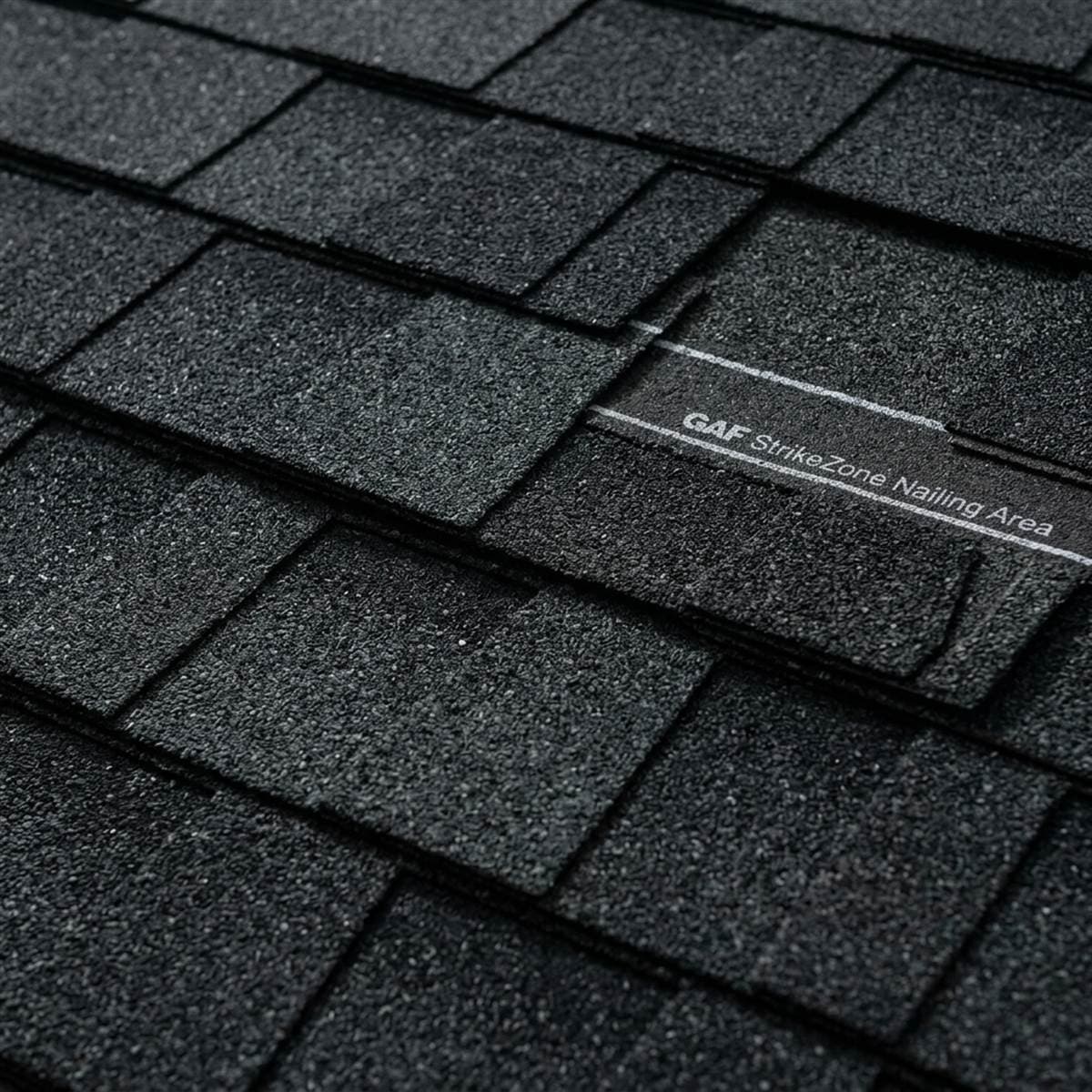
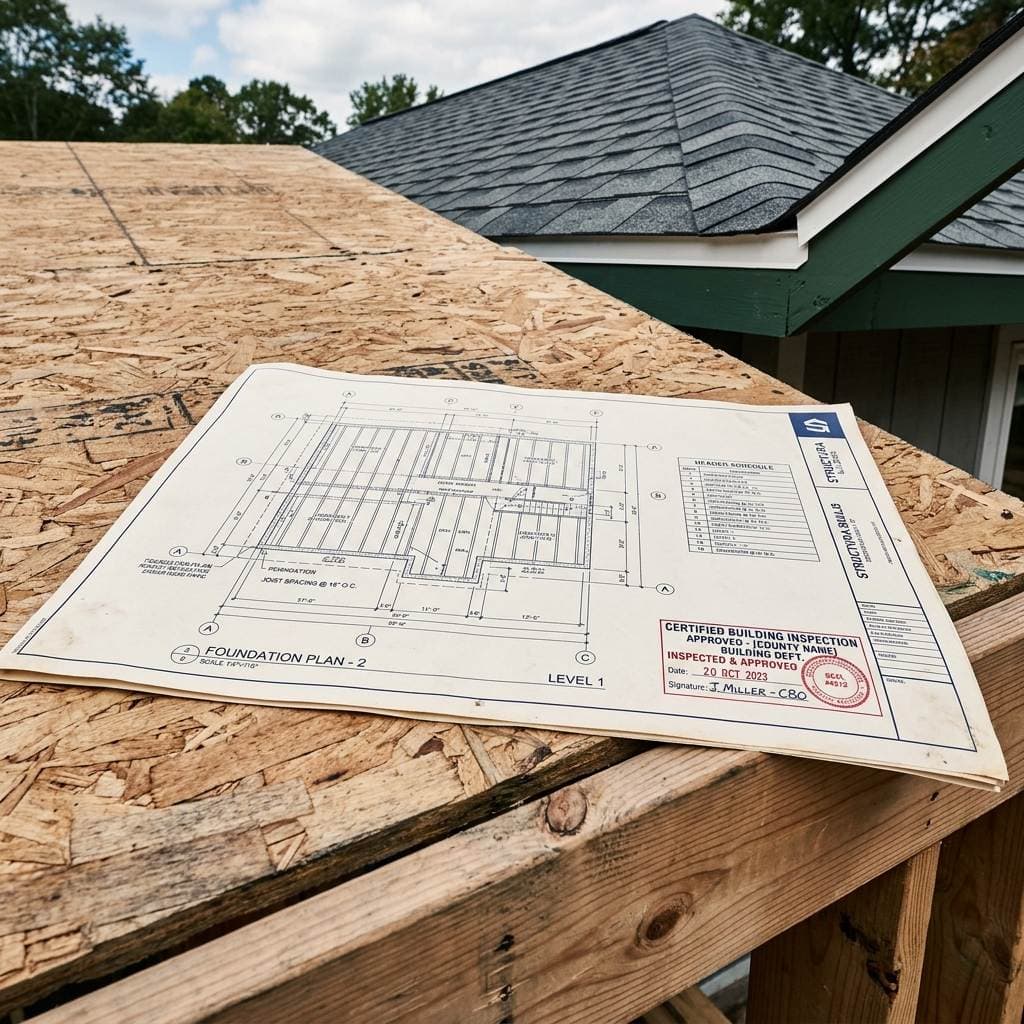
When you tear off a roof in South Florida, you don't just nail down new shingles. You build strictly to the Florida Building Codes. These hardcore statewide regulations dictate exact wind load limits, underlayment barriers, and heavy-duty deck fastening patterns. Miss a spec in the High-Velocity Hurricane Zone? You fail inspection. Your insurance gets voided. You pay the price. For homeowners in Palm Beach, Martin, and Broward counties, hiring a veteran roofing crew that actually understands the Florida Building Codes is the only way to guarantee your house survives the next Category 4 strike.
Table of Contents
- What Are the Florida Building Codes for Residential Roofing?
- Wind Load Requirements in High Velocity Hurricane Zones (HVHZ)
- Underlayment Standards and Secondary Water Barrier Rules
- Comparing Code Requirements Across Major Roofing Materials
- The Importance of Professional Permitting and Inspection Stages
- Related Services
What Are the Florida Building Codes for Residential Roofing?
The residential chapters of the Florida Building Codes rule every square inch of your roof deck. They dictate the exact gauge of the metals, the chemical makeup of the adhesives, and the exact nail patterns required to stop a hurricane from ripping your roof off.
Every single product we put on your house—from the architectural shingles to the ridge vents—must carry a valid Florida Product Approval or a Miami-Dade Notice of Acceptance (NOA). If the state hasn't tested and approved it, it doesn't go on the roof.
Evolution of Roof Engineering Standards
Hurricane Andrew changed everything. The devastation forced the state to combine weak municipal rules into a single, brutal standard. Now, the state updates the Florida Building Codes every three years based on raw engineering data and storm analysis. We build to the latest Florida Building Codes because that's what keeps your family safe.
- ASCE 7 Standards: We calculate exact wind loads based on your home's height, shape, and exposure.
- Product Testing: Materials endure extreme pressurized water and high-velocity impact tests.
- HVHZ Rules: Miami-Dade and Broward counties enforce the strictest coastal standards in the world.
Wind Load Requirements in High Velocity Hurricane Zones (HVHZ)
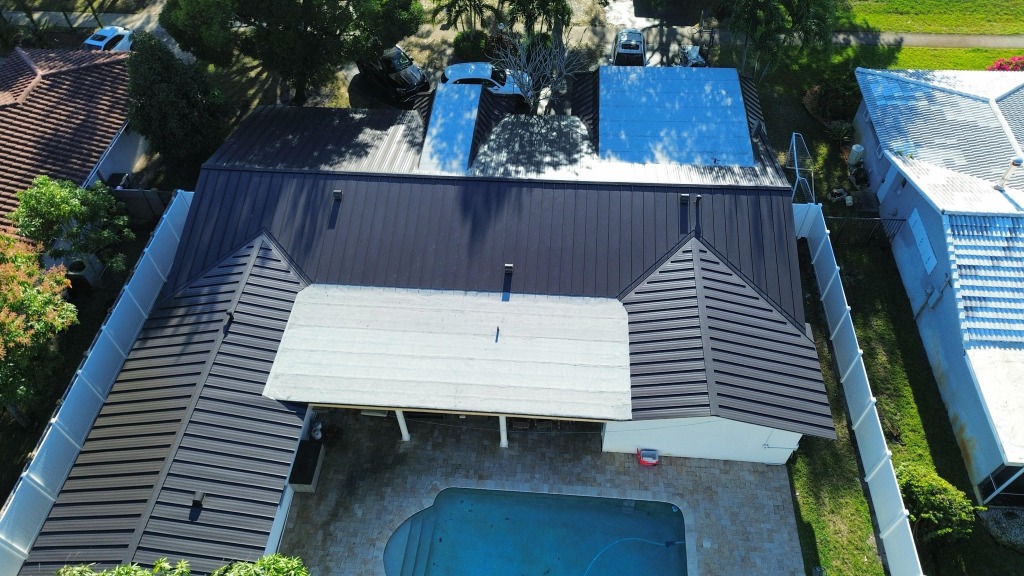 Properties inside the HVHZ don't get a pass. You have to meet the absolute toughest wind-borne debris rules written into the Florida Building Codes. We are required to engineer your roof deck to take on wind forces exceeding 170 MPH.
That means we deploy heavy-duty deck attachments, custom-fabricated flashings, and outer coverings certified to take a direct impact.
Fastener Densities and Ring-Shank Nails
Building inspectors demand perfection on the wood deck. We lock down your plywood using 8d ring-shank nails, driven every six inches along the panel seams. The Florida Building Codes enforce this aggressive nailing pattern because it doubles the deck's sheer resistance against wind peel. If a contractor tries to cut corners on these Florida Building Codes during the tear-off, the inspector will shut the job down instantly.
Underlayment Standards and Secondary Water Barrier Rules
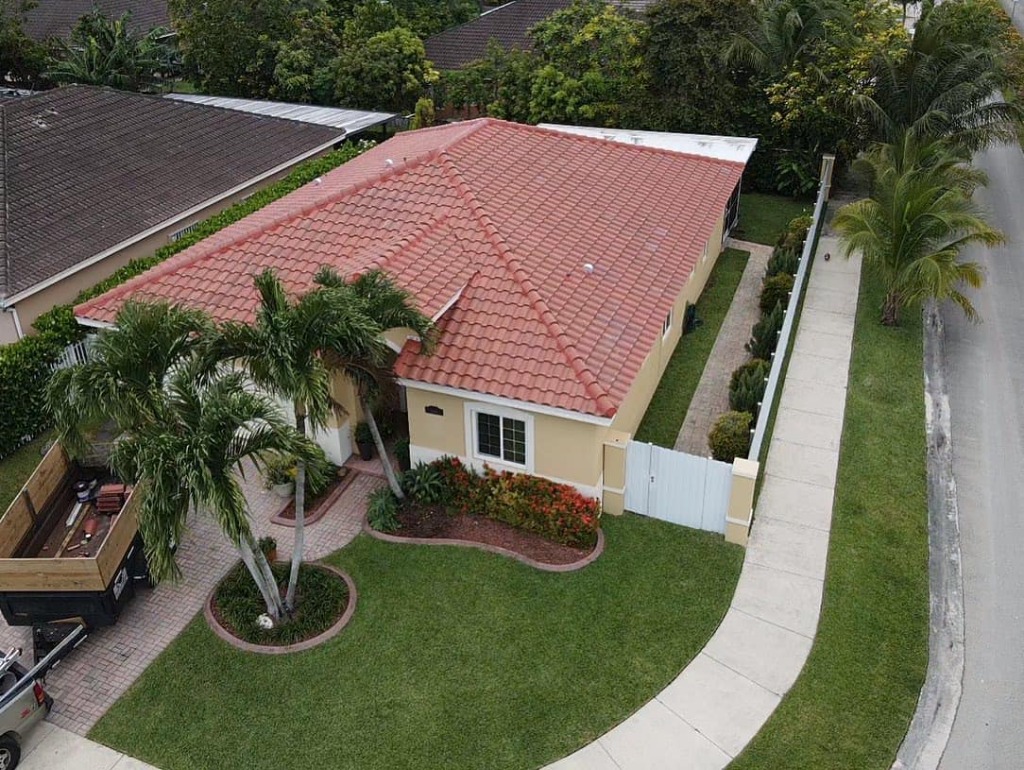 The latest revisions to the Florida Building Codes demand a bulletproof secondary water barrier. We strip the deck to the bare wood and roll out a heavy, self-adhering membrane. If a Category 4 storm rips away your shingles or tiles, this secondary barrier holds the line.
Water intrusion destroys the interior of your home. This sealed barrier stops that disaster cold.
High-Temp Self-Adhering Membranes
The code dictates you use either a thick, self-adhering polymer-modified bitumen sheet or a heavily taped synthetic underlayment. We roll out the heavy stuff. Installing these premium layers under the Florida Building Codes guarantees your house stays dry and forces your insurance company to give you massive premium discounts.
Comparing Code Requirements Across Major Roofing Materials
Every material plays by a different set of rules. The engineering specs below show exactly how the Florida Building Codes mandate the installation of tiles, metal, and shingles.
Know the facts before you sign a contract for a replacement material.
| Material Class | Code Wind Rating Requirement | Underlayment Standard | Fastening System specification | Florida Product Approval |
|---|---|---|---|---|
| Standing Seam Metal | Up to 180 MPH (HVHZ) | High-Temp Self-Adhered | Concealed Non-Penetrating Clips | Required (certified NOA) |
| Architectural Shingle | Up to 130 MPH | Self-Adhered or Taped Synth | 6 Ring-Shank Nails per Shingle | Required |
| Clay Barrel Tile | Up to 150 MPH | Double-Layer self-adhered | Foam Adhesive + Screws | Required (Miami-Dade Approved) |
| Commercial TPO Flat | Up to 160 MPH | Self-Adhered Vapor Barrier | Induction Welded Plates | Required |
The Importance of Professional Permitting and Inspection Stages
You cannot run a roof replacement in South Florida without pulling a local municipal permit. The Florida Building Codes force us to pause the job for strict in-progress structural inspections. The city verifies our deck nailing, approves our underlayment, and scrutinizes our flashing details.
Our veteran superintendents coordinate every inspection to ensure your roof passes code enforcement the first time.
Securing Wind Mitigation Certifications
When the job is done, you get a wind mitigation inspection. This document proves to your insurance carrier that the roof crushes the structural standards of the Florida Building Codes. Submit proof of compliance with these Florida Building Codes, and watch your annual insurance premiums plummet. Hire Diversified Roofing Solutions, and we guarantee your roof hits every code requirement on the books.
Related Services
To ensure code compliance and storm defense, explore our services:
- Schedule a consultation for wind-resistant Standing Seam Metal Roofing systems.
- Request an inspection for certified Asphalt Shingle Repair in Jupiter.
- Review our code-compliant flat deck upgrades, including TPO Flat Roof Replacements.
- Restore existing flat roofs with high-solids Silicone Roof Coatings.
🎨 Image Generation Prompt
AI Image Prompt: A professional close-up of a structural blue-print resting on a wood framing deck, with a certified building inspection stamp visible. The background shows the corner of a newly installed shingle roof. High-contrast, minimalist composition utilizing a deep navy blue and forest green brand theme, bright daylight.
[!TIP] Planning a Roof Replacement? Use our interactive Florida Roof Replacement Cost Calculator to get an instant satellite measurement and pricing estimate for your property.
Local Service Areas & Regional Coverage
Diversified Roofing Solutions provides certified residential and commercial roofing services across South Florida and the Treasure Coast, including Palm Beach County, Martin County, Broward County, and St. Lucie County.