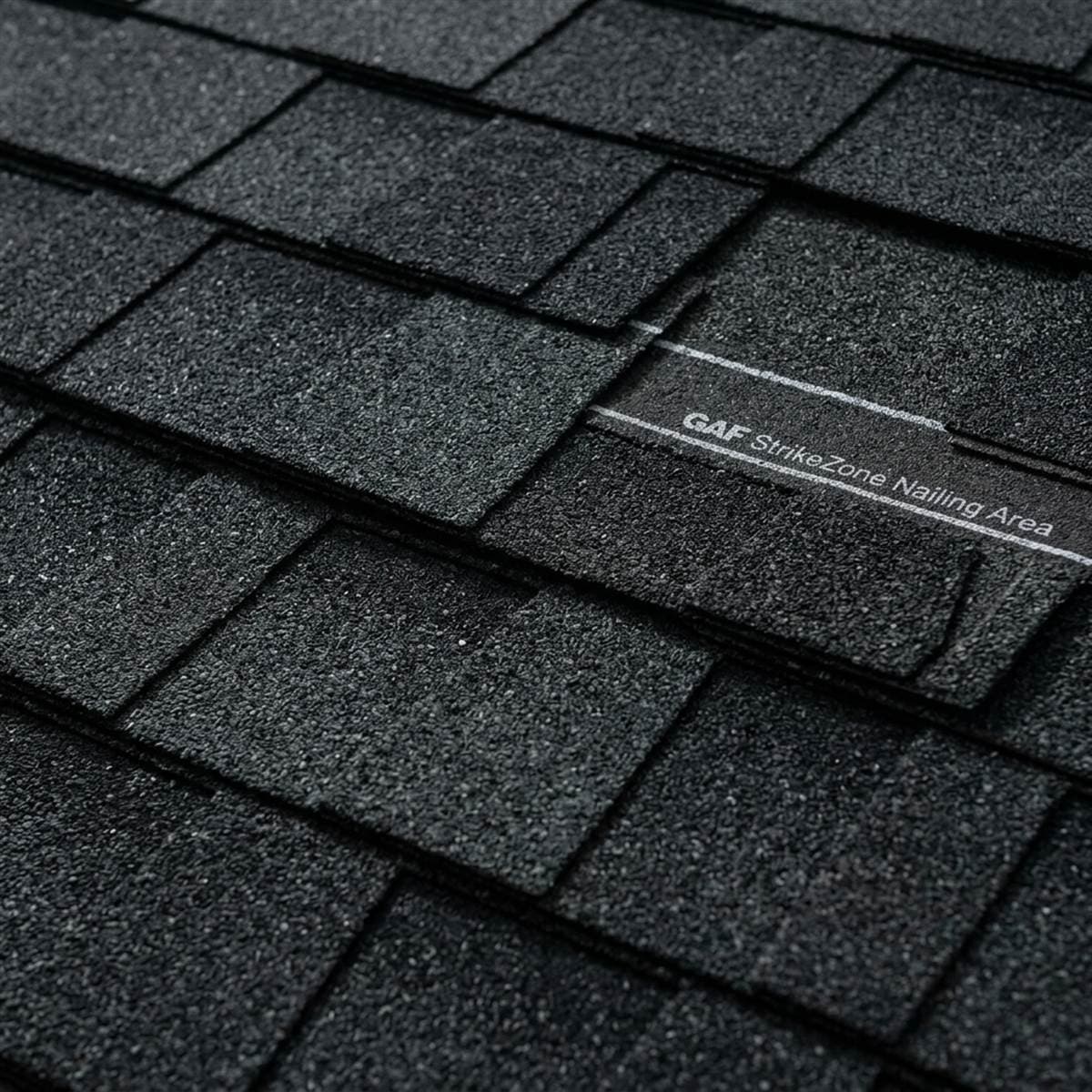
For environmentally conscious homeowners, understanding the footprint of asphalt shingles is a key concern when planning a roof replacement. A roof replacement is not just an aesthetic upgrade; it is an environmental decision that leaves a long-term footprint. Because asphalt is a petroleum-based product, traditional manufacturing and disposal methods pose environmental challenges. Fortunately, manufacturers are developing sustainable alternatives. We discuss the recycling potential of modern shingles to help you make an eco-friendly choice for your property.
The Environmental Footprint of Traditional Asphalt shingles
Asphalt systems are the most popular roofing option in the country, but their high volume leads to substantial waste. Every year, millions of tons of old shingles are sent to landfills during roof replacements.
Because asphalt is slow to decompose, this waste remains in landfills for decades. Additionally, the extraction of raw materials and the energy-intensive manufacturing process contribute to greenhouse gas emissions, pushing the industry to seek green solutions. The refining of petroleum products to create the asphalt coating requires immense heat, which releases hydrocarbons and carbon dioxide. The fiberglass matting underneath also requires high-temperature smelting, adding to the carbon footprint before the product even arrives at the jobsite. Furthermore, because asphalt is extremely heavy, transporting these materials on flatbed trucks from northern manufacturing plants to South Florida distributors consumes substantial amounts of diesel fuel, adding to the transportation emissions footprint. Because old roofing debris is heavy and bulky, it contributes to the rapid filling of municipal landfills, forcing local governments in coastal counties to search for new waste management sites further inland at higher tax costs.
The Rise of Asphalt shingles Recycling Programs
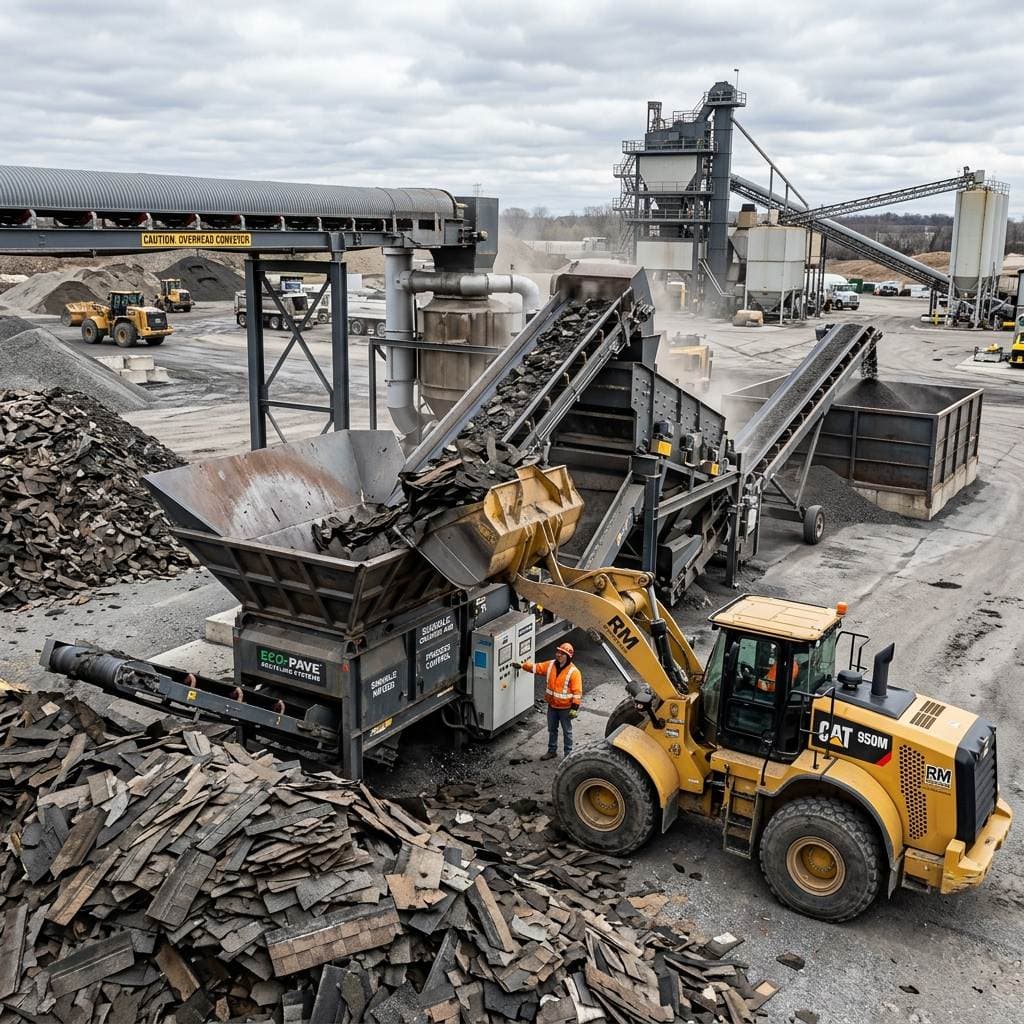
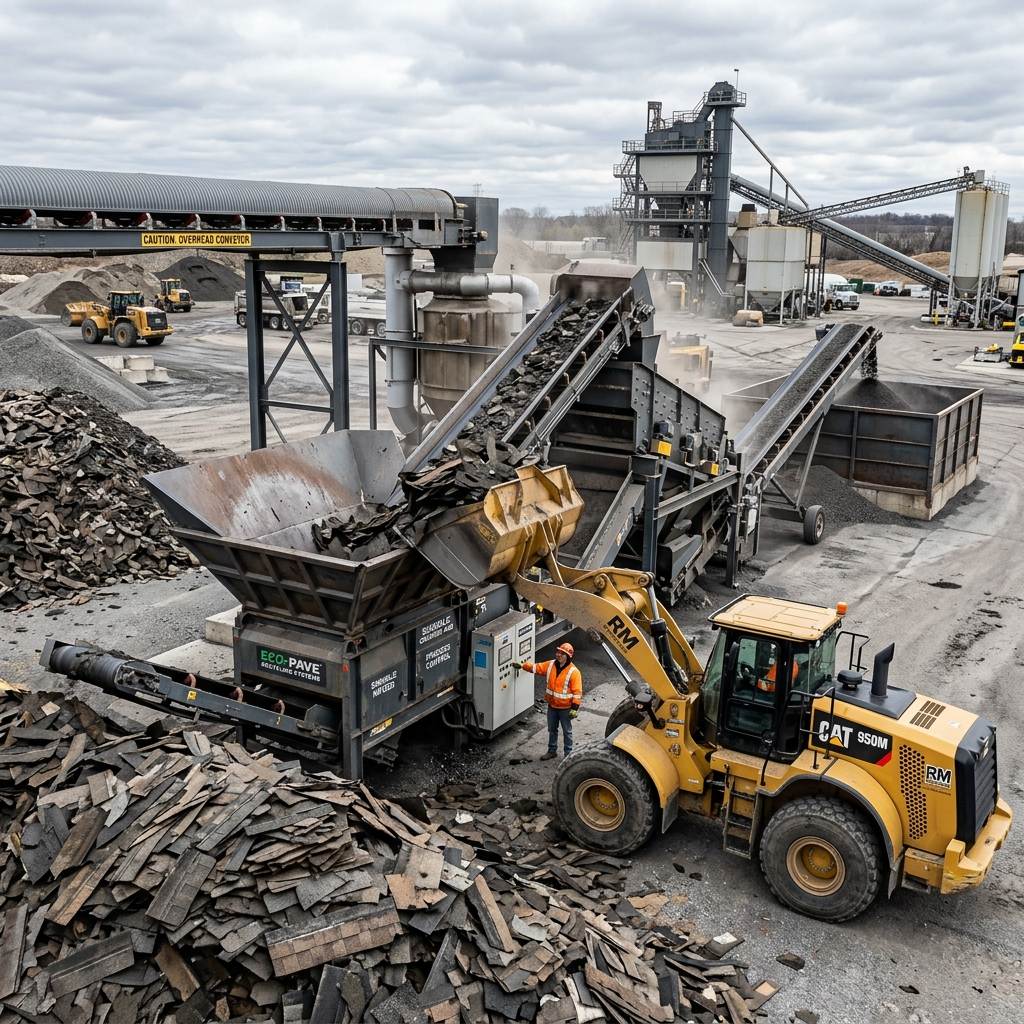
To reduce landfill waste, the roofing industry has developed recycling programs that convert old roofing materials into raw materials for other sectors. Specialized facilities have pioneered systems to grind old shingles into raw asphalt powder.
This powder is blended into asphalt pavements, ensuring that shingles do not clog landfills. Ground shingles increase the durability and water resistance of asphalt roads, providing a secondary use for materials that would otherwise be discarded. The paving industry highly values this recycled material because it contains fiberglass fibers and high-grade mineral oils that improve the structural integrity of hot-mix asphalt, preventing roads from rutting and cracking under the weight of heavy truck traffic. The addition of recycled binders also makes the road surface more flexible, helping municipal streets withstand summer heat waves without softening, which lowers local road maintenance costs.
Cool Roof Technology and Energy-Efficient shingles
In addition to recycling, manufacturers are focusing on energy efficiency. Modern cool roof options feature specialized granules that reflect solar energy rather than absorbing it.
These energy-efficient materials lower the temperature of your roof surface, reducing the heat transferred into your home. This lowers your cooling bills and extends the lifespan of the shingles by reducing thermal stress. By installing cool roofing materials, homeowners also help combat the urban heat island effect, which occurs when dense concentrations of dark, heat-absorbing roofs raise the ambient temperature of entire neighborhoods, making cities warmer than surrounding rural areas. Furthermore, reducing your home's air conditioning load lowers your overall electricity consumption, which directly reduces the volume of fossil fuels burned by local power utilities to generate electricity.

Comparing Sustainable Alternatives
If you want to minimize your home's environmental footprint, you must weigh your options. While asphalt is popular, many homeowners are upgrading to a metal roof because metal is highly recyclable and lasts twice as long. Metal systems are typically manufactured from up to 95% recycled steel or aluminum and are 100% recyclable at the end of their useful lifespans. This closed-loop recycling process ensures that metal panels never enter the municipal waste stream. Additionally, many roofing manufacturers offer certified carbon credits or sustainable offsets for commercial building projects that specify energy-efficient cool-roofing materials, which helps builders meet local green energy compliance standards.
However, asphalt remains a viable choice if you choose a manufacturer that participates in active recycling programs. Learn more about the lifespan of asphalt shingles to calculate the lifetime waste of your system, and explore why a shingles roof remains the most popular choice in America to understand the balance between cost and performance.
Choose a Green Solution for Your Home
While patching a few shingles fixes leaks, replacing them is best when the asphalt core has turned brittle. Selecting recyclable materials and choosing a contractor who recycles old roofing materials is the best way to secure your home while protecting the environment. By taking these proactive steps, you reduce construction waste and promote sustainability in your community.
Contact us today to learn how our sustainable shingles can protect your home. Our certified team is ready to provide material samples, explain recycling programs, and help you select the ideal eco-friendly system for your property.
Learn about eco-friendly initiatives and residential shingle installations.
[!TIP] Planning a Roof Replacement? Use our interactive Florida Roof Replacement Cost Calculator to get an instant satellite measurement and pricing estimate for your property.
Local Service Areas & Regional Coverage
Diversified Roofing Solutions provides certified residential and commercial roofing services across South Florida and the Treasure Coast, including Palm Beach County, Martin County, Broward County, and St. Lucie County.