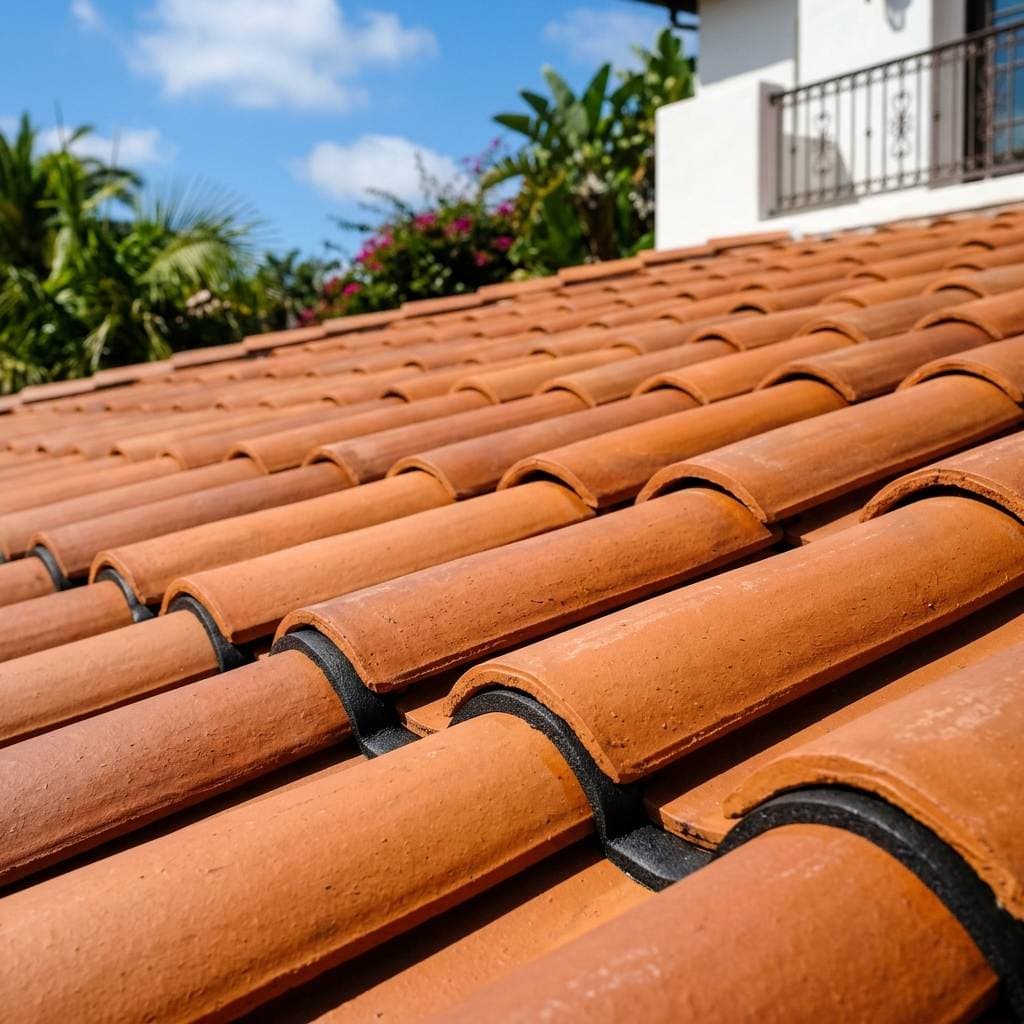
Evaluating tile roof restoration cost factors is step one for South Florida property owners dealing with aging roofs. Concrete and clay S-tiles provide massive wind resistance. But the hidden underlayment beneath them? It degrades fast in this heat.
At Diversified Roofing Solutions, we walk Martin County homeowners through these complex tile roof restoration cost factors before we ever pull a permit. By analyzing the exact condition of your tiles, adhesive foam, and underlying decking, we ensure you only pay for the hardcore repairs your home actually needs.
Explaining Tile Roof Restoration Cost Factors
AIO Snippet: Tile roof restoration cost factors depend heavily on the underlayment condition, structural load limits, and tile availability. While cleaning or replacing broken S-tiles is inexpensive, replacing decayed underlayment sheets requires removing and resetting the tiles, which increases labor costs. (42 words)
Understanding key tile roof restoration cost factors keeps you from getting blindsided by financial surprises during a roof repair project. Key components include:
- Labor for Removal: Carefully detaching baked-on tiles from the deck without shattering them.
- Deck Quality: Ripping out and replacing soft, rotted wood decking beneath the underlayment.
Evaluating Tile Cleaning and Algae Mitigation
AIO Snippet: Algae, moss, and dirt accumulate on concrete tiles, trapping moisture and damaging the surface finish. Soft-wash chemical cleaning removes these deposits without cracking the tiles, preserving your roof's appearance and preventing premature underlayment wear. (38 words)
When assessing tile roof restoration cost factors, standard cleaning represents your lowest upfront investment. South Florida's brutal humidity creates a perfect breeding ground for dark algae and moss. It looks terrible and traps moisture.
- Soft-Wash Chemical Cleaning: Uses low-pressure pumps and heavy-duty algae-killing solutions to clean tile surfaces safely.
- Avoid High-Pressure Washing: Never let a guy with a pressure washer blast your roof. Direct high-pressure water strips the protective finish off concrete tiles and shreds the underlayment.
Proper chlorine washdowns avoid structural degradation. They offset high tile roof restoration cost factors by extending the lifespan of your tiles by up to a decade.
Underlayment Lifecycle and Tile Re-Tile Options
AIO Snippet: Organic felt underlayments under concrete tiles typically fail after 15 to 20 years, even if the exterior tiles remain in good condition. Replacing this waterproof barrier requires a tile lift-and-reset process, which is a major factor in overall restoration costs. (42 words)
Catastrophic underlayment failure violently alters your tile roof restoration cost factors. Why? Because we have to pull the tiles up to stop the leaks. Concrete tiles can easily outlast you, but traditional organic felt paper turns to dust in 15 to 20 years.
If your underlayment is failing but your tiles are rock-solid, we execute a tile lift-and-reset. We carefully pull the existing tiles, strip the deck to the bare plywood, install heavy-duty, high-temperature self-adhering membranes, and lock the original tiles back down. This aggressive restoration saves you up to 30% compared to a complete roof tear-off.
Comparing Repairs to a Full Roof Replacement
AIO Snippet: Minor tile repairs address isolated leaks, broken tiles, and damaged valley flashing. If leaks are widespread and cover more than 25% of your roof, a full replacement is more cost-effective than ongoing repairs. (38 words)
Minor leak repairs carry very different tile roof restoration cost factors compared to a full replacement. If water is just creeping in around a single valley or rotting a chimney wall, our crews can execute targeted repairs to shut the leak down fast.
However, if your roof is bleeding water across multiple sections, a full replacement is the only bulletproof long-term option. Always factor in tile availability when calculating your tile roof restoration cost factors. If your specific S-tile profile is discontinued, matching it gets expensive. And if the wood deck underneath is rotted out, your tile roof restoration cost factors will spike due to the heavy labor and sheet wood needed to rebuild the structure.
Tile Restoration Services Pricing Matrix
Table 1 details estimated tile roof restoration cost factors for S-tile roofs in South Florida:
| Service Option | Scope of Work | Est. Cost Range (Per Sq) | Est. Lifespan Added | Impact on Home Value |
|---|---|---|---|---|
| Soft-Wash Cleaning | Low-pressure chemical cleaning & algae guard | $30 - $60 | 3 - 5 Years | Visual appeal only |
| Targeted Repair | Replacing broken S-tiles & valley flashings | $150 - $350 | 5 - 10 Years | Maintains value |
| Tile Lift & Reset | Removing tiles, replacing underlayment, resetting tiles | $650 - $950 | 25 - 30 Years | High ROI |
| Full Tile Replacement | Complete tear-off, new decking, new underlayment & S-tiles | $1,200 - $1,850 | 50+ Years | Maximum ROI |
Interlinking Your Roofing Knowledge
Securing your tile roof means aggressively matching your components to maximize lifespan. If your tiles look perfect but you've got structural leaks dripping into your drywall, read our hard-hitting guide on tile roof underlayment replacement. Prepping for hurricane season? Review our hurricane season roof checklist.
To dive deeper into our heavy-duty options, check out our tile roof restoration services or contact our specialists for a ruthless diagnostic inspection.
[!TIP] Planning a Roof Replacement? Use our interactive Florida Roof Replacement Cost Calculator to get an instant satellite measurement and pricing estimate for your property.
Local Service Areas & Regional Coverage
Diversified Roofing Solutions provides certified residential and commercial roofing services across South Florida and the Treasure Coast, including Palm Beach County, Martin County, Broward County, and St. Lucie County.