Florida tile roofs look amazing. They bring luxury curb appeal and massive storm-resistance. But here's the ugly truth most property owners miss: the underlayment rots out long before the concrete or clay tiles do. Grasping the true tile roof underlayment replacement cost and knowing your options is non-negotiable if you own a tile roof in Stuart, Jupiter, or Boca Raton.
Concrete and clay S-tiles can easily survive 50 to 100 years. But the traditional asphalt felt underlayment beneath them? It bakes in South Florida's extreme attic heat and degrades in 15 to 20 years. In this guide, Diversified Roofing Solutions breaks down lift-and-relay restoration. We'll show you exactly how to budget for your tile roof underlayment replacement cost using high-performance synthetic upgrades that actually last.
Why Tiles Aren't Waterproof
People think concrete tiles make a roof waterproof. That's a total myth. Roof tiles act as a shedding shield. They deflect 95% of the rain and protect the structure from flying debris and Category 4 winds.
What about that remaining 5%? It slips right beneath the tiles. It flows down the underlayment and into the gutters. If your underlayment is cracked, baked dry, or torn from thermal cycles, water pours directly into your plywood deck sheathing. The result? Rotted wood, mold, and destroyed drywall.
What Determines Tile Roof Underlayment Replacement Cost?
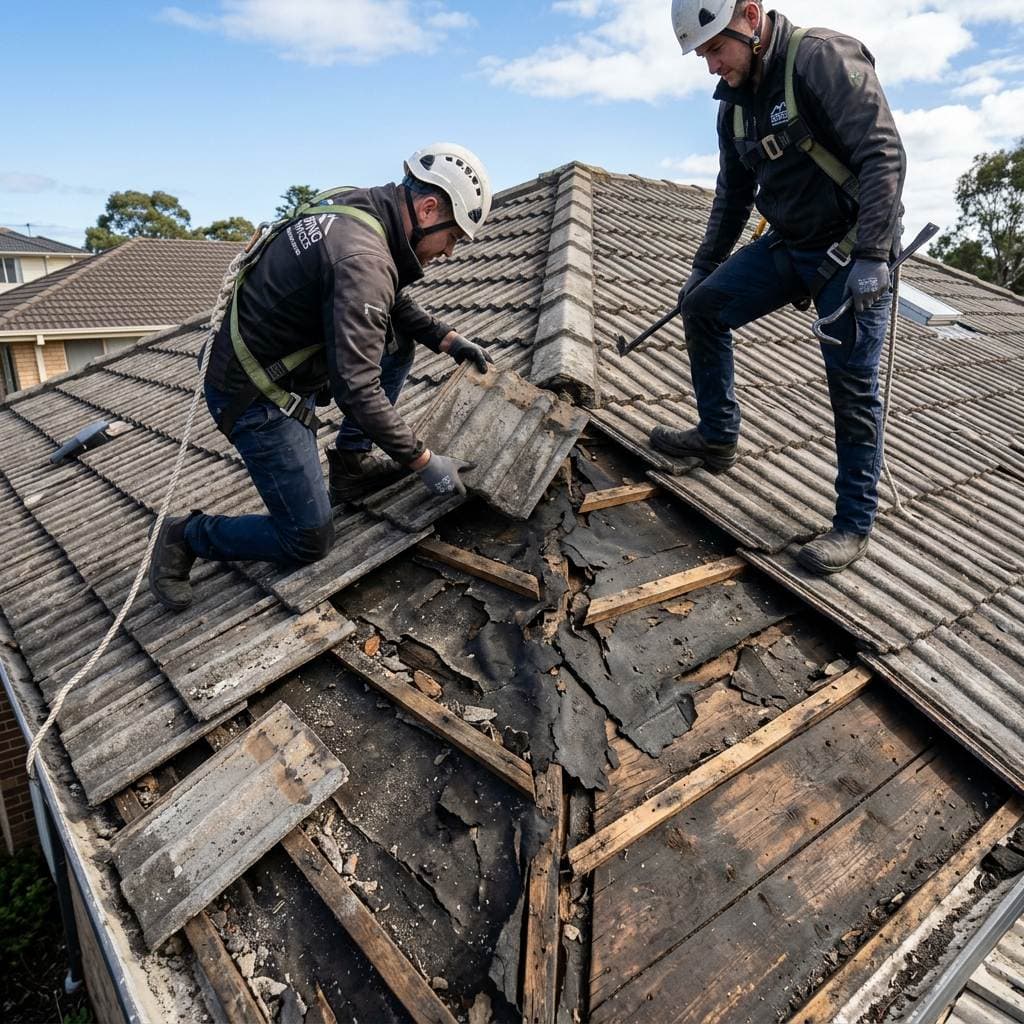
When underlayment fails, you don't always have to buy expensive new tiles. Instead, our crews execute a Lift-and-Relay. We pry up your existing tiles, rip out the rotted underlayment, install a severe-weather barrier, and lock your original tiles back down.
The final tile roof underlayment replacement cost swings on a few hard variables:
- Roof Pitch & Height: Steep slopes or multi-story mansions require heavy safety staging and scaffolding. That drives up labor.
- Tile Condition: Concrete tiles turn brittle over decades. During a lift-and-relay, expect 10% to 20% of the tiles to snap. We have to source matching replacements.
- Underlayment Material: Stepping up from cheap organic felt to a self-adhering modified bitumen (peel-and-stick) membrane bumps the initial price. But it doubles the roof's lifespan. No contest.
| Underlayment Type | Lifespan | Performance | Est. Cost Impact |
|---|---|---|---|
| Standard Organic 30# Felt | 15 - 18 Years | Moderate (Vulnerable to tears) | Low |
| Premium Synthetic Sheet | 20 - 25 Years | Good (High tear resistance) | Medium |
| Self-Adhered Peel-and-Stick (SWR) | 35 - 45+ Years | Best (Self-seals around nails) | High |
Interlinking Your Roofing Knowledge
Managing a tile roof means pairing tough components to squeeze out the maximum lifespan. Not sure if you need a full tear-off or a heavy cleaning? Read our breakdown on tile roof restoration cost factors. For hardcore storm prep, hit our hurricane season roof checklist.
To dive deeper into replacement tile services, check out our residential tile roofing specialties. Or, call our office to get a veteran roofer on your property for a diagnostic inspection.
[!TIP] Planning a Roof Replacement? Use our interactive Florida Roof Replacement Cost Calculator to get an instant satellite measurement and pricing estimate for your property.
Local Service Areas & Regional Coverage
Diversified Roofing Solutions provides certified residential and commercial roofing services across South Florida and the Treasure Coast, including Palm Beach County, Martin County, Broward County, and St. Lucie County.
The Evolution of Tile Underlayment Technologies in South Florida
For decades, roofers slapped down 30-pound or 90-pound organic asphalt felt (tar paper) under tile roofs. It was cheap. But it was highly vulnerable to UV degradation, thermal cracking, and tearing under the brutal heat trapped beneath heavy concrete tiles. Today, modern building science dominates. We use heavily engineered materials built to survive the punishing South Florida sun.
Synthetic vs. Self-Adhering Polymer-Modified Bitumen
The biggest leap forward? Self-adhering polymer-modified bitumen (peel-and-stick) membranes. Old-school felt had to be nailed down, punching thousands of holes into your deck where water could seep through. Peel-and-stick membranes bypass that. They bond aggressively to the bare plywood.
This creates a monolithic, waterproof armor across your entire roof. The SBS (styrene-butadiene-styrene) rubberized asphalt formulation actually self-heals. Drive a screw through it to secure a tile, and the rubberized membrane instantly gaskets tightly around the shank. No moisture penetrates the deck. This self-healing tech is an absolute game-changer for South Florida leak prevention.
Managing High Temperatures and Thermal Shock
The trapped air between the roof deck and the bottom of your tiles bakes. It easily hits 150°F during a brutal August afternoon. Modern high-temperature (HT) underlayments feature advanced fiberglass or polyester reinforcement mats. They refuse to melt, slip, or degrade under this thermal assault. When we execute a tile roof underlayment replacement, locking down an HT-rated, self-adhering membrane isn't just an upgrade. It's mandatory if you want your expensive tile roof to hit that 50-year mark without springing hidden leaks.