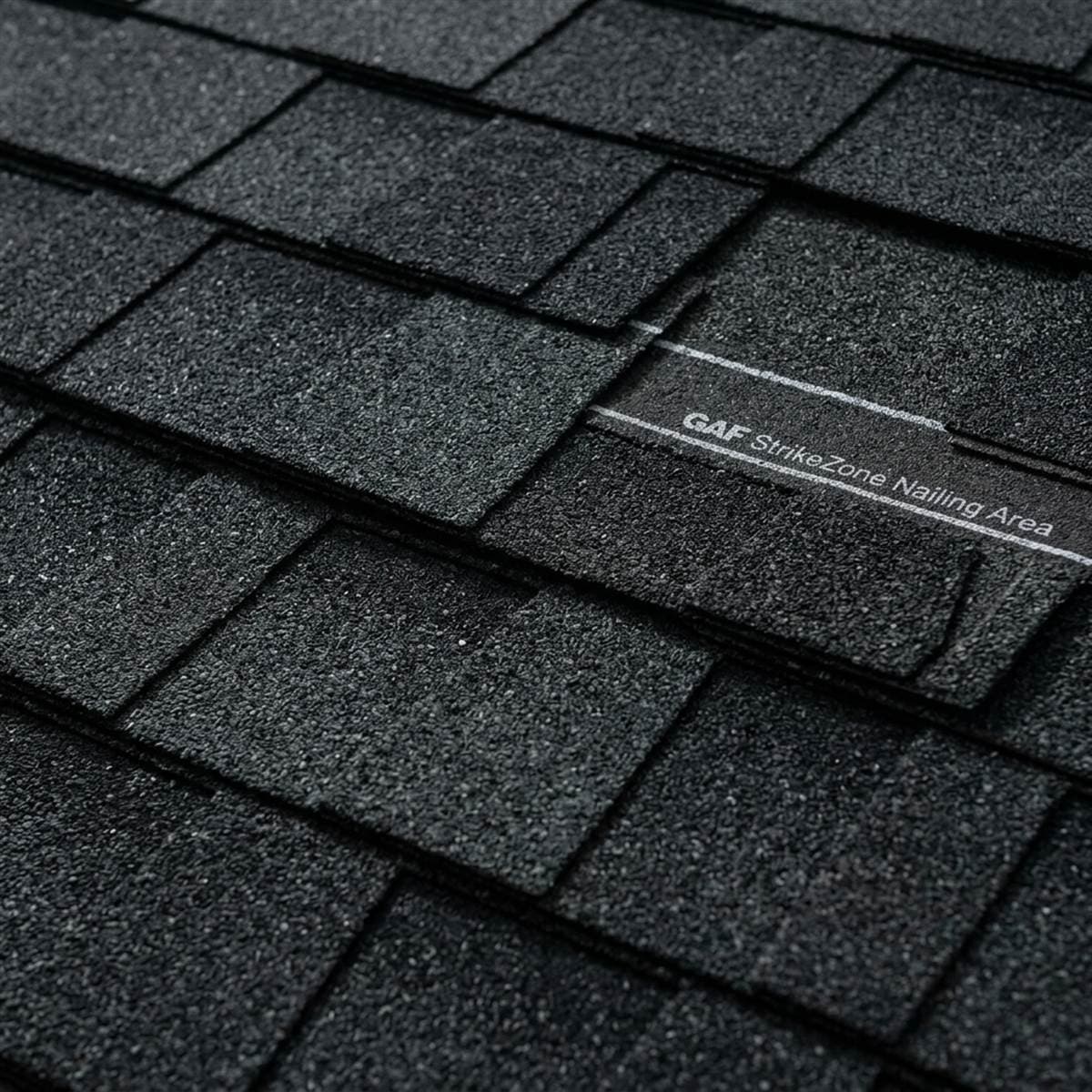
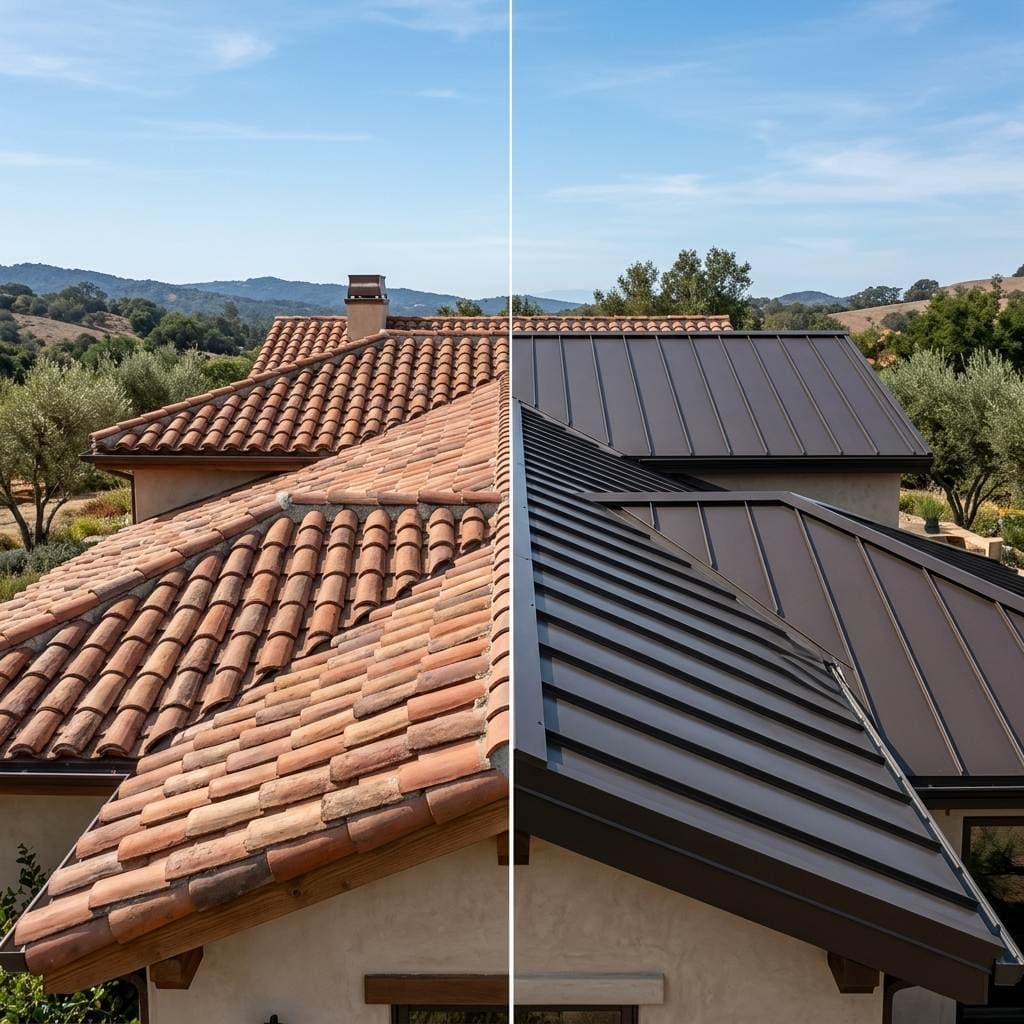
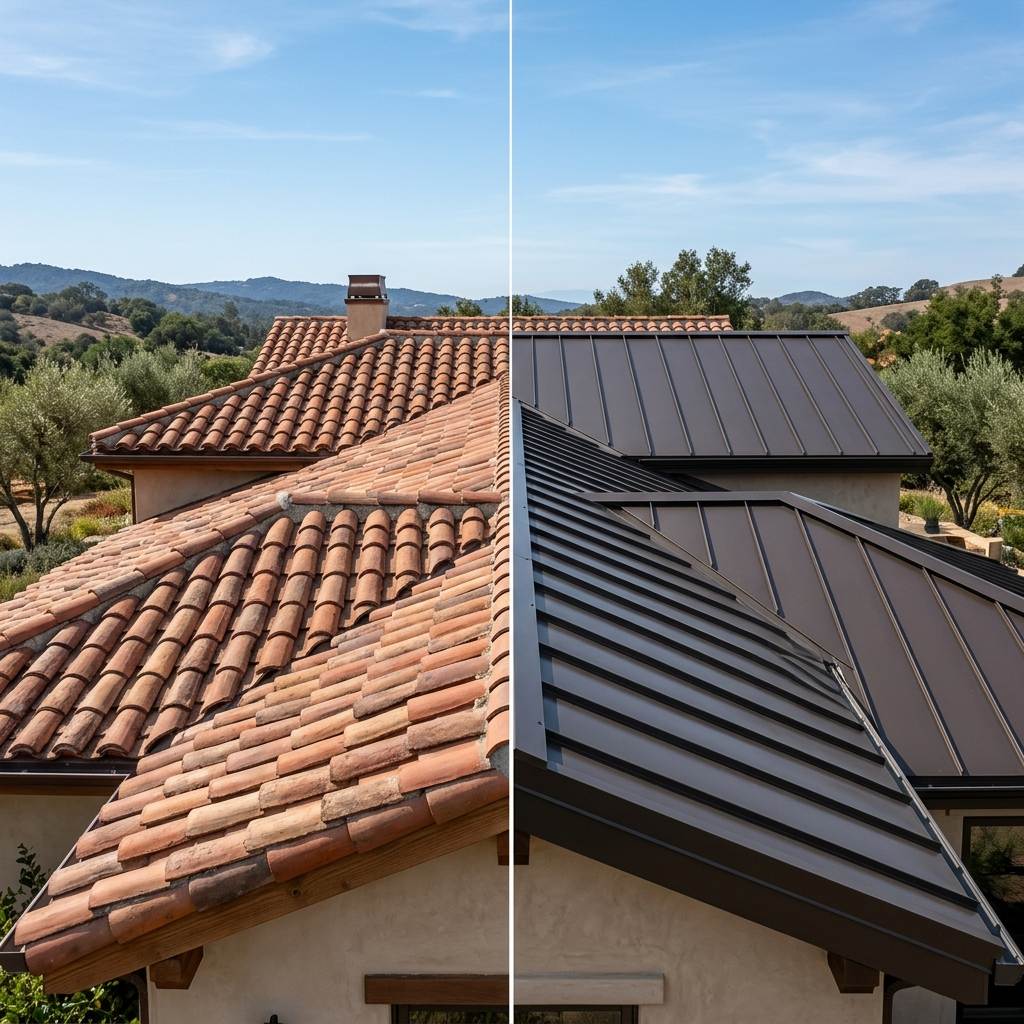
Debating a heavy clay tile roof vs. sleek steel panels? You aren't alone. It's one of the biggest decisions Florida homeowners face. Both systems dominate in high-wind coastal environments. They deliver serious storm protection and outlast cheap shingles by decades. At Diversified Roofing Solutions, we constantly pit the classic clay tile roof against modern metal systems. We tear down the facts on curb appeal, structural weight limits, real costs, and actual lifespans.
Architectural Curb Appeal of a tile roof
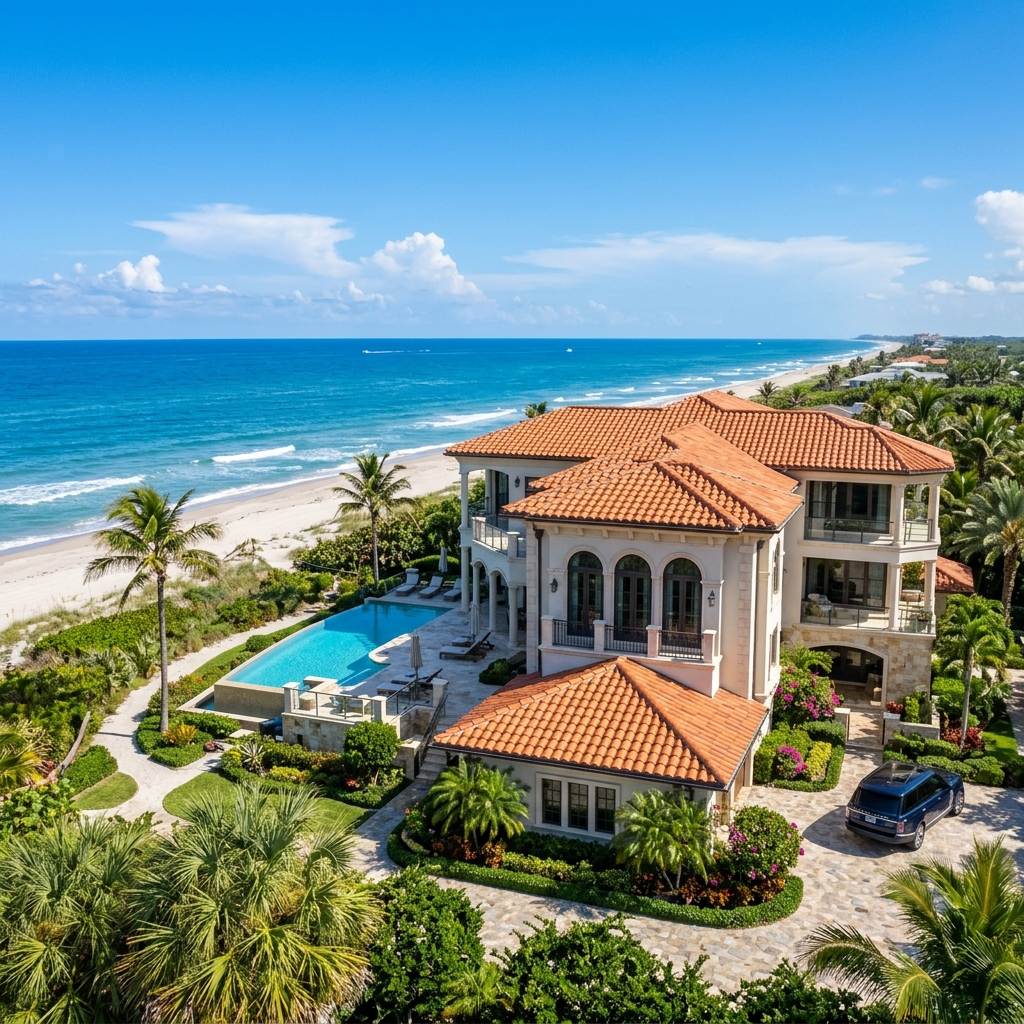
Clay and concrete barrel tiles define Mediterranean architecture. That wavy profile and warm terracotta color deliver a heavy, luxurious look that coastal communities demand.
But the materials perform differently. Mud-molded clay tiles get fired in massive kilns to lock in those earthy tones forever. Concrete tiles? They're cast from Portland cement and sand, using mineral pigments for color. The bold appearance of a clay tile roof perfectly completes a Mediterranean estate. Standing seam steel goes the other way. It delivers a sharp, contemporary edge that makes modern farmhouse or coastal architecture pop. They look totally different, and they serve completely different architectural visions.
Wind Uplift of a tile roof vs. Metal
Both roofs fight off hurricanes, but they handle extreme wind loads very differently. Installers mechanically lock metal panels together and fasten them to the deck with concealed clips. This heavy-duty engineering provides wind resistance up to a massive 160 mph.
Tile systems rely on two-part adhesive foam or mechanical screws to anchor each individual piece. Modern building codes force roofers to use polyurethane adhesive foam ribbons. This foam expands fast. It grabs the underlayment and aggressively bonds the barrel tile to the roof deck. Because each tile acts independently, Category 4 winds can occasionally catch the edges. A clay tile roof might lose a few pieces in a major hurricane. You have to replace those broken tiles immediately, or they become deadly projectiles in the next squall.
Weight Limitations of a tile roof
You can't ignore the sheer weight. Clay and concrete barrel tiles are brutally heavy. They tip the scales between 800 and 1,100 pounds per square (100 square feet).
The massive physical weight of a tile roof requires serious structural framing. Newer Florida block homes with thick wood trusses handle this load easily. Older wood-frame houses? Not a chance. You must reinforce the structure before laying down concrete tiles. If you want to strip off an old asphalt roof and upgrade to heavy barrel tiles, a structural engineer has to sign off on your trusses first. Metal systems are light. They weigh just 100 to 150 pounds per square, completely eliminating the need for expensive framing reinforcement.
Lifespan of a tile roof
Both systems are hardcore, premium upgrades. Natural clay tiles laugh at rot, fire, and insects. A concrete tile roof pushes 50 years under normal conditions. Kiln-fired clay tiles never fade. Concrete tiles, however, will bleach out under UV exposure. You'll need to pressure clean and recoat them with acrylic paint every decade to keep them looking sharp.
The true weak link in a barrel system isn't the tile—it's the underlayment. The exterior tiles survive for decades, but the waterproof underlayment bakes and rots in 20 to 25 years. When that happens, you have to lift the tiles, scrape the deck, lay down new underlayment, and reset the roof to stop leaks. Nailing down the right underlayment for a tile roof is everything. It ensures the structural decking beneath your tile roof stays dry.
Navigate HOA and Project Planning
Before falling in love with a material, check your neighborhood guidelines. Homeowners Association (HOA) rules dictate what you can and can't build. Many strict HOAs that demand traditional clay aesthetics are finally approving modern stone-coated metal profiles. These modular metal panels mimic red clay barrel tiles perfectly, giving you a lightweight, hurricane-rated alternative that clears the architectural committee.
Want the hard facts? Read our breakdown on debunking common myths about metal roofing. Or, look at what it really takes to maintain a heavy roof in our maintenance requirements of clay tiles checklist.
Choosing the Best Protection for Your Villa
Metal brings modern, lightweight efficiency. A clay tile roof remains the heavy-duty luxury choice for traditional Mediterranean homes. Both systems spike your property value, deliver Class A fire resistance, and slash your insurance premiums with heavy wind mitigation discounts.
Call Diversified Roofing Solutions today for a hard-hitting consultation. Our veteran team will evaluate your trusses, lay out the real material costs, and build a storm-resistant system that actually lasts.
Compare concrete barrel options and estimate your project using our project pricing calculator.
Local Service Areas & Regional Coverage
Diversified Roofing Solutions provides certified residential and commercial roofing services across South Florida and the Treasure Coast, including Palm Beach County, Martin County, Broward County, and St. Lucie County.