If you own property on the ocean in South Florida, you need the hard truth about the actual metal roofing lifespan. Metal systems have a legendary reputation for hitting the 50-year mark. But building right on the beach throws aggressive salt spray, intense humidity, and violent wind-driven rain at your roof every single day. If you specify the wrong alloy, that 50-year roof will rust out in 15. Let's break down how marine-grade aluminum, heavy-duty paint coatings, and expert installation dictate whether your coastal metal roofing survives or fails.
Factors Affecting metal roofing Lifespan in Coastal Zones
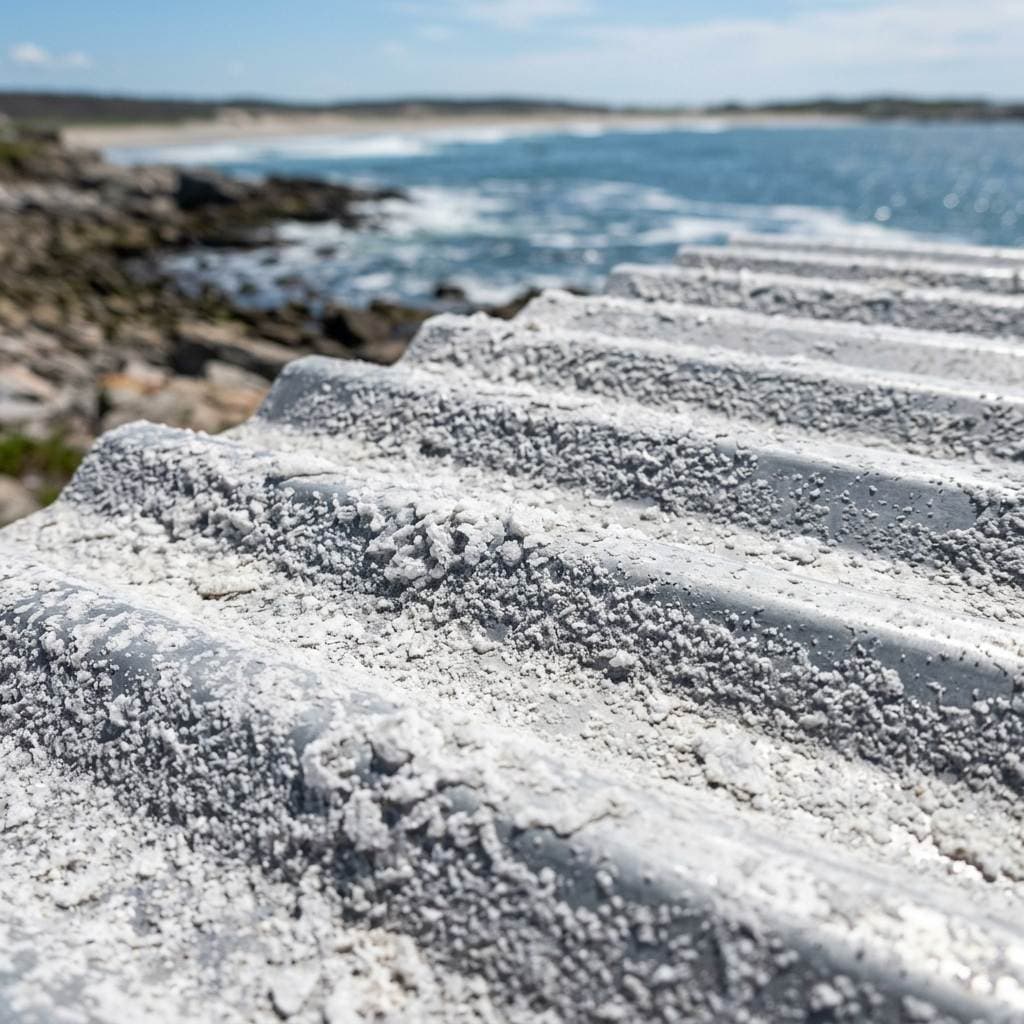
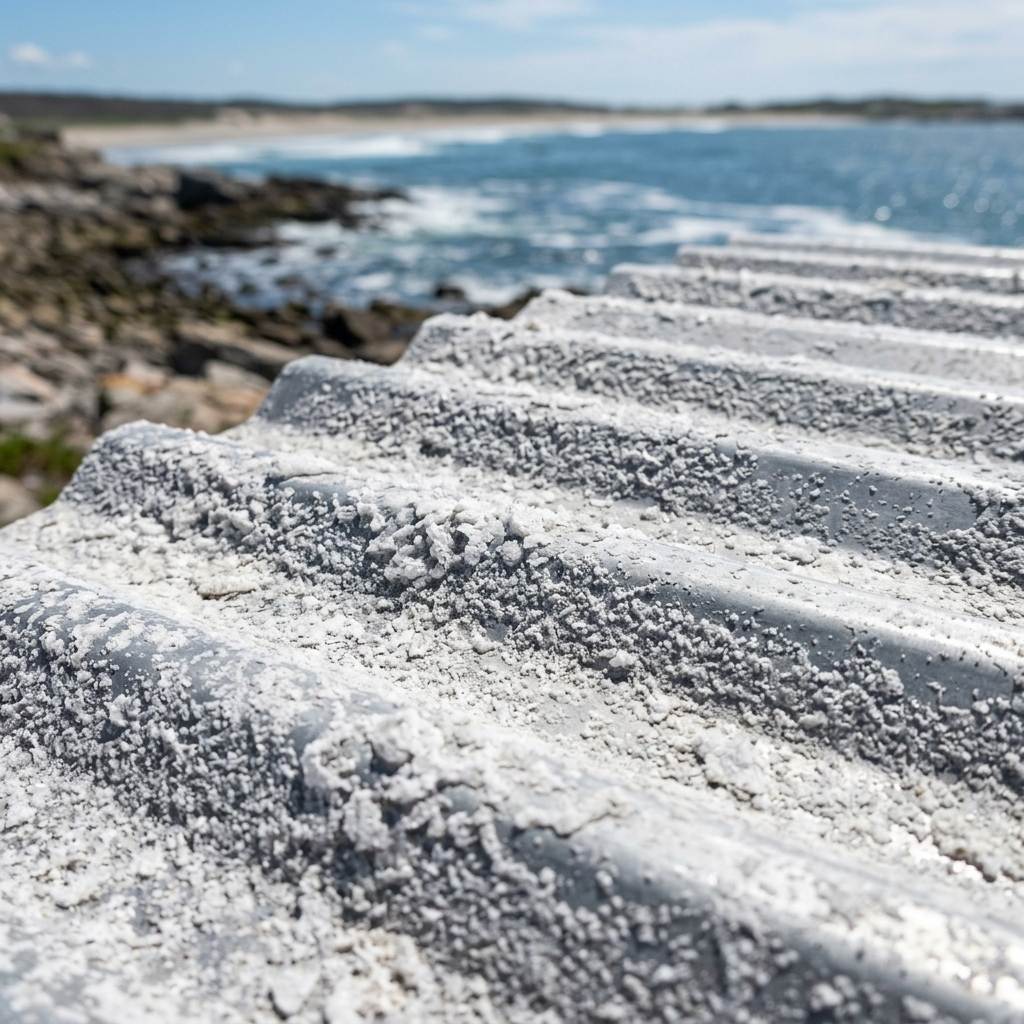
The absolute biggest threat to any metallic surface near the Atlantic? Salt air corrosion. Sea spray carries heavy sodium chloride directly onto your roof panels. It acts as an aggressive electrolyte that turbocharges electrochemical oxidation. When chloride ions dissolve in standing water on a steel panel, they eat through the natural iron oxide film. Oxygen attacks the raw metal. The protective paint bubbles, peels, and flakes away.
If you want a long metal roofing lifespan in Palm Beach or Martin County, you have to nail the alloy selection. Standard steel systems look great inland, but if you drop them 500 feet from the high-tide line without specialized coatings, they will literally rust to pieces in under two decades.
Aluminum and Steel in Coastal metal roofing
Alloy chemistry dictates everything on the coast. You have two main choices:
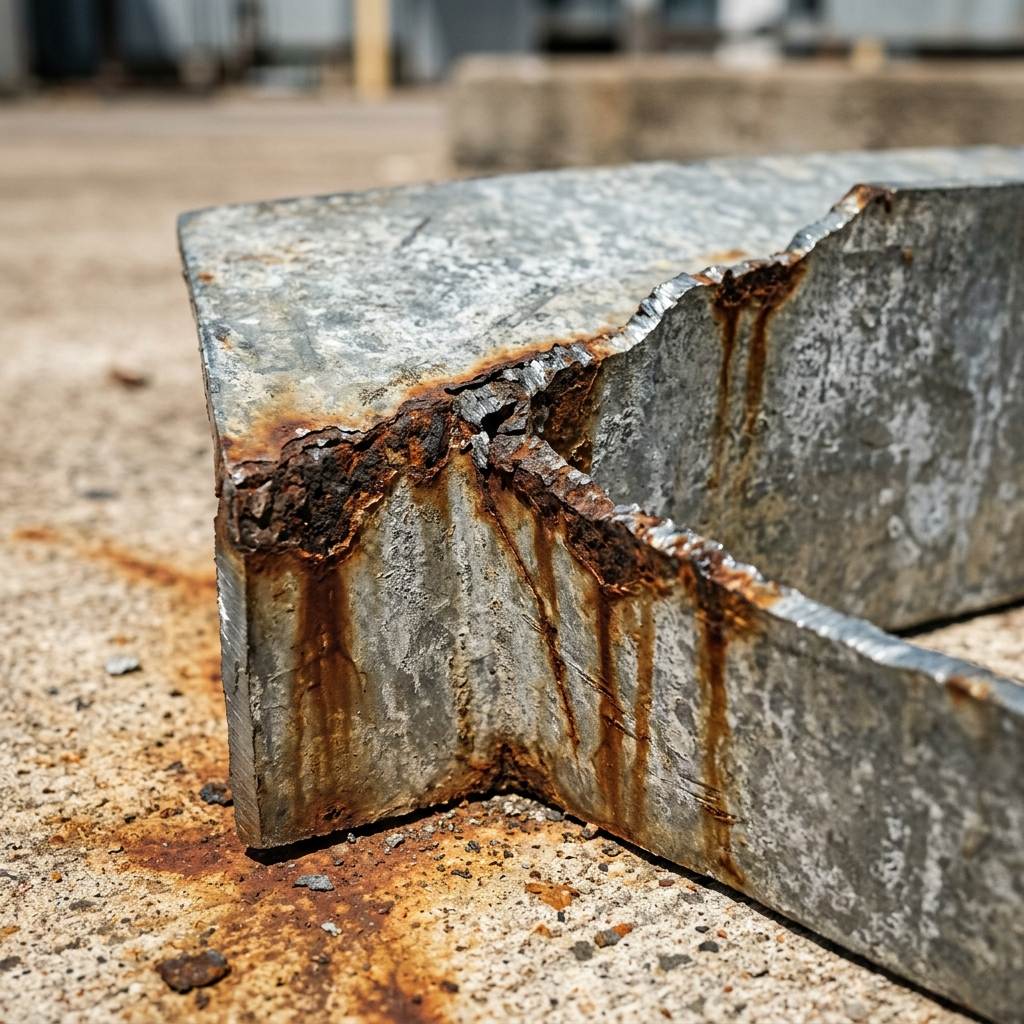
- Galvalume Steel: We roll this out constantly inland. Coated with aluminum and zinc, it fights corrosion hard. But get within 1,500 feet of the ocean, and the zinc sacrifices itself too fast. You will see red rust bleeding out of the cut edges in no time.
- Marine-Grade Aluminum: The undisputed king. Aluminum physically cannot rust. When salt and oxygen hit it, it forms a tight aluminum oxide layer that permanently seals the metal underneath. That chemical reaction makes aluminum the only serious choice for coastal metal roofing installations.
But even with aluminum, amateur installers can destroy the system through galvanic corrosion. When you mix dissimilar metals in a wet, salty environment, one metal eats the other. If an AC tech runs a copper drain line across an aluminum roof, the runoff will burn a hole straight through the panel. Our certified crews use heavy neoprene spacers and rubber gaskets to isolate metals. We also strictly deploy stainless steel fasteners on aluminum roofs. Driving a cheap carbon steel screw into an aluminum panel creates an instant battery—the steel reacts, eats the aluminum sheet, and rips your wind resistance to zero.
Protective Coatings for metal roofing
To shield the raw metal from blinding solar rays and salt spray, manufacturers bake on high-performance PVDF (polyvinylidene fluoride) paint systems. Kynar 500 is the industry standard. They apply it in massive multi-step baking processes at the mill, forging a dense molecular bond that stops UV fading and chemical breakdown.
These coatings take a beating in the lab, passing 3,000-hour ASTM B117 salt fog tests without blistering. On the beach, dry film paint thickness is everything. Standard panels run about 0.8 mils of paint. For brutal coastal jobs, we spec thicker coatings—pushing 1.0 mil of primer and color coat combined. That extra thickness stops microscopic salt ions from migrating through the paint finish. Premium PVDF coatings lock down the integrity of your metal roofing panels. When selecting colors, we push for high Solar Reflectance Index (SRI) values to blast heat away from your attic.
Extending the Lifespan of metal roofing
Routine maintenance directly controls how long your roof survives on the water. Torrential Florida rain washes the salt off the steep slopes, but tight valleys and covered overhangs accumulate a nasty salt crust. You have to wash those areas out.
Hitting the roof with a gentle freshwater rinse twice a year washes away the salt deposits and drastically increases your metal roofing lifespan. Our inspection crews also hunt down and isolate any galvanic corrosion around the flashings. Aggressive maintenance guarantees your metal roofing stands up to the worst ocean spray.
Plan Your Coastal Roof Upgrade
Picking the right installer matters just as much as picking the right metal. Want to run the numbers? Check our hard breakdown on the cost of a metal roof.
Don't buy into the noise—read up on the myths about metal roofing. Then see exactly why a properly fastened metal roof is the ultimate protection against Florida's violent tropical storms.
Secure Your Coastal Property for the Future
Salt is ruthless. But dropping the right metal roofing system on your coastal property locks out the water for up to 50 years. When we deploy heavy-gauge aluminum panels sealed with premium PVDF finishes, your home becomes a fortress.
Call Diversified Roofing Solutions today. Let our veteran crews evaluate your beachfront location, spec the exact marine-grade alloys you need, and execute a flawless, storm-resistant metal roofing installation.
Learn about our marine-grade coastal aluminum installations in Jupiter and Palm Beach.
[!TIP] Planning a Roof Replacement? Use our interactive Florida Roof Replacement Cost Calculator to get an instant satellite measurement and pricing estimate for your property.
Local Service Areas & Regional Coverage
Diversified Roofing Solutions provides certified residential and commercial roofing services across South Florida and the Treasure Coast, including Palm Beach County, Martin County, Broward County, and St. Lucie County.