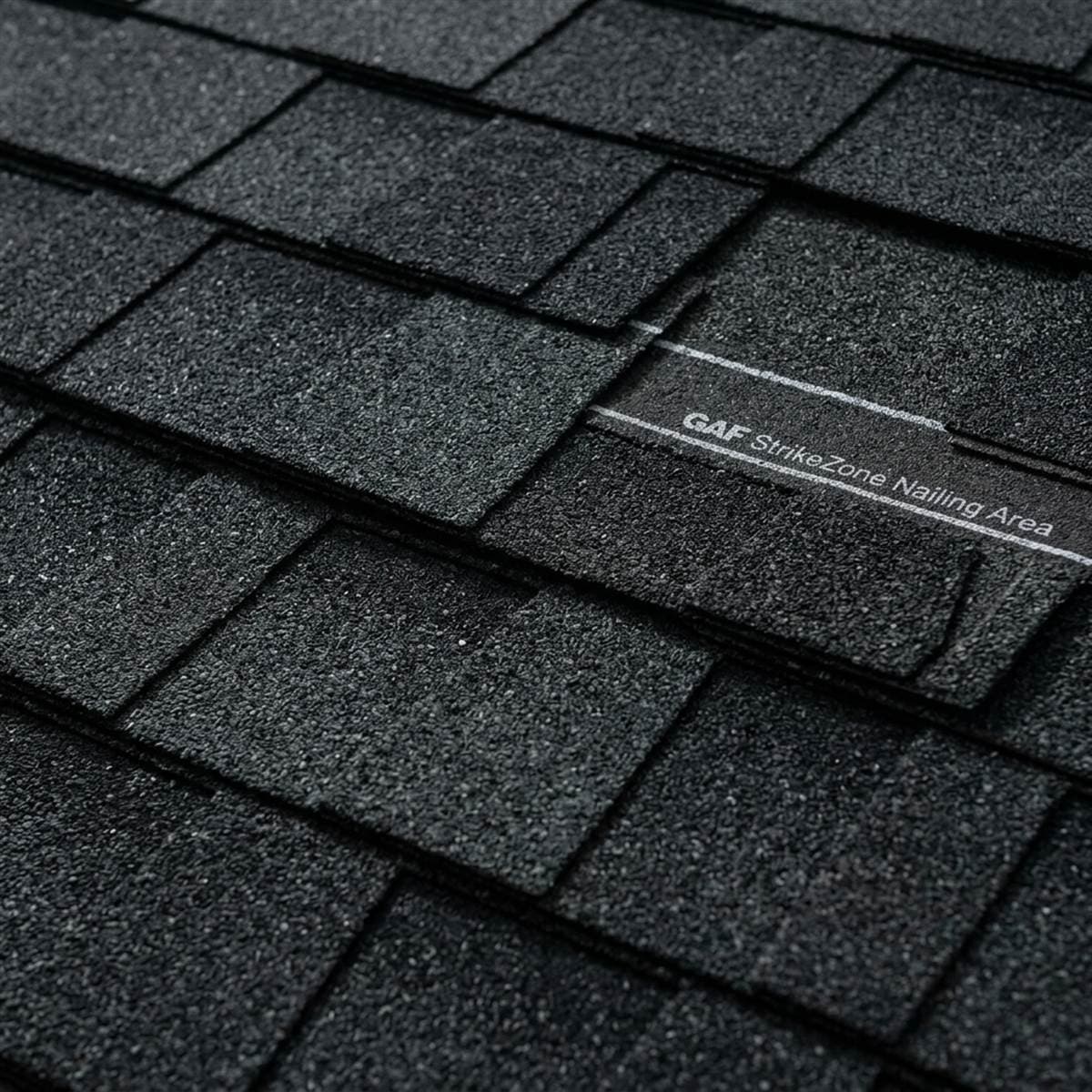
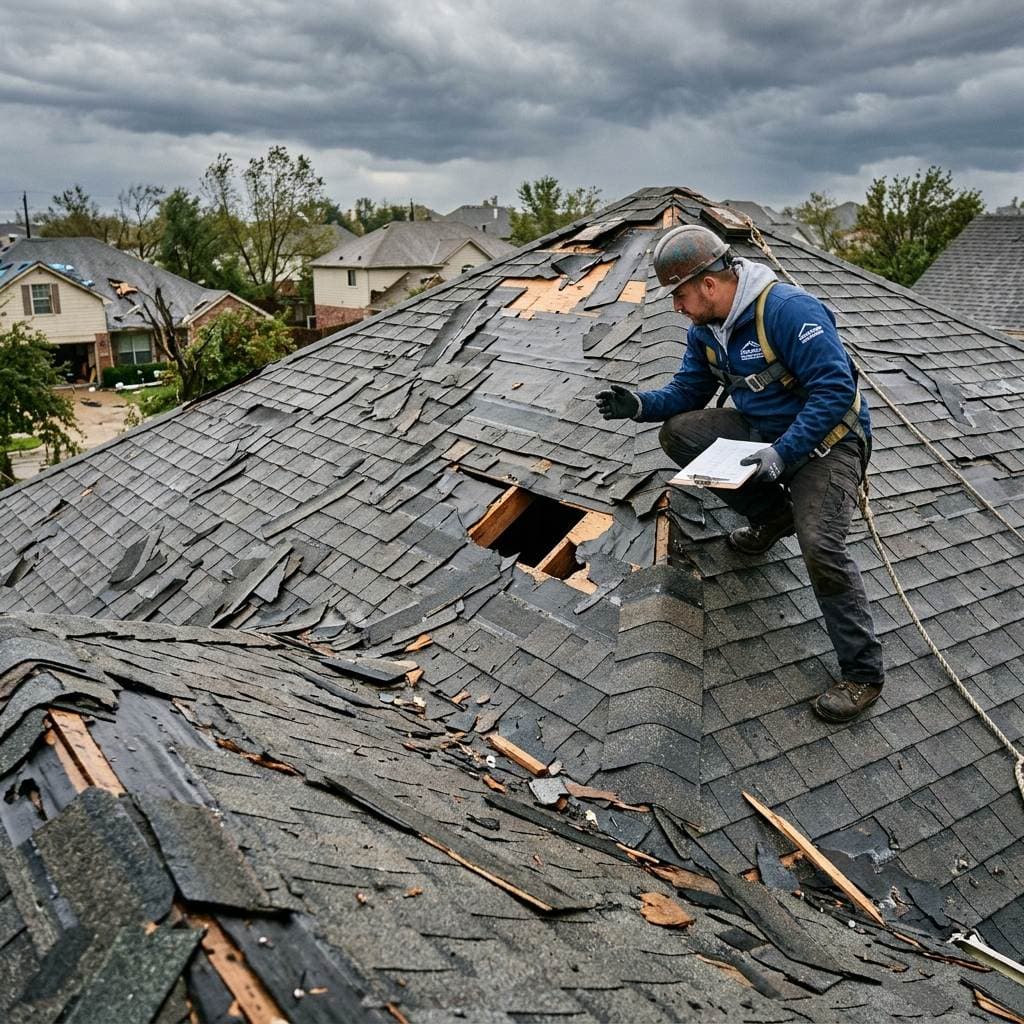
Tropical storms and hurricanes in South Florida don't care about your weekend plans. They rip through Jupiter and Broward County, leaving chaos in their wake. High winds tear at shingles. Torrential rains hammer your flashing. When the skies finally clear, you need to step outside and take a hard look at your property. Do you need a professional roof repair right now? Ignoring a leak won't make it go away. It just gives water time to rot your decking and ruin your drywall. Acting fast and scheduling a roof repair stops the bleeding. It keeps a minor patch from turning into a massive mitigation bill.
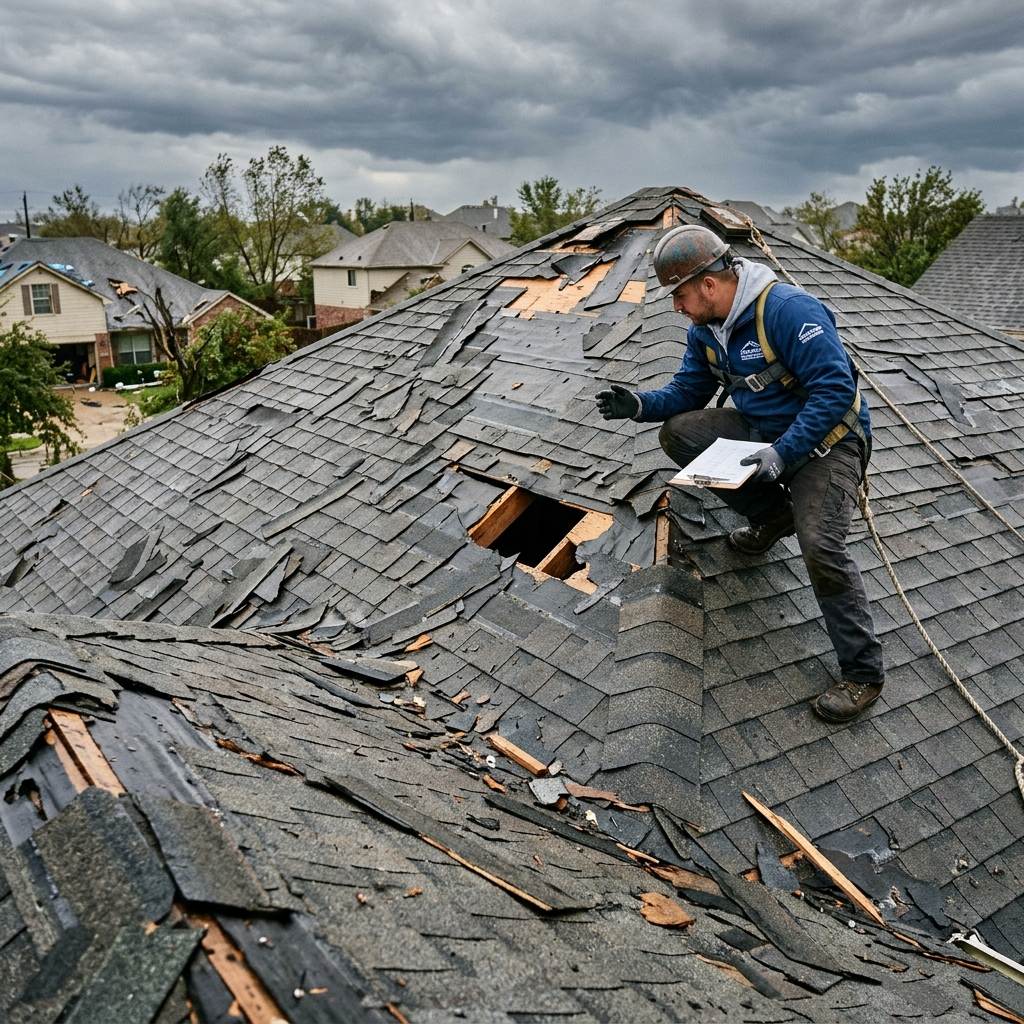
The Importance of Prompt Post-Storm Inspections
Walk your property as soon as it's safe. Stay on the ground. Use binoculars if you have them. You might not see a water stain on your living room ceiling yet. But 100-mph gusts can lift asphalt shingles and snap clay tiles. Wind pulls metal flashing right off the corners. These tiny gaps act like funnels for the next afternoon rainstorm. Water seeps down. It hits your decking. Rot sets in, and mold follows.
Delaying a fix guarantees bigger problems. The next squall off the Palm Beach coast will drive water straight into that exposed underlayment. Sometimes, the damage goes way beyond a simple patch. Severe wind uplift might force you to consider a complete roof replacement. Knowing the difference between a localized hit and a total structural failure saves you from throwing good money after bad.
7 Warning Signs of Emergency Storm Damage
Look for these seven distinct signs that your system took a beating and needs immediate help.
1. Missing Shingles (The Need for roof repair)
Finding chunks of asphalt, shattered clay, or twisted metal panels in your front yard means your primary defense is gone. The wind stripped the armor. Now, your underlayment and bare decking are fully exposed. Bare wood doesn't stop rain. A fast roof repair is your only defense against rot.
2. Attic Leaks (Why Immediate roof repair Matters)
Water inside the house is a red alert. Grab a flashlight and check the attic. Look for drips on the rafters or soaked insulation. If water is actively penetrating your home, get a professional out for a roof repair immediately.
3. Sagging Roof Decking
A wavy or dipping roofline means structural trouble. Water has likely soaked the plywood underneath, destroying its strength. The wood sags under the weight of your tiles or shingles. When you see a dip, an emergency roof repair crew needs to check the framing before it collapses.
4. Punctures from Fallen Tree Limbs
Old oak branches snap during heavy blows. When they crash onto your house, they shatter tiles and punch holes straight through the decking. This is an immediate threat. You need an emergency roof repair to seal that puncture before the next rain band hits.
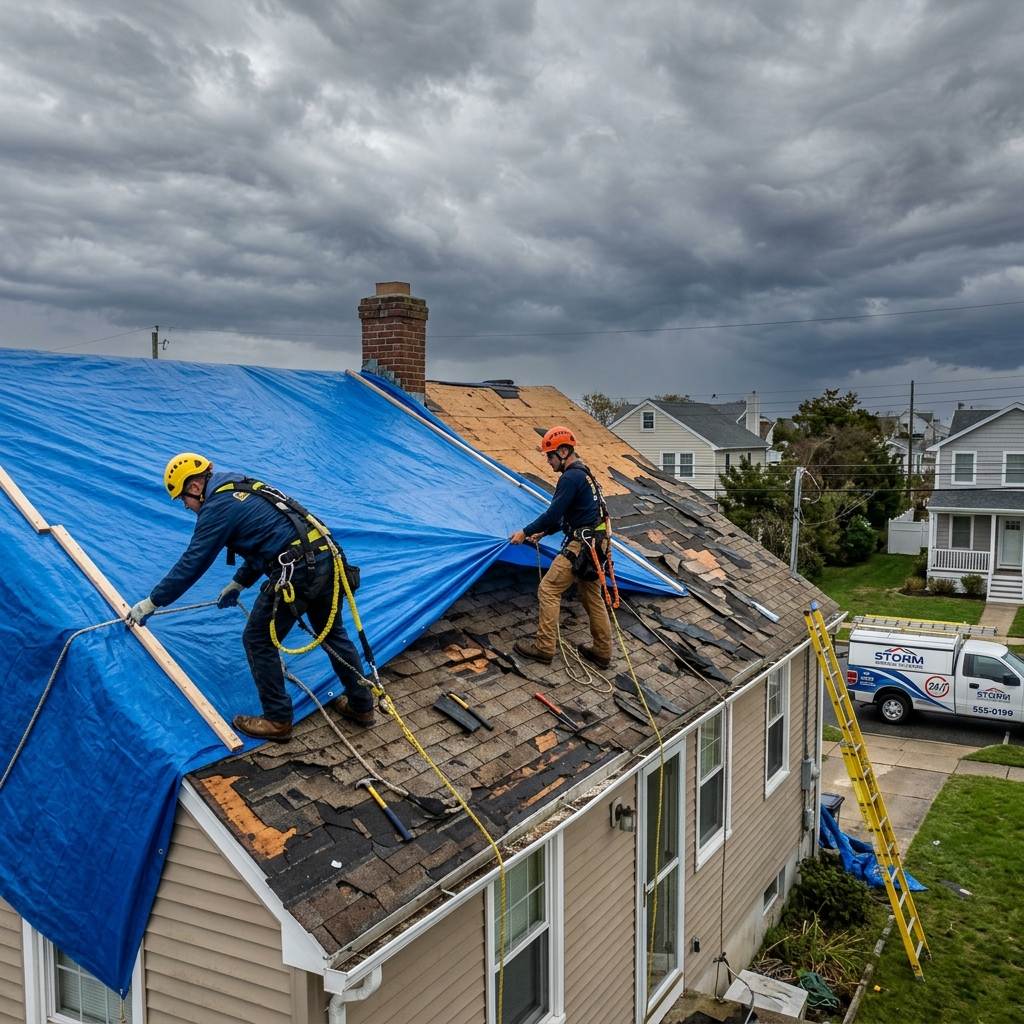
5. Lifted or Missing Metal Flashing
Flashing is the thin metal armor around your chimney, skylights, and valleys. Wind rips it loose. Once that metal bends or tears away, water pours directly into the joints. A targeted roof repair will reseal those critical junctions.
6. Large Amounts of Gutter Granules
Check your gutters. If they look like they are full of black sand, your shingles took a beating. Those granules protect the asphalt from Florida's brutal UV rays. Without them, the shingle bakes and cracks. Seeing heavy granule loss means you should schedule a roof repair inspection immediately.
7. Post-Storm Mold and Musty Odors
Smell something damp and funky? See dark spots on your ceiling? Water is already inside. Mold grows fast in our humid South Florida climate. A prompt roof repair stops the moisture source and protects your family's air quality.
When to Consider a Complete Upgrade
Sometimes, a patch isn't enough. If the storm wrecked multiple slopes, slapping tar on it is a waste of time. When a basic roof repair can't secure the home, investing in a new roof is the smart play. Modern materials are built specifically to handle Florida’s extreme weather.
Check our breakdown on the costs of a new roof to weigh your options. Upgrading to a hurricane-rated system can also score you significant wind mitigation discounts on your insurance.
Request Your Emergency Storm Assessment Today
Don't wait for a drip to become a flood. If your house took a hit, call Diversified Roofing Solutions for a free roof repair estimate. Our seasoned South Florida crew will inspect the damage, throw up temporary tarps if needed, and give you a rock-solid quote for the insurance company.
Learn more about our emergency leak restoration services to get your property secured fast.
[!TIP] Planning a Roof Replacement? Use our interactive Florida Roof Replacement Cost Calculator to get an instant satellite measurement and pricing estimate for your property.
Local Service Areas & Regional Coverage
Diversified Roofing Solutions provides certified residential and commercial roofing services across South Florida and the Treasure Coast, including Palm Beach County, Martin County, Broward County, and St. Lucie County.