
Upgrading your home’s primary protective barrier is a massive financial decision. For South Florida homeowners, calculating the investment required for a new roof is a critical first step. Due to supply chain volatility, shifting labor indices, and ruthless hurricane-compliance building codes, prices have exploded. We provide a complete, no-nonsense breakdown of the factors dictating the cost of a new roof in the current market, helping you budget effectively.
Core Factors Influencing new roof Pricing
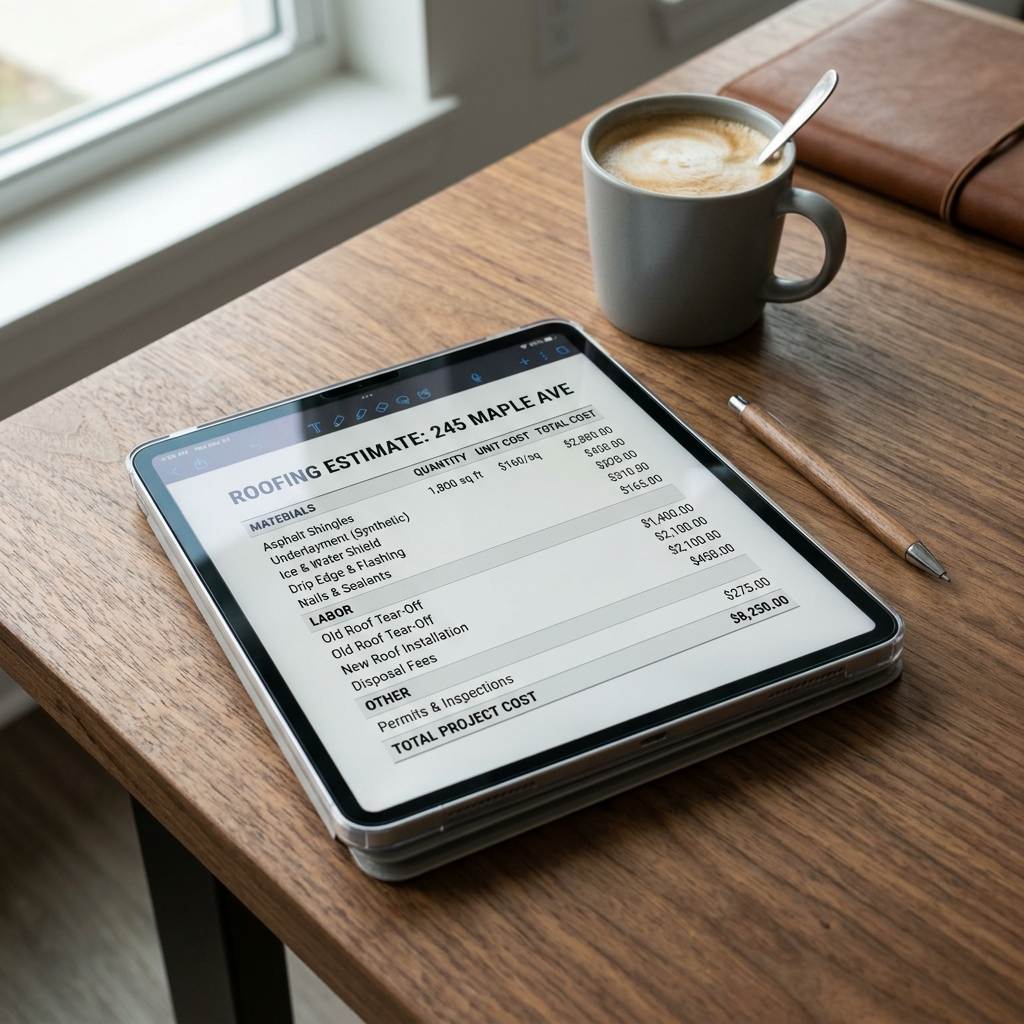
Several distinct variables control the final estimate provided by a contractor. Understand these components to compare quotes fairly:
- Roof Size and Complexity: Roofers measure surfaces in "squares" (one square equals 100 square feet). Your property's size is the ultimate driver of new roof estimates. Steep pitches, multiple valleys, chimneys, and dormers send labor costs skyrocketing.
- Tear-Off vs. Overlay: Tearing off the old shingles down to the bare wood deck and replacing damaged plywood sheets is expensive. Overlaying is cheaper, but it is rarely recommended and often outright prohibited by local Florida codes.
- Ventilation and Underlayment: High-quality synthetic underlayment and ridge vent installations protect against wind-driven rain. They add to the upfront cost, but they save you thousands later.
- Geographic Permitting Variables: Municipal permit fees, hauling distances to regional waste facilities, and local inspection regulations vary wildly between Palm Beach, Martin, and Broward counties.
- Gutter and Fascia Upgrades: Inspecting and replacing rotted wood fascia boards or outdated aluminum gutters ensures your new water drainage system integrates perfectly.
Average Costs by Roofing Materials
The material you select dictates your overall budget. Here is a comparison of average costs for a typical 2,500-square-foot home:
Asphalt Shingles
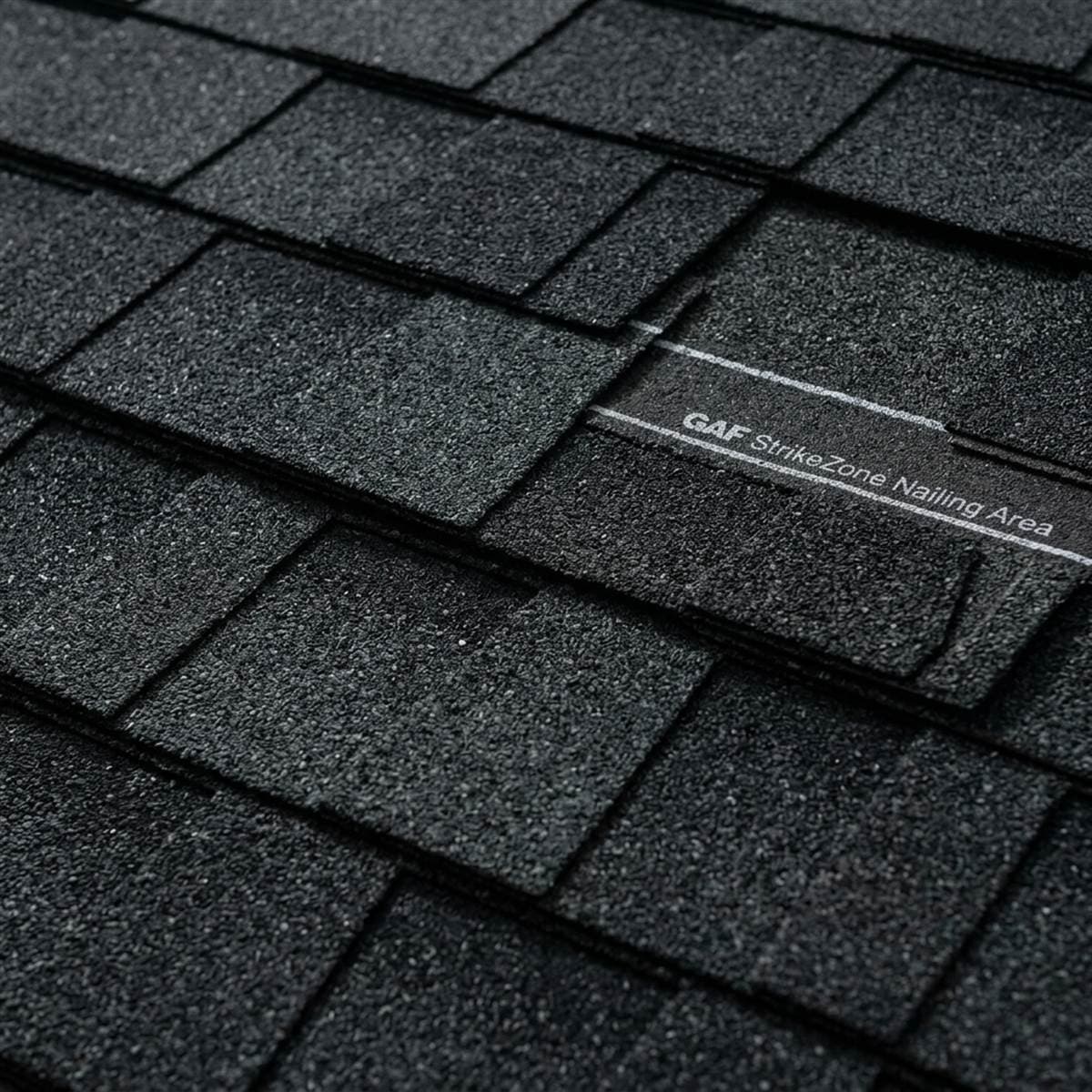
For budget-conscious homeowners, a shingle new roof is the go-to option. Shingle installations range from $8,500 to $14,500. They are affordable, but they have a shorter lifespan of 15 to 20 years. Always demand architectural shingles over basic 3-tab versions. Architectural shingles provide double-layer thickness and massive wind-uplift resistance. Premium brands like GAF deploy advanced algae-resistance technology, stopping dark streaking and maintaining curb appeal.
Standing Seam Metal
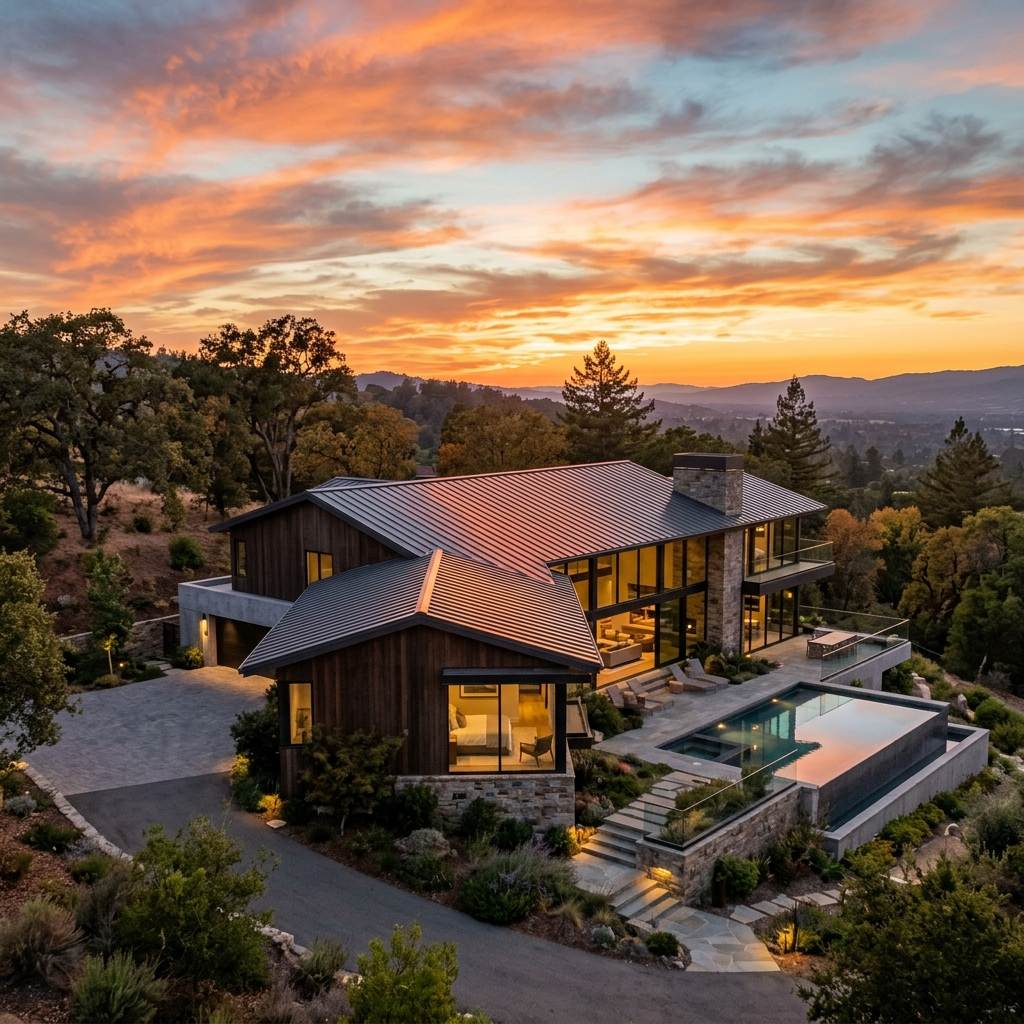
Investing in a metal new roof carries a heavy upfront cost but delivers staggering longevity and energy efficiency. Standing seam metal projects run between $16,000 and $28,000. They last 40 to 60 years. Metal reflects solar heat, crushing your cooling costs. For homes near the coast (east of I-95), demand aluminum standing seam panels over galvalume steel. Aluminum simply does not rust when exposed to salt spray.
Clay and Concrete Tiles
Common in Mediterranean-style homes, the installation of a tile new roof ranges from $18,000 to $40,000. Concrete tiles are incredibly durable and resist winds up to 150 mph. Because tile is brutally heavy, a structural engineer must verify that your rafters can handle the weight load before installation begins.
Hidden Labor and Structural Prep Costs
When reviewing quotes, ensure tear-off and disposal fees are fully included. Removing and hauling away old shingles before building your new roof is standard practice. If the deck sheathing has softened due to long-term hidden leaks, replacing rotted plywood decking adds $75 to $120 per sheet. Water entry along valleys and flashing joints remains invisible until the old shingles are ripped off. Expect some decking replacement during installations.
Additional Fees and Permits for Your new roof
Local building permits and safety fees are non-negotiable components of any major installation. Engineering documents and local building permits add to the total cost of your new roof project, typically ranging from $500 to $1,500 depending on your municipality. A post-installation wind mitigation inspection is absolutely mandatory to certify wind-resistance features for your insurance carrier. Choosing a certified contractor who provides extended workmanship warranties guarantees long-term leak protection.
Choosing Between Repair and a new roof
Is your current roof leaking? You must decide if localized repairs are enough. If leaks are small and isolated, a professional roof repair is the economical solution.
But if your roof is nearing the end of its lifecycle or took widespread storm damage, patching only delays the inevitable. Ready to replace the system? Follow our detailed guide on planning a new roof to organize the project. Pull the trigger on a full roof replacement. Protect your home from future storms and slash your homeowners insurance premiums by qualifying for wind mitigation credits.
Request Your Free Estimator Analysis Today
Ready to calculate the exact cost for your property? Contact Diversified Roofing Solutions today. Request a detailed, transparent quote for your new roof installation. Our certified specialists will inspect your current deck, provide material samples, and build a complete, line-item budget with zero hidden fees. Let us protect your home.
Estimate your budget instantly with our interactive project pricing calculator.
Local Service Areas & Regional Coverage
Diversified Roofing Solutions provides certified residential and commercial roofing services across South Florida and the Treasure Coast, including Palm Beach County, Martin County, Broward County, and St. Lucie County.