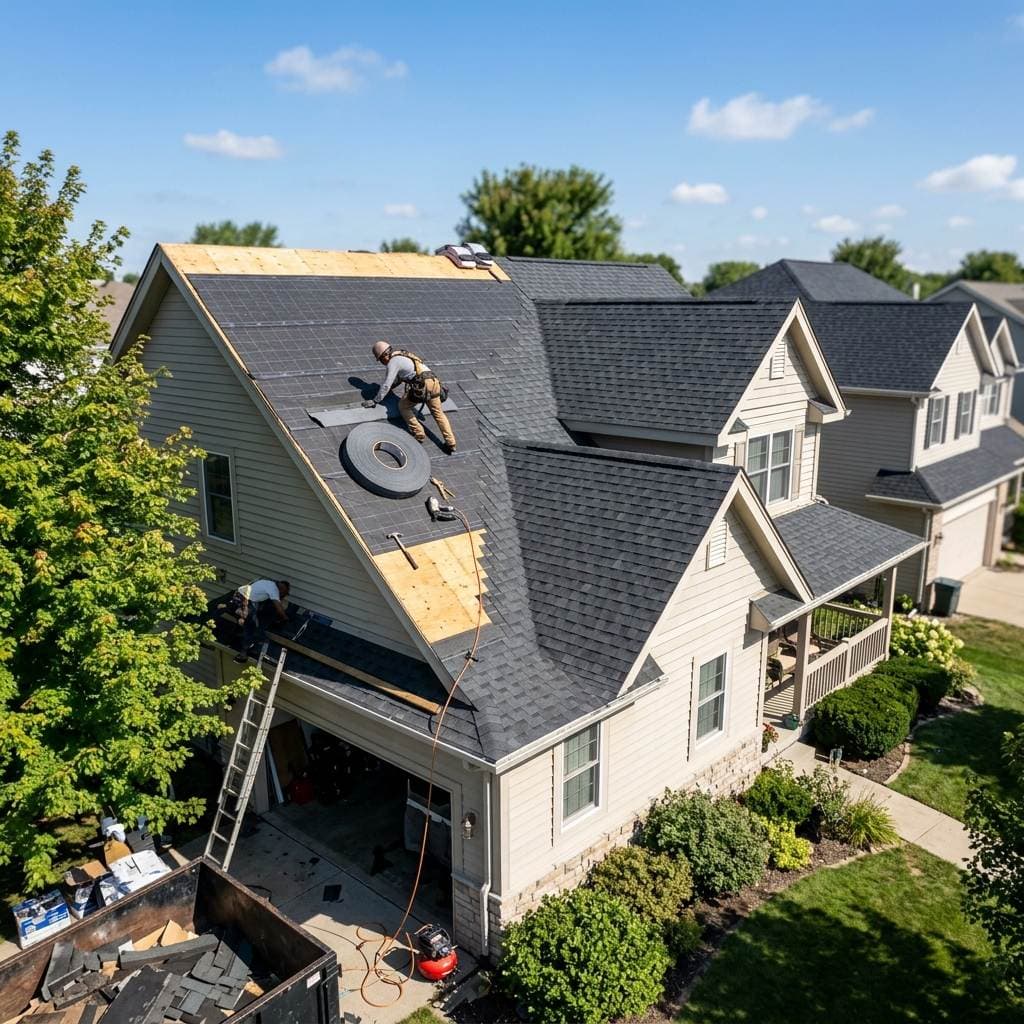
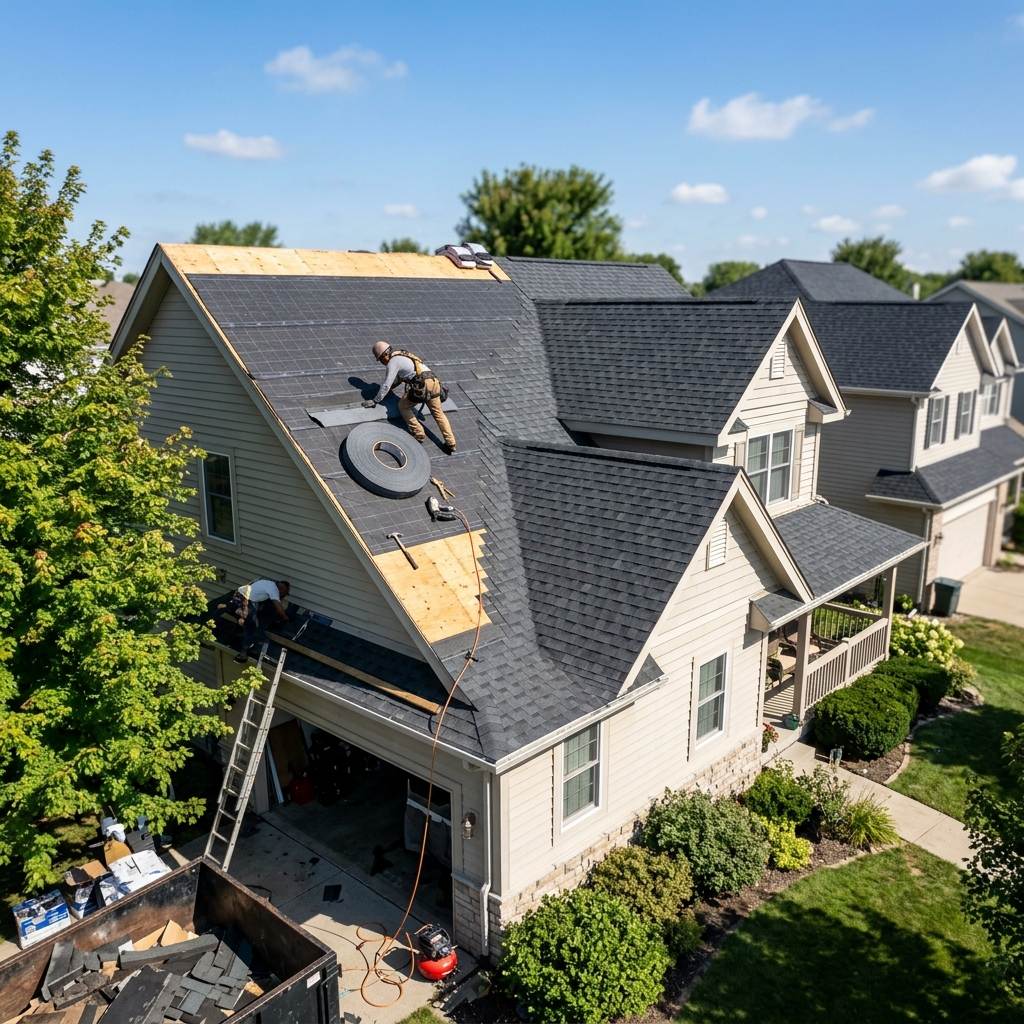
Homeowners in Florida face a brutal environment. Intense UV radiation, massive tropical humidity, and violent seasonal storms constantly assault your property. When your roof develops leaks or starts shedding materials, choosing between a cheap local repair and a complete roof replacement is tough. You have to understand the hard financial returns of a roof replacement versus just slapping on temporary patches. Do it wrong, and you bleed home equity. Patching a leak stops the immediate bleeding, but only a hardcore engineering evaluation will tell you if pulling the trigger on a full upgrade is the smarter long-term play.
When is roof replacement the Best Investment?
A roof has a hard expiration date. Once it nears the end of its lifecycle, maintenance costs explode. If your roof is over 15 years old and keeps springing leaks, chasing multiple repairs will rapidly drain more cash than a single roof replacement. Pull the trigger on replacing the roof when you hit these primary scenarios:
- Widespread Storm Damage: If Category 3 winds stripped shingles across multiple slopes, localized fixes won't save you. The structural integrity is compromised. If you spot the 7 signs of storm damage, a full upgrade is mandatory to secure the building envelope.
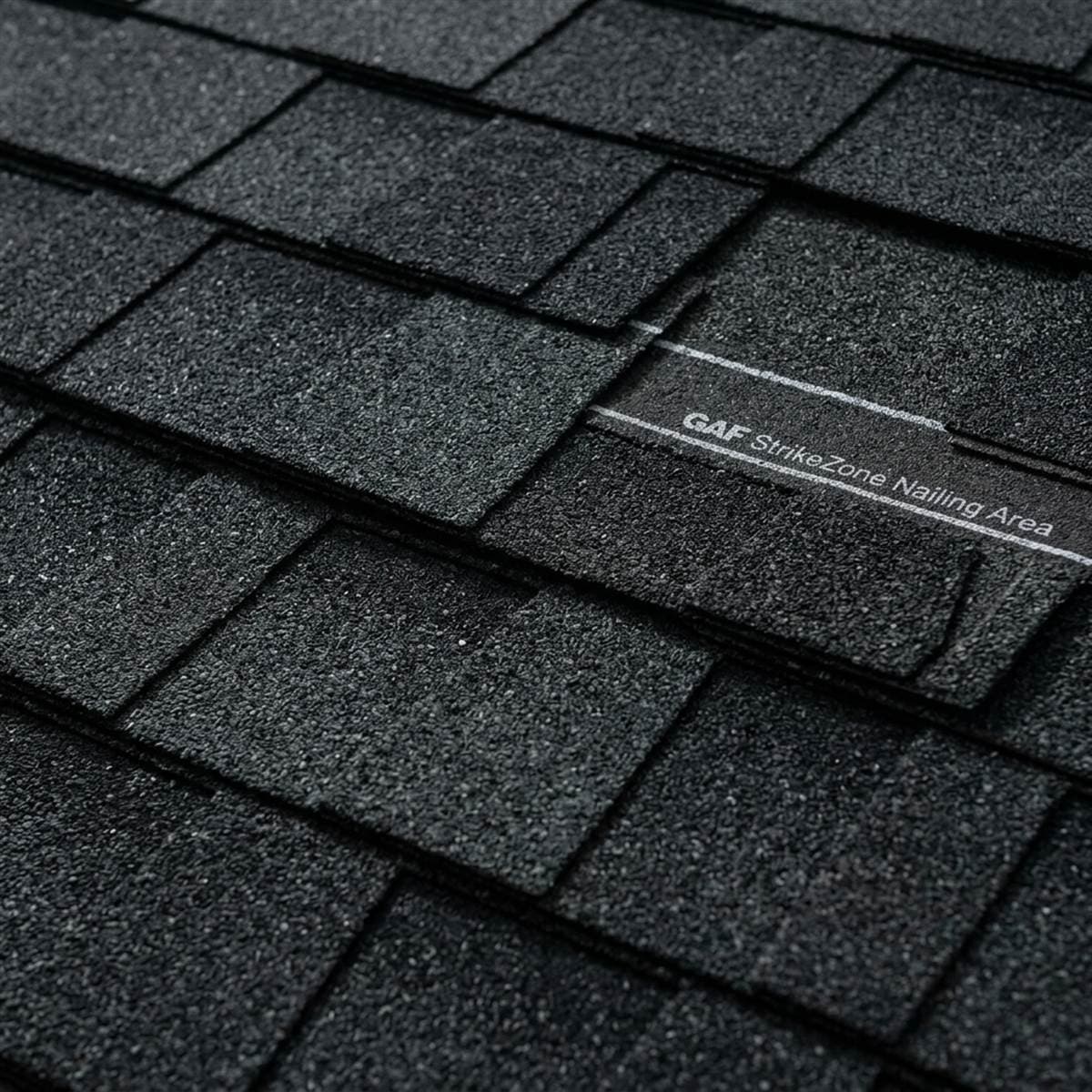
- Aged Materials: Sun-baked asphalt shingles lose their flexibility and shed granules. They turn brittle and crack. If your shingles are severely curling, a roof replacement is your only move to stop the wood decking from rotting out.
- Active Underlayment Rot: Once water breaches the outer shingles, it saturates the felt underlayment and plywood deck. A surface patch is useless. You need a complete roof replacement to rip out the rotted wood and kill the mold growing in your attic.
Going for the upgrade also lets you pivot to advanced materials. Upgrade to standing seam metal panels or heavy impact-resistant concrete tiles. These modern systems are engineered to shrug off Category 4 hurricanes, delivering aggressive durability that basic builder-grade shingles just can't match.
When Does a Simple Repair Make More Sense?
If your roofing system is young—less than 10 years old—and took isolated, localized damage, a full roof replacement is overkill. Don't waste your money. In these cases, targeted repairs are highly cost-effective. Replacing a handful of torn shingles, re-sealing a leaky valley, or ripping out damaged flashing around a chimney can safely buy your roof several more years of life.
Always select localized repairs if the underlying plywood decking remains solid, dry, and free of rot. Minor repairs typically range from $300 to $1,500. It is a smart, affordable move. But if the leaks are widespread, or if the original crew botched the installation, patches are just putting a band-aid on a bullet wound. If you are stuck debating between a patch or a full tear-off, use our guide to planning a new roof to evaluate your system's actual health.
Financial Return on Investment (ROI) of a roof replacement
The biggest advantage of a roof replacement is the massive, instant spike in your home equity. Planning to sell? A brand-new roof is your strongest selling point. Buyers run from homes needing a major roof replacement, and they will demand savage price reductions if the roof is old.
Recent remodeling cost analyses prove it: homeowners who execute a roof replacement see up to a 60% return on investment at closing. Plus, a new system crushes your energy bills. Modern reflective underlayments and aggressive ridge ventilation systems stop the heat from baking your attic. Your air conditioning doesn't have to work as hard. A cool roof defends your home and keeps cash in your pocket during the brutal summer months.
Insurance Considerations and Wind Mitigation
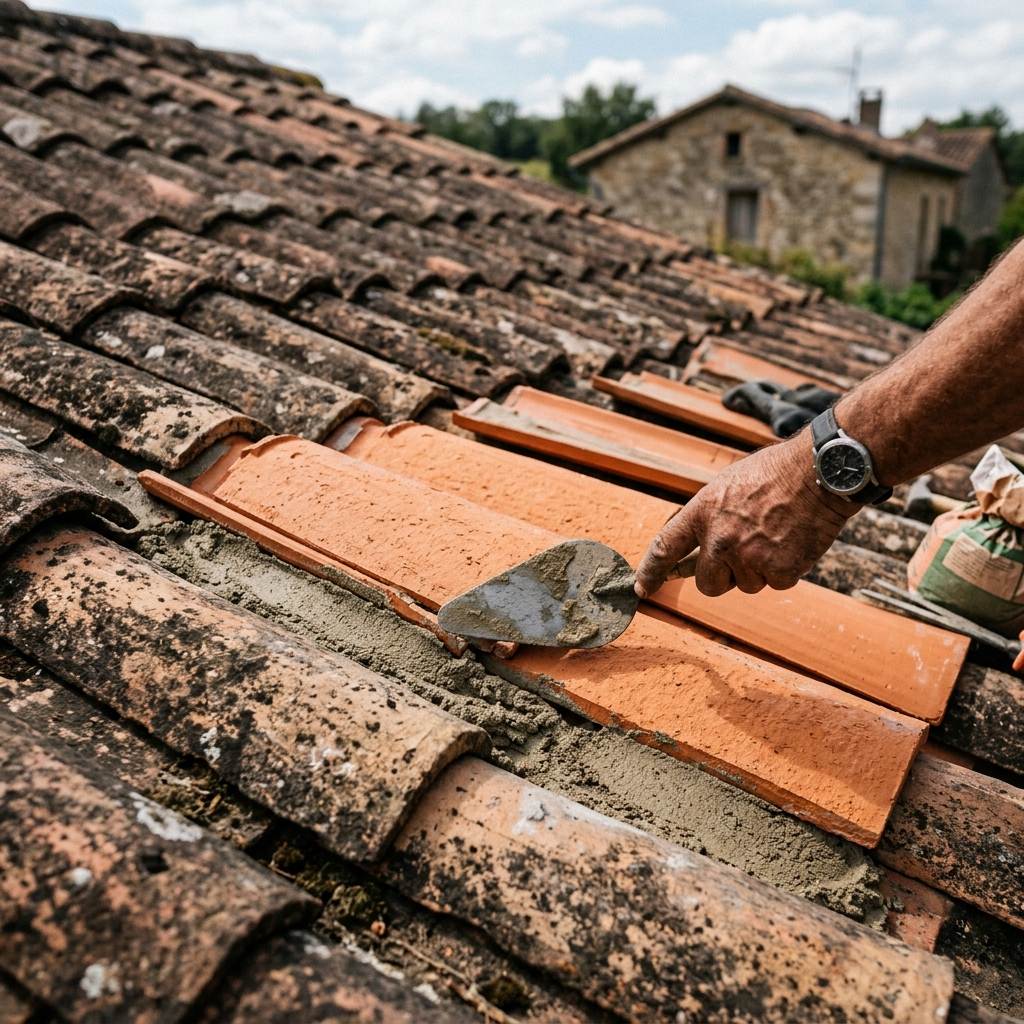
In Florida, your home insurance policy is handcuffed to the age and condition of your roof. Insurance carriers have no mercy. They will threaten to drop your coverage or jack up your premiums if your asphalt shingles pass 15 years, or if your tile roof hits 20 years. They don't care if it isn't leaking.
Furthermore, the state building codes for wind resistance are stricter than ever. Execute a roof replacement, and you install hardcore, code-compliant materials that qualify for heavy wind mitigation credits. Call a certified inspector. They verify your roof's wind resistance—checking the aggressive decking nail patterns and secondary water barriers. These credits can slash your annual homeowners insurance premiums by up to 30%, rapidly paying off the initial installation cost. Before you sign a contract, review the breakdown of new roof cost factors. Calculate your true ROI and lock down local labor prices.
Protect Your Investment Today
Choosing between fixing leaks and ripping off your roof demands professional insight. A quick patch buys time, but a full roof replacement armors your home against Florida's violent storms and crushes your insurance premiums.
Call Diversified Roofing Solutions today to find out if a roof replacement is the smart play for your property. Our certified roofing specialists will walk the deck, break down your options, and engineer a durable system built for maximum storm protection. Let us lock down your home.
Compare long-term options and estimate costs with our interactive project cost calculator.
Local Service Areas & Regional Coverage
Diversified Roofing Solutions provides certified residential and commercial roofing services across South Florida and the Treasure Coast, including Palm Beach County, Martin County, Broward County, and St. Lucie County.